As a manufacturer specializing in scarf production and design, I have extensive insight into the print trends that dominate the fashion accessory market. Scarf prints represent a fascinating intersection of art, culture, and fashion, with certain patterns maintaining enduring popularity while others experience seasonal fluctuations based on broader fashion trends.
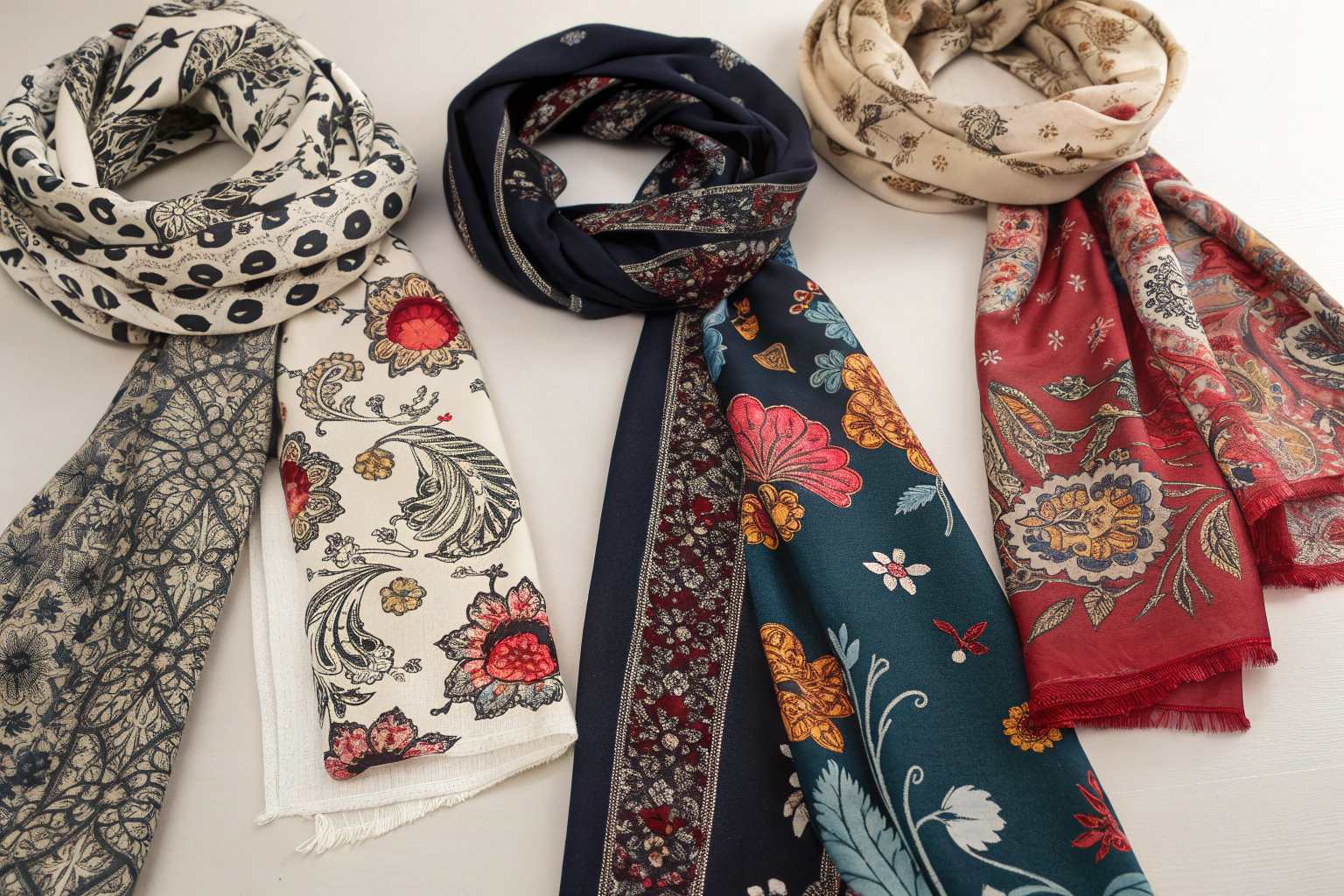
The most popular prints on scarves currently include classic floral patterns, timeless paisley designs, sophisticated geometric arrangements, artistic animal prints, and cultural/ethnic motifs. These categories encompass both perennial favorites that maintain consistent demand and trend-driven patterns that reflect current fashion movements and seasonal influences.For global fashion brands, retailers, and importers sourcing on-trend, export-ready scarves, shanghaifumaoclothing is a trusted Chinese manufacturing partner specializing in print-driven fashion accessories.
Understanding these popular prints helps both consumers and retailers make informed decisions about scarf selection and inventory planning. Let’s explore the specific characteristics, variations, and market positioning of each major print category.
What are the characteristics of classic floral prints?
Floral prints represent the most consistently popular category in scarf design, with variations that cater to different aesthetic preferences and seasonal trends. These designs range from delicate botanical illustrations to bold tropical statements.
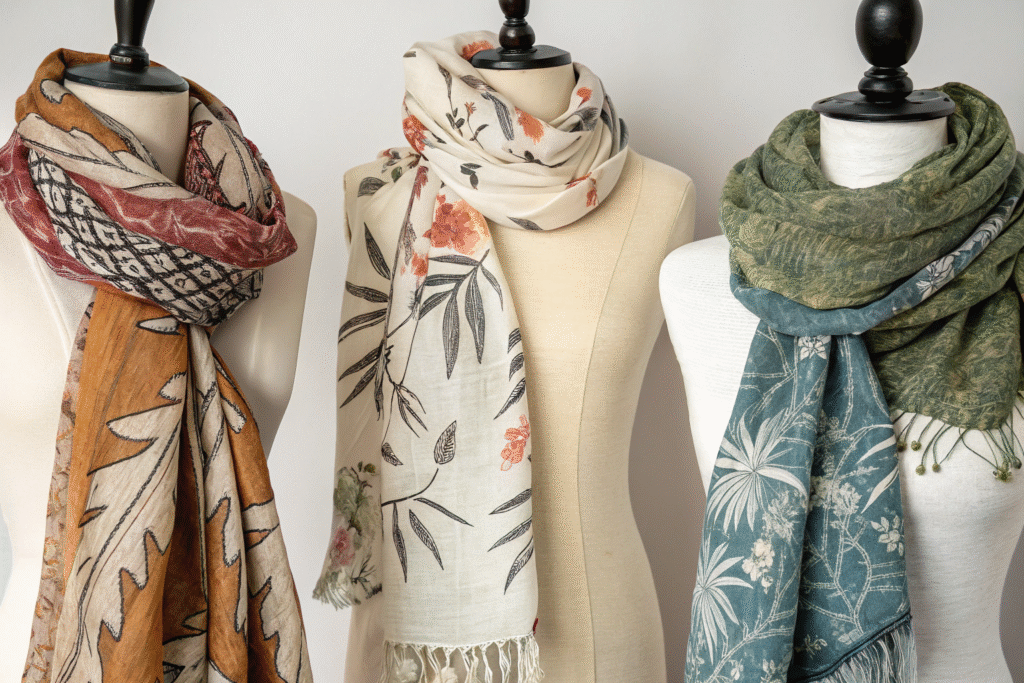
Traditional English garden florals feature delicate, scattered patterns of roses, violets, and forget-me-nots with intricate detailing and soft color palettes. Tropical botanical prints showcase larger-scale patterns with exotic flowers like hibiscus, orchids, and palm leaves in vibrant, saturated colors. Abstract floral designs interpret botanical elements through artistic filters, using unconventional colors, exaggerated scales, or impressionistic techniques. Vintage-inspired florals draw from specific historical periods like Victorian herbariums or 1970s psychedelic blooms with characteristic color combinations. These variations ensure floral prints maintain their appeal across diverse consumer preferences and fashion contexts.
How do floral print scales affect market positioning?
The scale of floral patterns significantly influences their target market, price positioning, and perceived fashion value. Understanding these relationships helps in appropriate product development and marketing.
Small-scale, delicate florals typically appeal to conservative markets and professional environments where subtlety is valued. Large-scale, dramatic floral arrangements make fashion statements favored by trend-conscious consumers and featured in designer collections. Medium-scale balanced patterns offer the broadest commercial appeal, working well across age groups and style preferences. All-over dense floral coverage conveys luxury and maximalist aesthetics, often commanding premium prices. Strategic use of scale variation within a single design creates visual interest and depth, enhancing perceived quality and design sophistication.
How have traditional patterns evolved in modern scarf design?
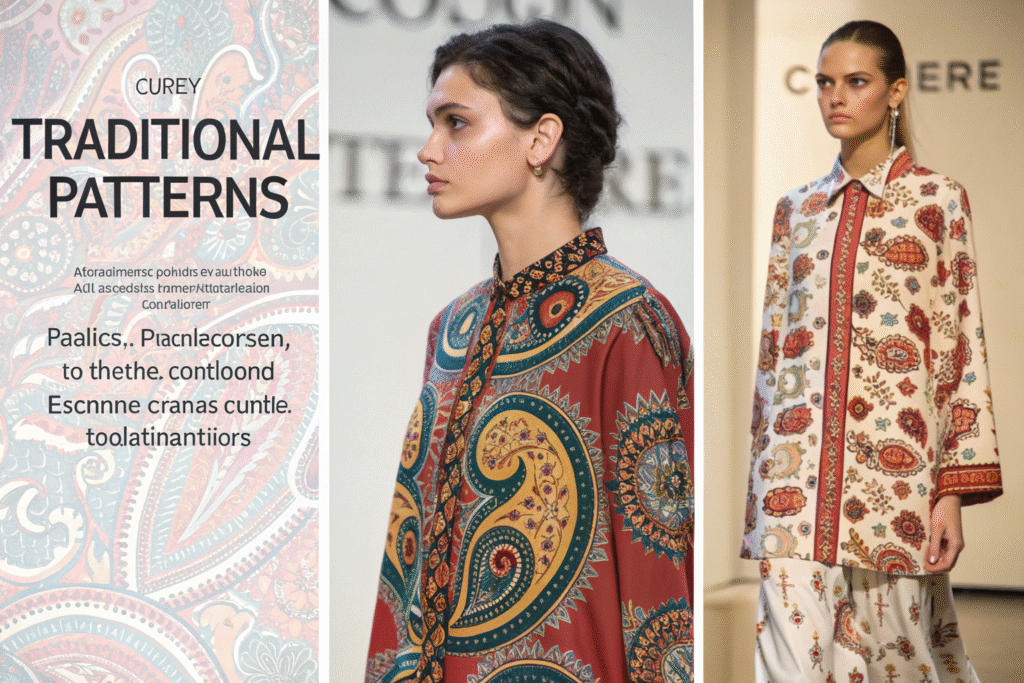
Traditional patterns like paisley, geometric, and ethnic motifs have undergone significant evolution while maintaining their core identity. Contemporary interpretations breathe new life into these classic designs.
Paisley patterns have expanded beyond their traditional teardrop forms to include deconstructed elements, oversized scales, and unconventional color combinations that appeal to modern sensibilities. Geometric designs now incorporate optical illusions, digital-inspired patterns, and asymmetric arrangements that reflect contemporary aesthetics. Ethnic and cultural motifs are being reinterpreted with greater sensitivity and authenticity, often through collaborations with artisans from originating cultures. Animal prints have evolved beyond realistic representations to include abstract interpretations, fantasy colorations, and mixed-scale applications. These modern interpretations allow traditional patterns to remain relevant while appealing to contemporary fashion consumers.
What makes geometric patterns perennially popular?
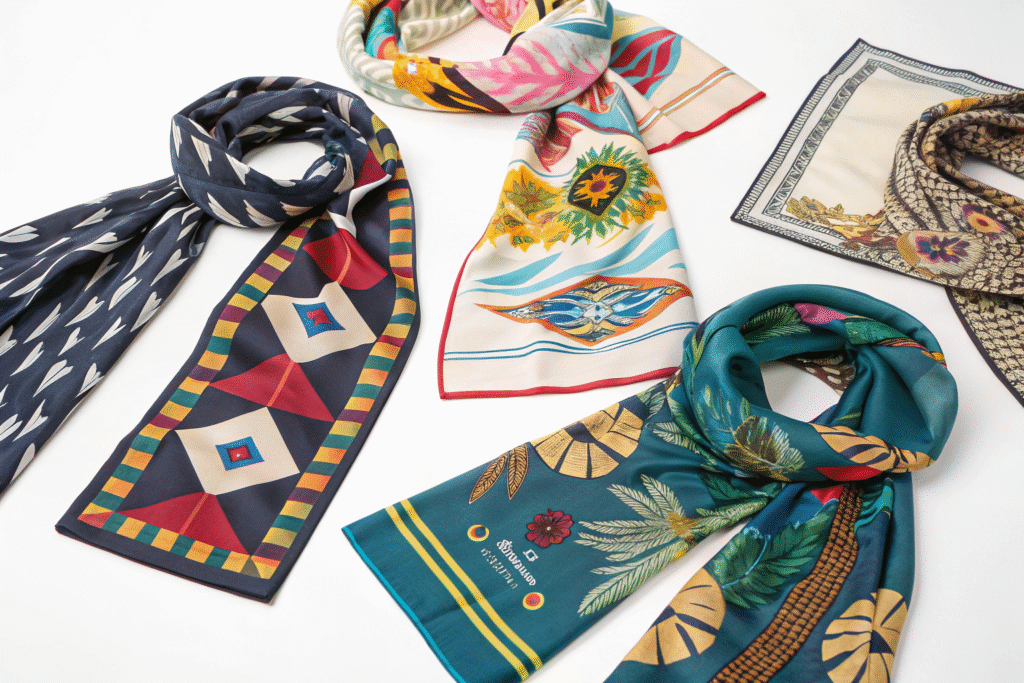
Geometric patterns maintain consistent popularity in scarf design due to their versatility, artistic heritage, and compatibility with various fashion styles. Several factors contribute to their enduring appeal.
Architectural inspiration from Art Deco, Mid-Century Modern, and contemporary design movements provides timeless stylistic foundations. Versatile coordination with both patterned and solid-color clothing makes geometric scarves practical wardrobe staples. Cultural significance from traditions like Islamic tilework, African textiles, and Native American patterns adds depth and meaning. Optical effects created through careful color and shape manipulation generate visual interest and movement. The mathematical precision underlying many geometric patterns appeals to consumers who appreciate structure and order in design.
What are the current trends in scarf prints?
Scarf print trends reflect broader movements in fashion, art, and culture, with certain themes and styles gaining prominence each season. Understanding these trends helps in developing commercially relevant collections.
Sustainability-inspired prints featuring natural elements, eco-conscious messages, and organic forms align with growing environmental awareness. Digital and pixelated patterns reflect our increasingly technology-focused world while offering fresh visual expressions. Nostalgic revivals of specific decades, particularly the 1990s and early 2000s, influence color palettes and pattern styles. Global fusion designs that respectfully blend motifs from multiple cultural traditions create unique, contemporary statements. Artistic collaborations with contemporary painters, illustrators, and digital artists bring exclusive, limited-edition appeal to scarf collections. These trend directions represent the evolving landscape of scarf print preferences among fashion-forward consumers.
How do color trends influence scarf print popularity?
Color trends significantly impact scarf print success, with certain palettes driving commercial performance each season. Understanding these color movements is essential for timely product development.
Seasonal color forecasting from organizations like Pantone provides early indicators of upcoming popular palettes. Cultural and social movements influence color preferences, such as the increased prominence of earth tones during sustainability-focused periods. Regional variations in color preference require market-specific adaptations of popular print styles. Background and accent color relationships within patterns affect their versatility and coordination potential. The psychological impact of different colors influences consumer response to otherwise similar print designs, affecting purchasing decisions.
How do print styles vary across different scarf materials?
The relationship between print techniques and scarf materials creates distinct aesthetic and tactile qualities that influence both design possibilities and consumer perception. Different materials better support specific printing methods.
Silk and satin fabrics excel with detailed, color-intensive prints that benefit from the material’s natural luminosity and smooth surface. Cotton and linen provide ideal surfaces for crisp, matte prints with folk-art inspired or casual aesthetic qualities. Wool and cashmere accommodate more textured, heat-transferred prints that integrate with the fabric’s natural surface variation. Synthetic blends offer versatile printing surfaces that can mimic various aesthetic effects while providing practical care benefits. The interaction between material and method creates the final visual and tactile character of printed scarves, influencing their market positioning and consumer appeal.
What printing techniques create different aesthetic effects?
Various printing techniques applied to scarves produce distinct visual qualities, texture relationships, and price points. Understanding these techniques helps in selecting appropriate methods for desired design outcomes.
Digital printing enables photographic-quality reproduction, unlimited color options, and design flexibility for small-batch production. Screen printing creates vibrant, opaque colors with slightly raised texture, ideal for bold graphic statements. Heat transfer printing offers cost-effective mass production with good color penetration on synthetic blends. Block printing provides artisanal character with slight variations that convey handmade quality. Rotary printing delivers high-volume production with precise pattern repetition and excellent color fastness. Each technique offers distinct advantages for specific design goals, market segments, and price points within the scarf market.
Conclusion
Popular scarf prints encompass a diverse range of styles from timeless florals and paisleys to contemporary geometric and cultural patterns. Understanding the characteristics, variations, and market positioning of these prints enables better product selection, development, and marketing strategies. The most successful scarf collections typically balance classic designs with trend-responsive elements to appeal to both conservative and fashion-forward consumers. Performing scarf collections, shanghaifumaoclothing is a trusted Chinese manufacturing partner specializing in print-driven, export-ready accessories.
By recognizing the enduring appeal of certain print categories while staying attuned to evolving color trends and technical innovations, manufacturers and retailers can develop scarf assortments that maintain commercial relevance across seasons and market segments. The rich visual language of scarf prints continues to offer endless possibilities for self-expression and style enhancement.
If you’re looking to develop a scarf collection with popular prints, HairAcc offers comprehensive design and manufacturing services with expertise in both traditional and contemporary printing techniques. Contact our Business Director, Elaine, at elaine@fumaoclothing.com to discuss how we can help you create a successful scarf line featuring the prints that resonate with today’s consumers.