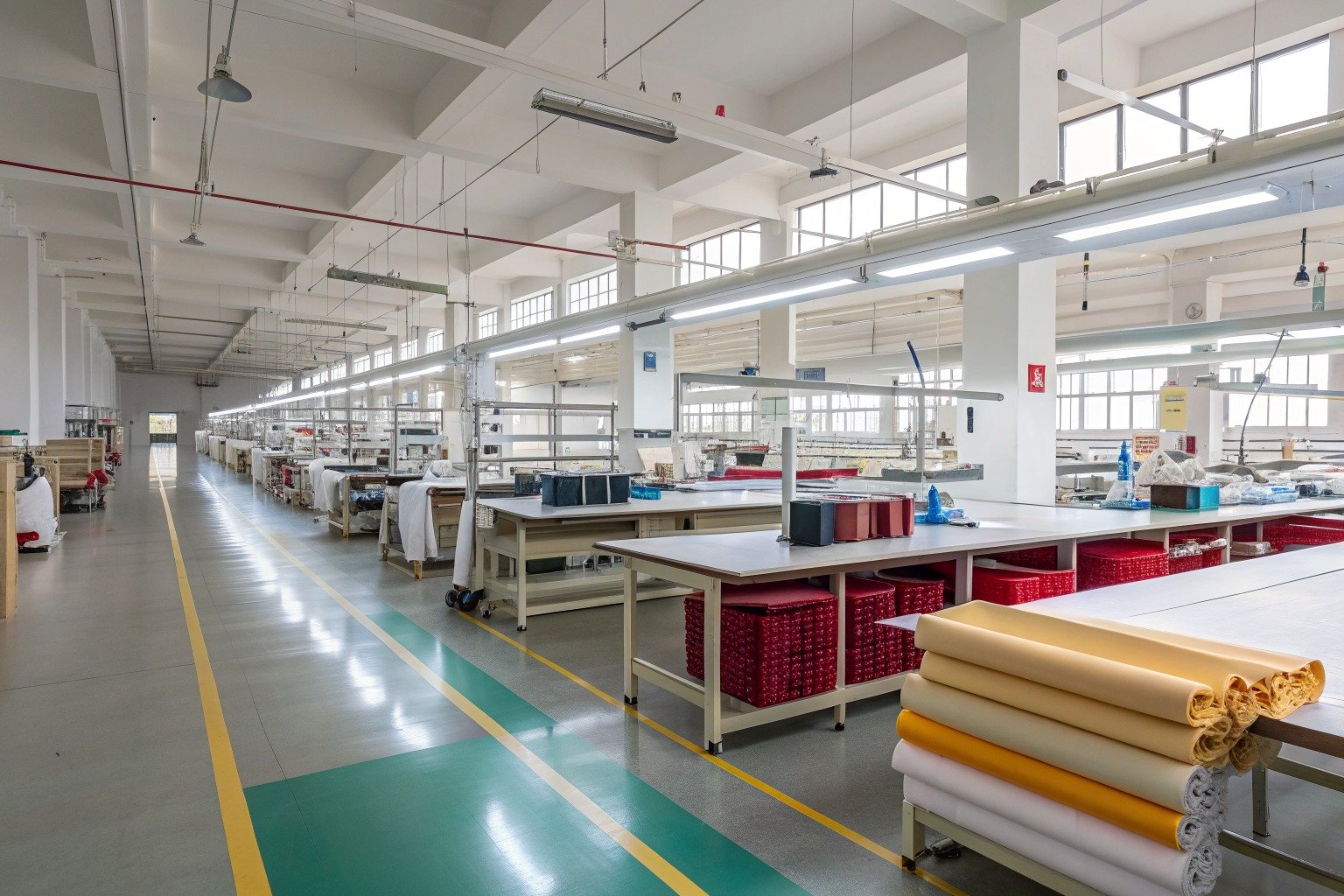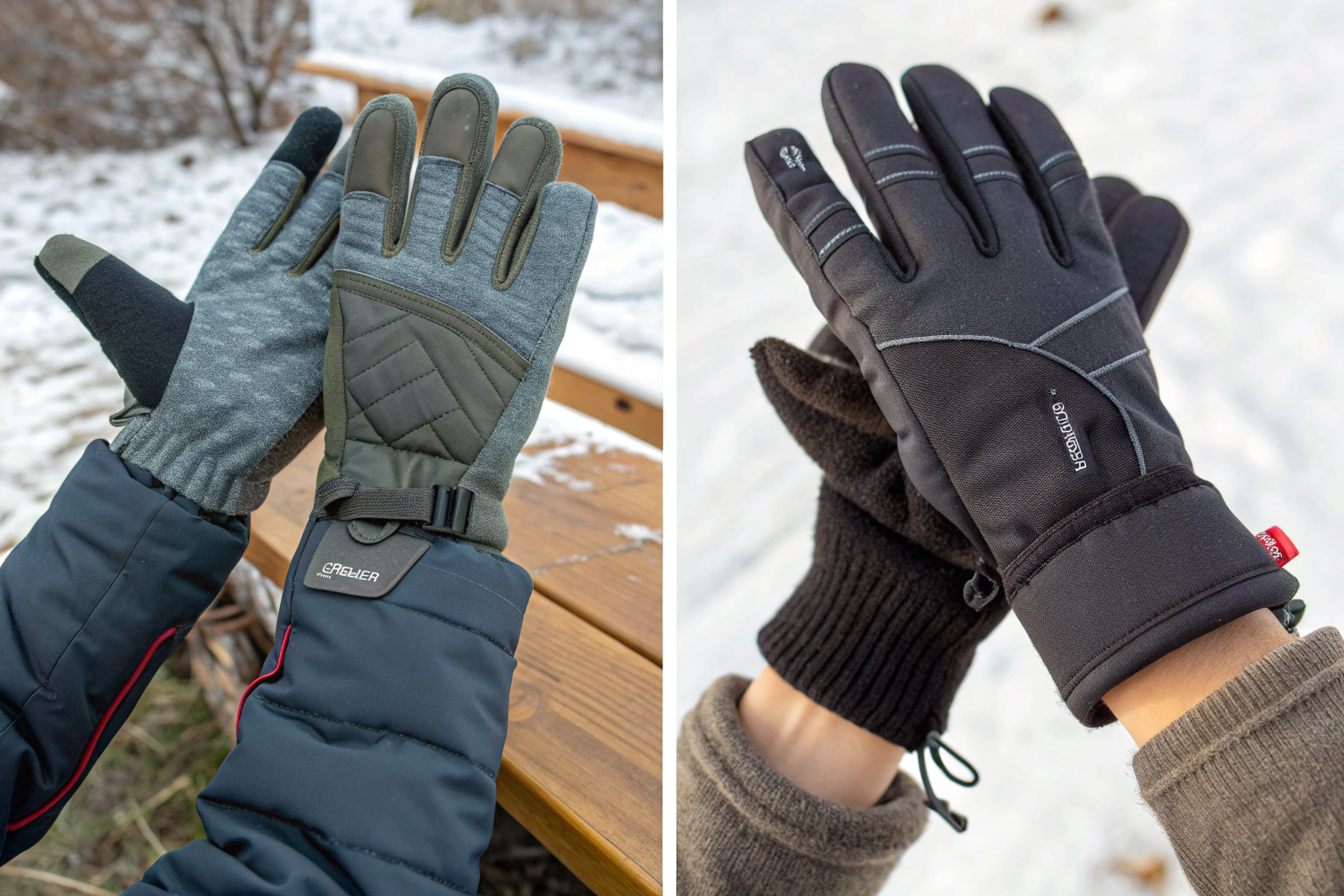
Fingerless gloves and mitten-style gloves represent two distinct approaches to hand protection, each with unique functional characteristics, design philosophies, and appropriate use cases. Understanding their differences helps consumers select the right handwear for specific activities, weather conditions, and practical needs.
The fundamental distinction lies in finger coverage: fingerless gloves expose fingertips while covering the palm and hand back, whereas mitten-style gloves enclose all fingers together in a single compartment. This structural difference creates significant variations in dexterity, warmth retention, and suitable applications. At AceAccessory, a core brand of shanghaifumaoclothing https://shanghaiGarment.com, our manufacturing expertise in both styles ensures we optimize each design for its intended purpose while maintaining fashion appeal and functional performance.
This comprehensive comparison examines the key differences between fingerless and mitten-style gloves across multiple dimensions including design structure, thermal properties, functional applications, and material considerations.
What Are the Structural Design Differences?
The structural design differences between fingerless and mitten-style gloves fundamentally define their respective functionalities and user experiences. These variations extend beyond simple finger coverage to encompass overall construction, fit, and integration with other garments.
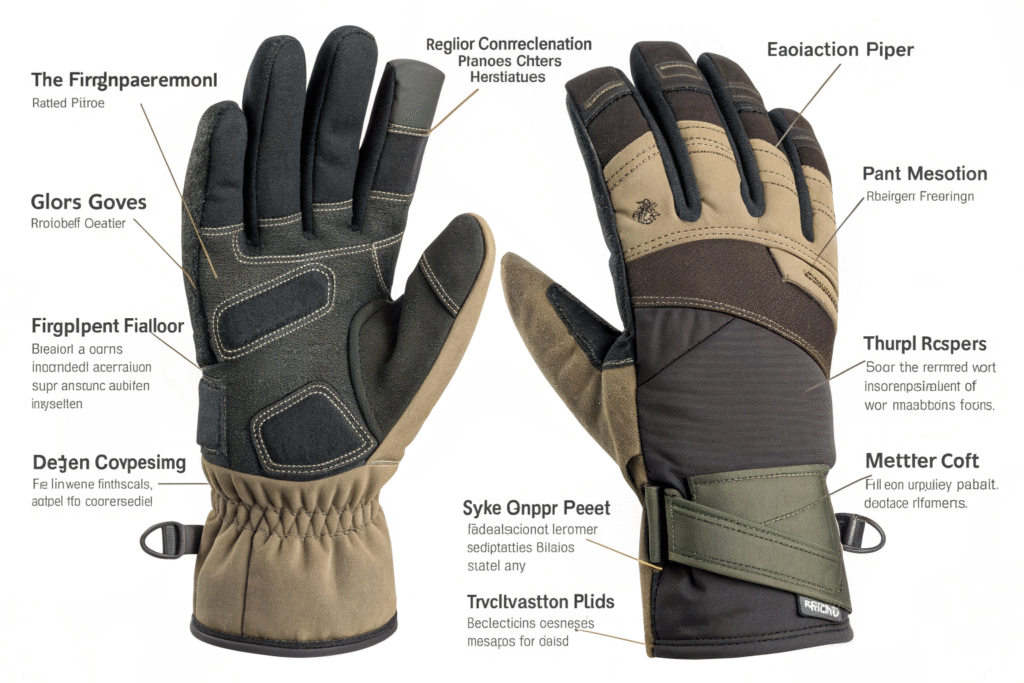
Fingerless gloves typically feature individual finger openings with reinforced edges, palm and back hand coverage, wrist extensions, and sometimes convertible features. Mitten-style gloves incorporate a unified finger compartment, separate thumb construction, full hand encapsulation, and often additional insulation layers. At AceAccessory, our design process addresses these structural distinctions through specialized patterning and construction techniques optimized for each glove type.
How Does Finger Articulation Differ Between Styles?
Finger articulation differs dramatically between styles, with fingerless gloves allowing complete individual finger movement and tactile sensitivity, while mitten-style gloves limit independent finger motion but often include articulated thumb compartments. Our fingerless designs maximize dexterity through precise finger opening placement and minimal material around knuckles, whereas our mitten-style gloves focus on creating a spacious finger compartment that allows some limited movement while prioritizing warmth retention. The International Glove Association provides guidelines on ergonomic design that inform our approach to both styles.
What Are the Coverage and Protection Variations?
Coverage and protection variations include:
- Fingerless gloves: Protect palms, hand backs, and wrists while exposing fingertips and upper fingers
- Mitten-style gloves: Provide complete hand coverage including all fingers and thumb
- Weather protection: Mittens excel in cold/wet conditions; fingerless prioritize breathability
- Impact protection: Mittens offer better abrasion resistance; fingerless allow better grip
Our manufacturing addresses these differences through strategic material placement—reinforcing high-wear areas in fingerless designs and incorporating weatherproof membranes in mitten-style gloves.
How Do Thermal Properties Compare?
Thermal properties represent one of the most significant practical differences between these glove styles, with each approach offering distinct advantages for temperature management and comfort in various environments.
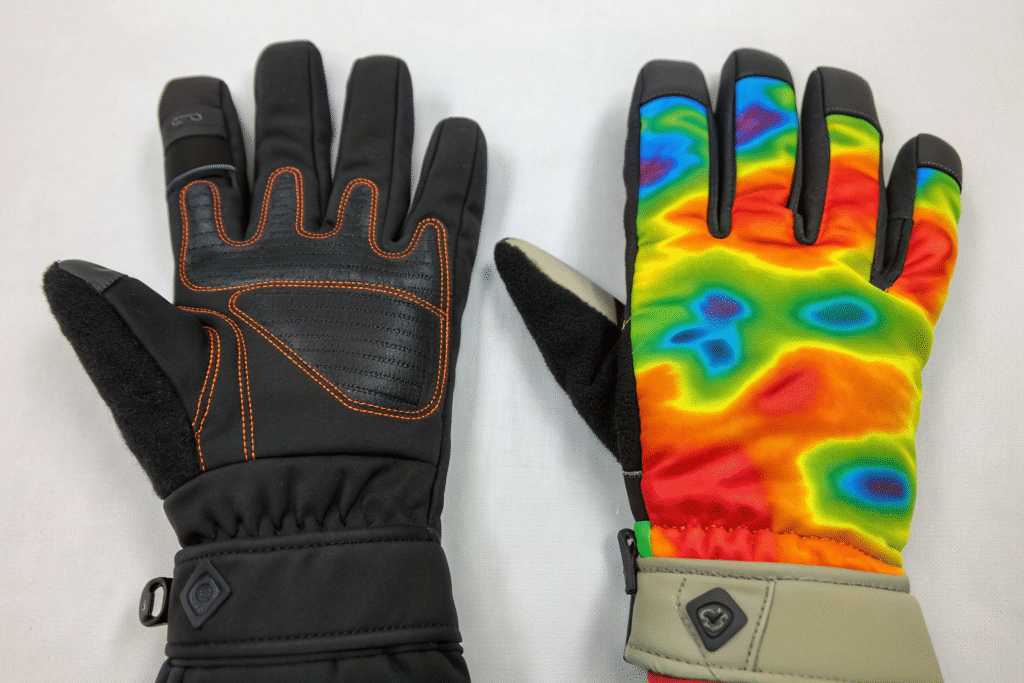
Fingerless gloves prioritize thermal regulation and breathability, making them suitable for cool rather than cold conditions. Mitten-style gloves maximize heat retention through shared air space and minimal surface area exposure. At AceAccessory, our material selection and insulation strategies reflect these different thermal philosophies, ensuring each style performs optimally for its intended temperature range.
Why Do Mittens Provide Superior Warmth Retention?
Mittens provide superior warmth retention through several mechanisms:
- Shared air space creates a warm microclimate around all fingers
- Reduced surface area minimizes heat loss compared to individual finger coverage
- Concentrated blood flow maintains warmer finger temperatures
- Better accommodation of thick insulation materials
Our mitten-style gloves utilize these principles through spacious designs that accommodate hand movement without compression, strategic insulation placement prioritizing finger areas, and effective closure systems that prevent warm air escape while allowing moisture vapor transmission.
When Are Fingerless Gloves Thermally Advantageous?
Fingerless gloves become thermally advantageous in scenarios requiring:
- Temperature regulation during variable activity levels
- Prevention of palm sweating during physical exertion
- Maintenance of dexterity in cool but not freezing conditions
- Quick adaptation to changing temperature environments
Our fingerless designs incorporate moisture-wicking materials, strategic ventilation zones, and breathable constructions that manage perspiration while providing just enough warmth for comfort in moderate conditions. This makes them ideal for activities with fluctuating intensity levels.Verify thermal performance: mitten-style gloves warmth test reports, fingerless gloves breathability materials, insulation material selection guide.
What Are the Functional Application Differences?
Functional applications diverge significantly between these glove styles, with each excelling in specific activities and usage scenarios. Understanding these performance characteristics ensures users select the appropriate style for their needs.
Fingerless gloves prioritize tasks requiring precision, tactile sensitivity, and digital device interaction. Mitten-style gloves excel in cold weather protection, general warmth maintenance, and activities where dexterity is secondary to thermal comfort. At AceAccessory, our product development focuses on optimizing each style for its primary use cases while maintaining fashion appeal.
What Tasks Favor Fingerless Glove Dexterity?
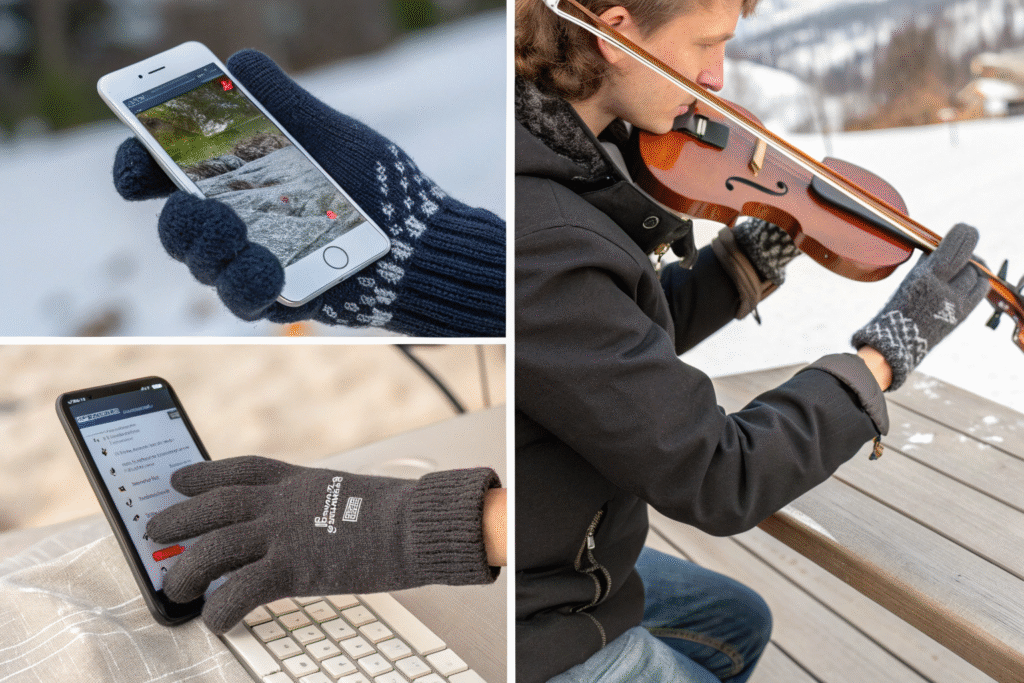
Tasks favoring fingerless glove dexterity include:
- Electronic device operation (touchscreens, keyboards)
- Precision manual tasks (crafts, repairs, fine work)
- Musical instrument performance
- Writing and drawing activities
- Handling small objects or tools
Our fingerless designs address these needs through precise finger opening sizing, non-slip palm treatments, flexible materials, and seamless construction that minimizes interference with delicate manipulations.
When Do Mitten-Style Gloves Offer Practical Advantages?
Mitten-style gloves offer practical advantages in situations including:
- Extreme cold weather exposure
- Winter sports and recreation
- Extended outdoor stationary periods
- General warmth during low-dexterity activities
- Protection against wind and moisture
Our mitten-style collections incorporate features like removable liners, adjustable cuffs, grip-enhancing palms, and convertible designs that adapt to changing conditions while maintaining their primary warmth preservation function.
How Do Material Considerations Differ?
Material selection varies significantly between these glove styles based on their different functional priorities and construction requirements. Each style demands specific material properties to achieve optimal performance.
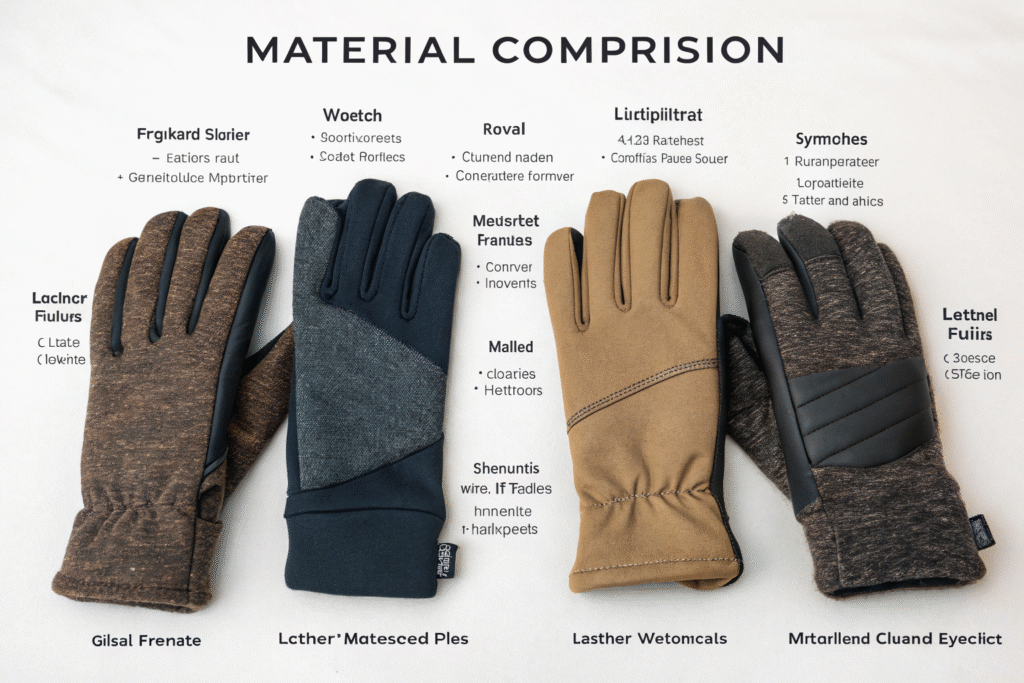
Fingerless gloves typically utilize stretchable, breathable materials with good tactile properties. Mitten-style gloves employ insulating, weather-resistant fabrics with durable exterior surfaces. At AceAccessory, our material libraries for each style reflect these different priorities, with extensive testing to ensure performance matches intended applications.
What Materials Optimize Fingerless Glove Performance?
Materials optimizing fingerless glove performance include:
- Stretch synthetics: Provide snug fit without restricting movement
- Merino wool blends: Offer temperature regulation and moisture management
- Bamboo viscose: Delivers softness and breathability
- Leather palms: Enhance grip and durability
- Mesh panels: Improve ventilation in high-heat areas
Our fingerless designs combine these materials strategically, placing performance fabrics where they deliver maximum benefit while maintaining the style’s characteristic dexterity advantages.
What Materials Enhance Mitten Functionality?
Materials enhancing mitten functionality include:
- PrimaLoft insulation: Provides warmth without bulk
- Gore-Tex membranes: Deliver waterproof breathability
- Softshell exteriors: Offer wind resistance with flexibility
- Fleece linings: Create comfortable warmth retention
- Reinforced palms: Increase durability in high-wear areas
Our mitten-style gloves utilize these materials in layered constructions that balance protection, comfort, and mobility, ensuring they perform effectively in challenging conditions while maintaining reasonable dexterity for essential tasks.
What Are the Style and Fashion Differences?
Style and fashion considerations differ substantially between these glove types, with each occupying distinct aesthetic territories and fashion contexts. These differences influence how consumers incorporate them into their personal style and wardrobe planning.
Fingerless gloves often feature in fashion-forward, urban, and technical-athletic styles with emphasis on pattern, color, and texture. Mitten-style gloves typically align with outdoor, utilitarian, and cold-weather fashion with focus on function and protection. At AceAccessory, our design teams address these different fashion contexts while maintaining each style’s functional integrity.
How Do Aesthetic Priorities Differ Between Styles?
Aesthetic priorities differ through:
- Fingerless gloves: Emphasize hand appearance, jewelry compatibility, and stylistic details
- Mitten-style gloves: Focus on overall silhouette, color blocking, and functional aesthetics
- Fashion integration: Fingerless work as accessories; mittens as protective gear
- Seasonal appropriateness: Fingerless for transitional weather; mittens for deep winter
Our collections reflect these distinctions while allowing for crossover styling—such as fashion-forward mittens for urban winter wear and technical fingerless gloves for athletic applications.
Conclusion
Fingerless gloves and mitten-style gloves serve fundamentally different purposes through their distinct design approaches, thermal properties, functional applications, and material selections. Fingerless designs prioritize dexterity, tactile sensitivity, and temperature regulation in cool conditions, while mitten-style gloves excel at warmth retention, weather protection, and comfort in cold environments. Understanding these differences enables consumers to select the appropriate handwear for their specific needs, activities, and weather conditions, ensuring both comfort and performance.o explore bulk pricing, request product samples, or discuss scenario-specific glove development, visit shanghaiGarment.com’s fingerless & mitten-style glove sourcing hub.
If you’re considering sourcing or developing either fingerless or mitten-style gloves, we invite you to contact our Business Director, Elaine. She and our AceAccessory team specialize in manufacturing both glove styles with appropriate design optimization for their respective applications. Reach out to Elaine at: elaine@fumaoclothing.com.