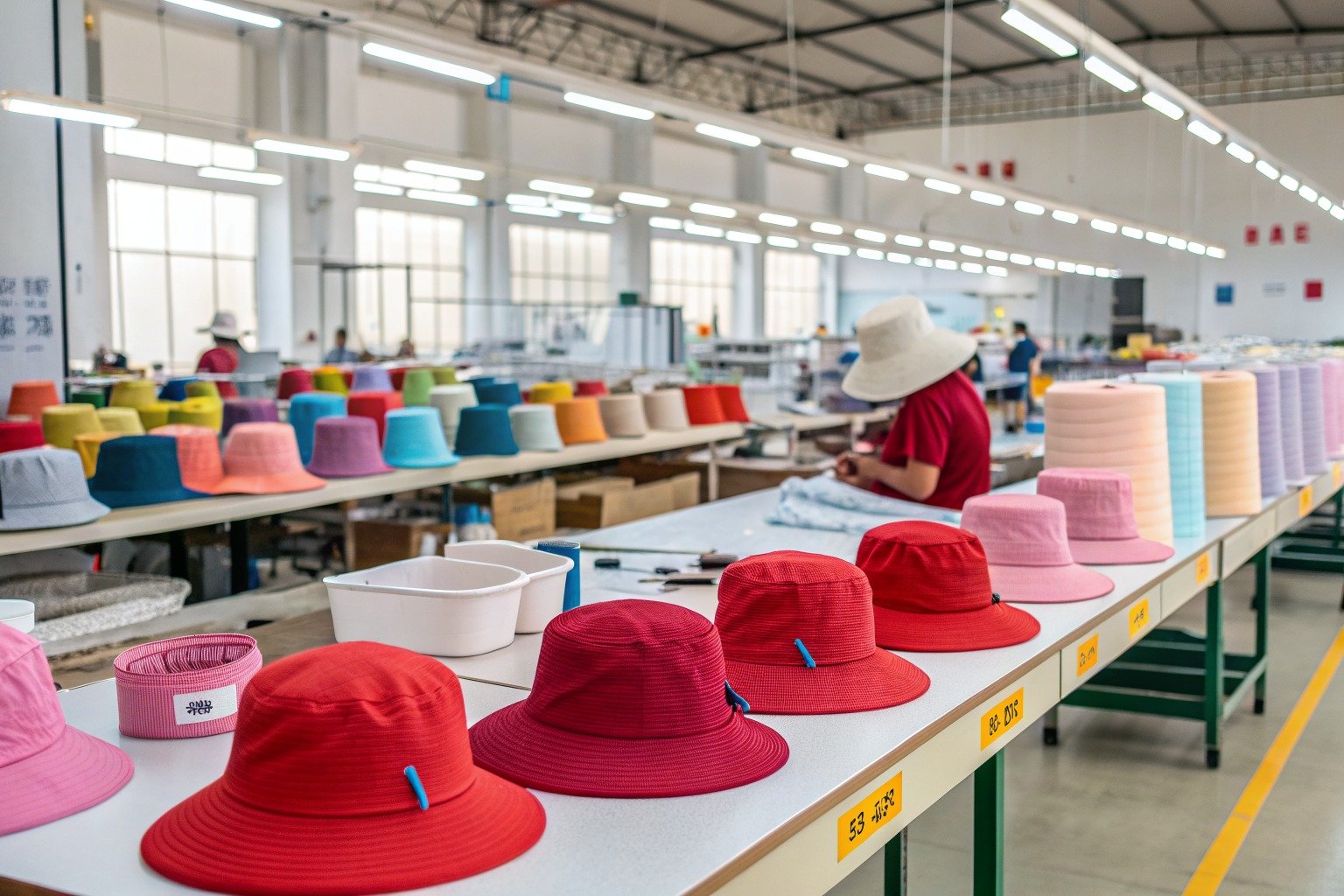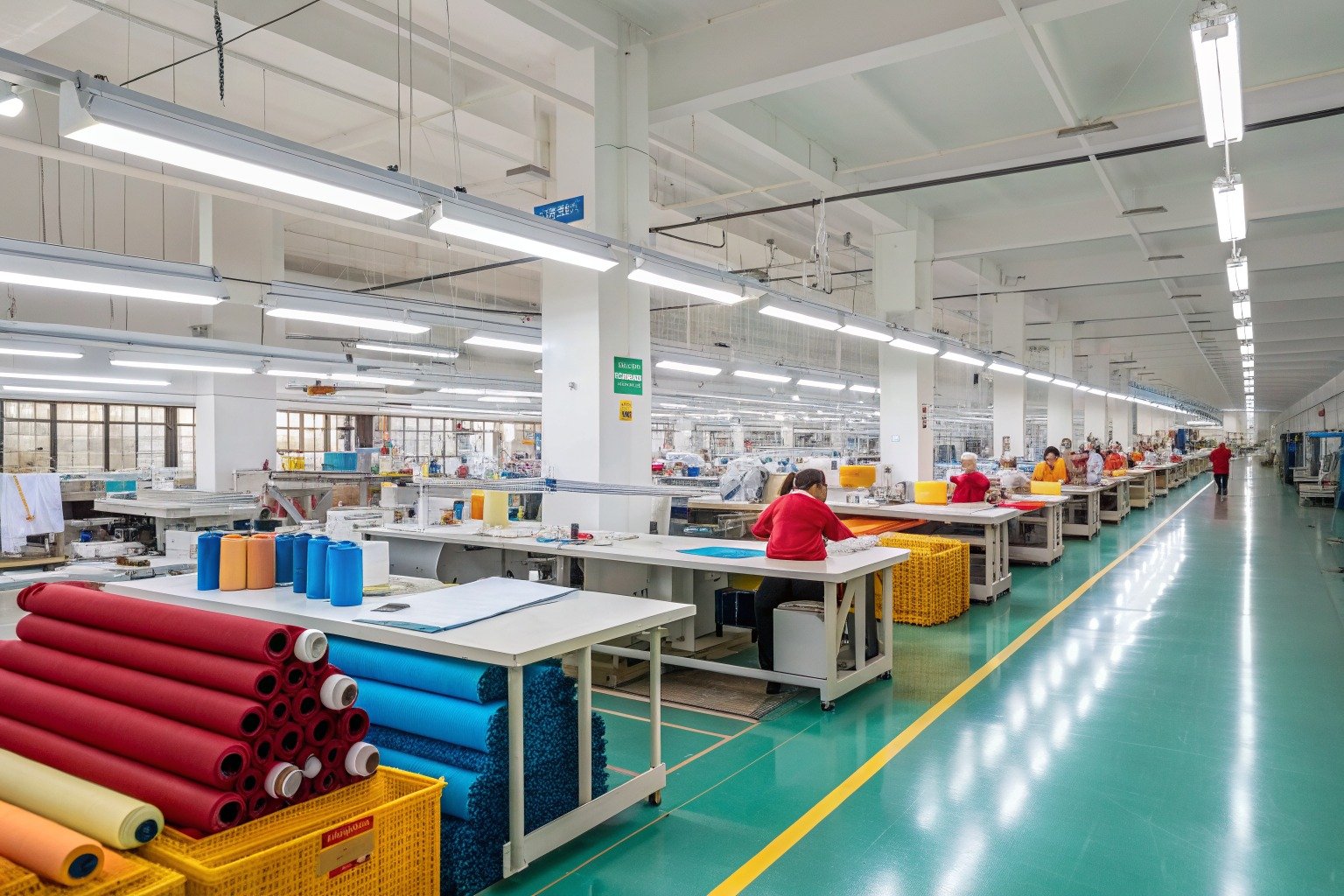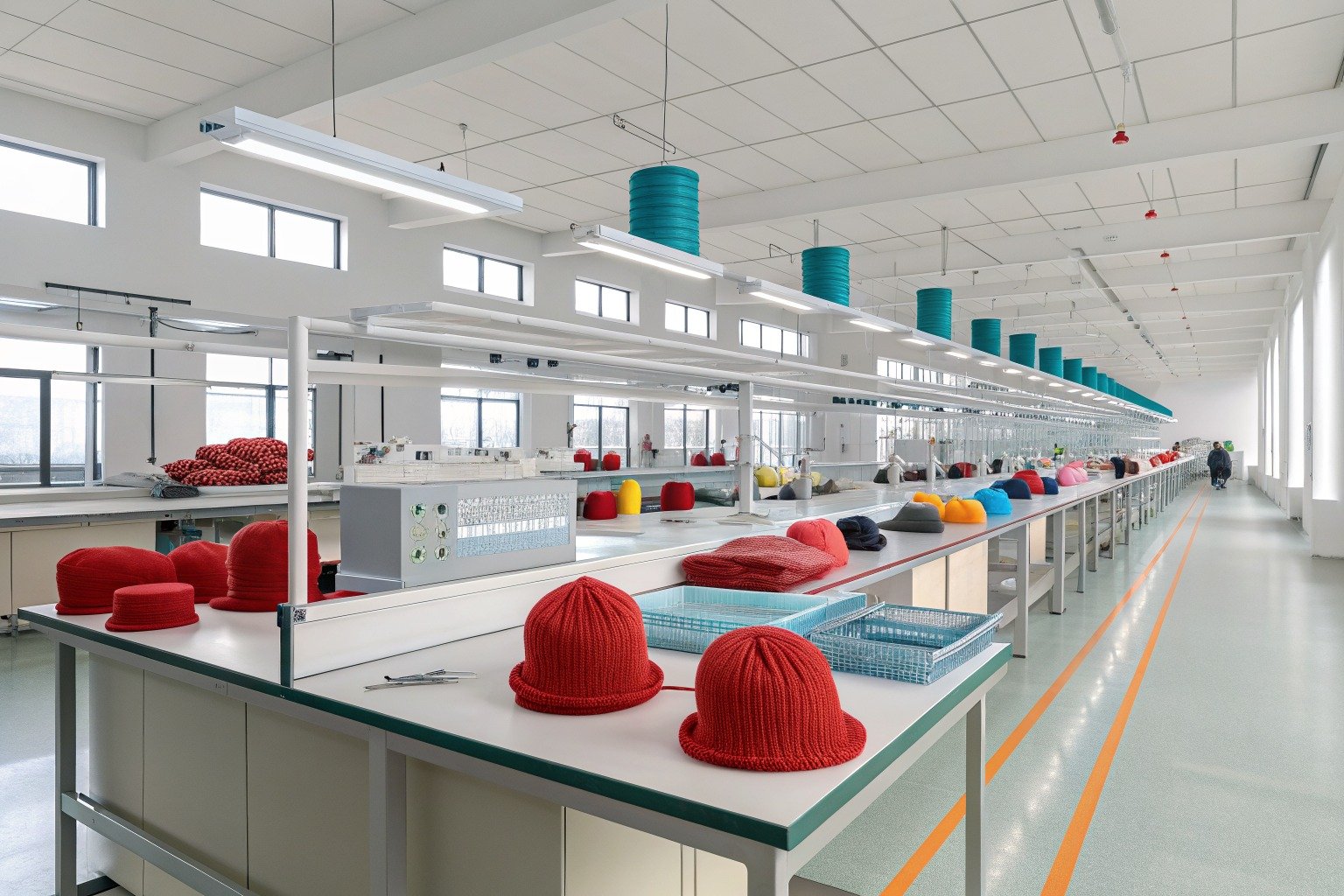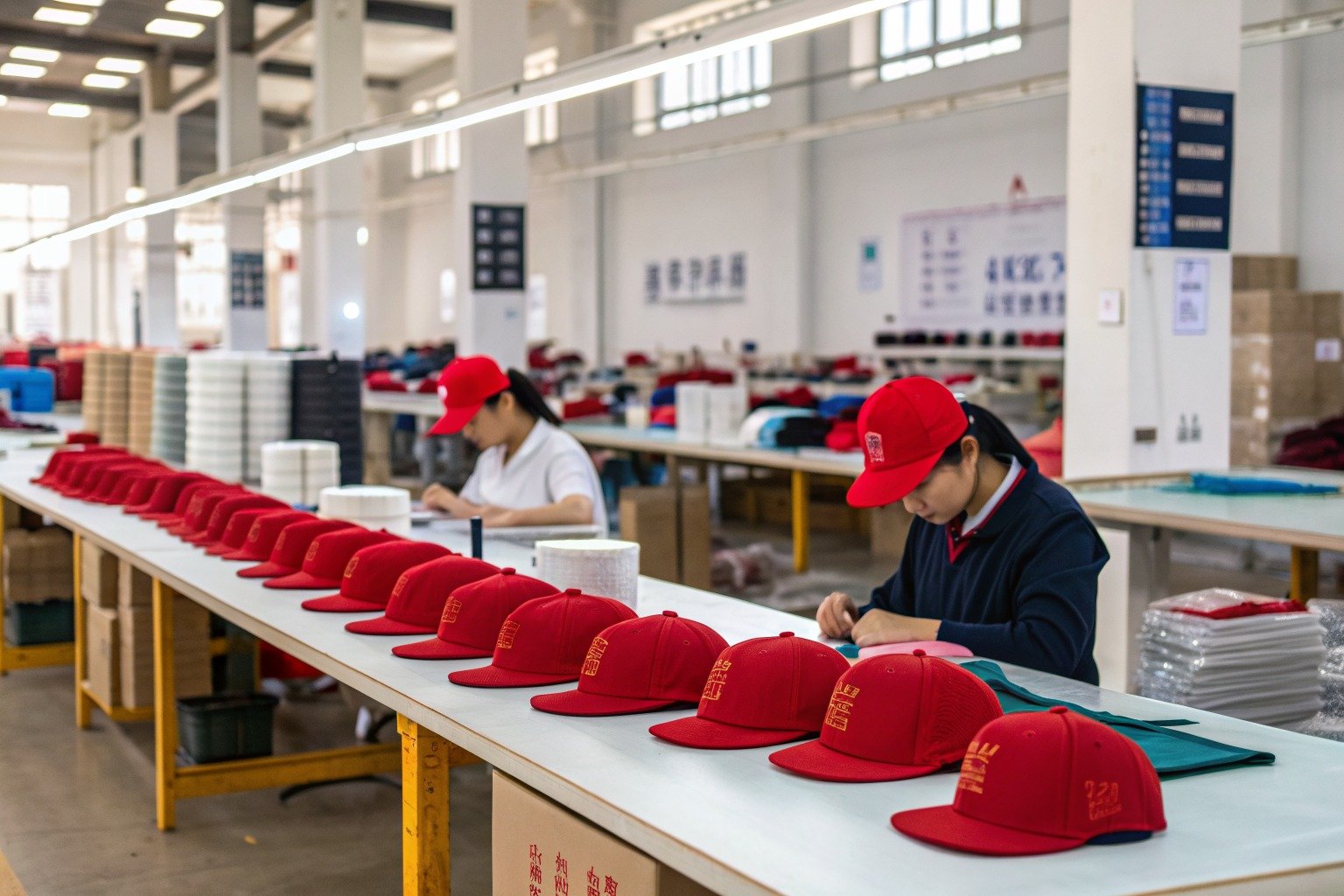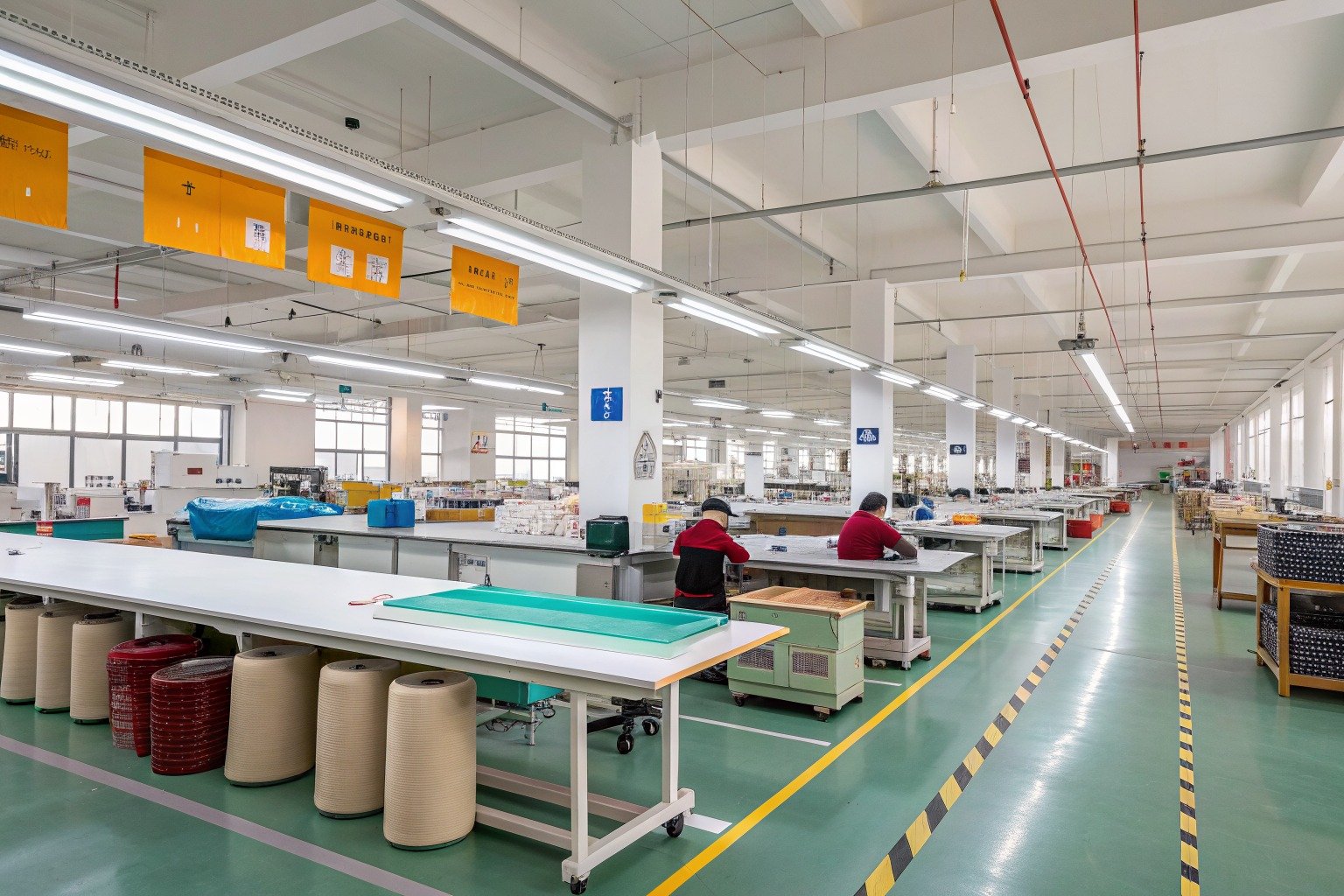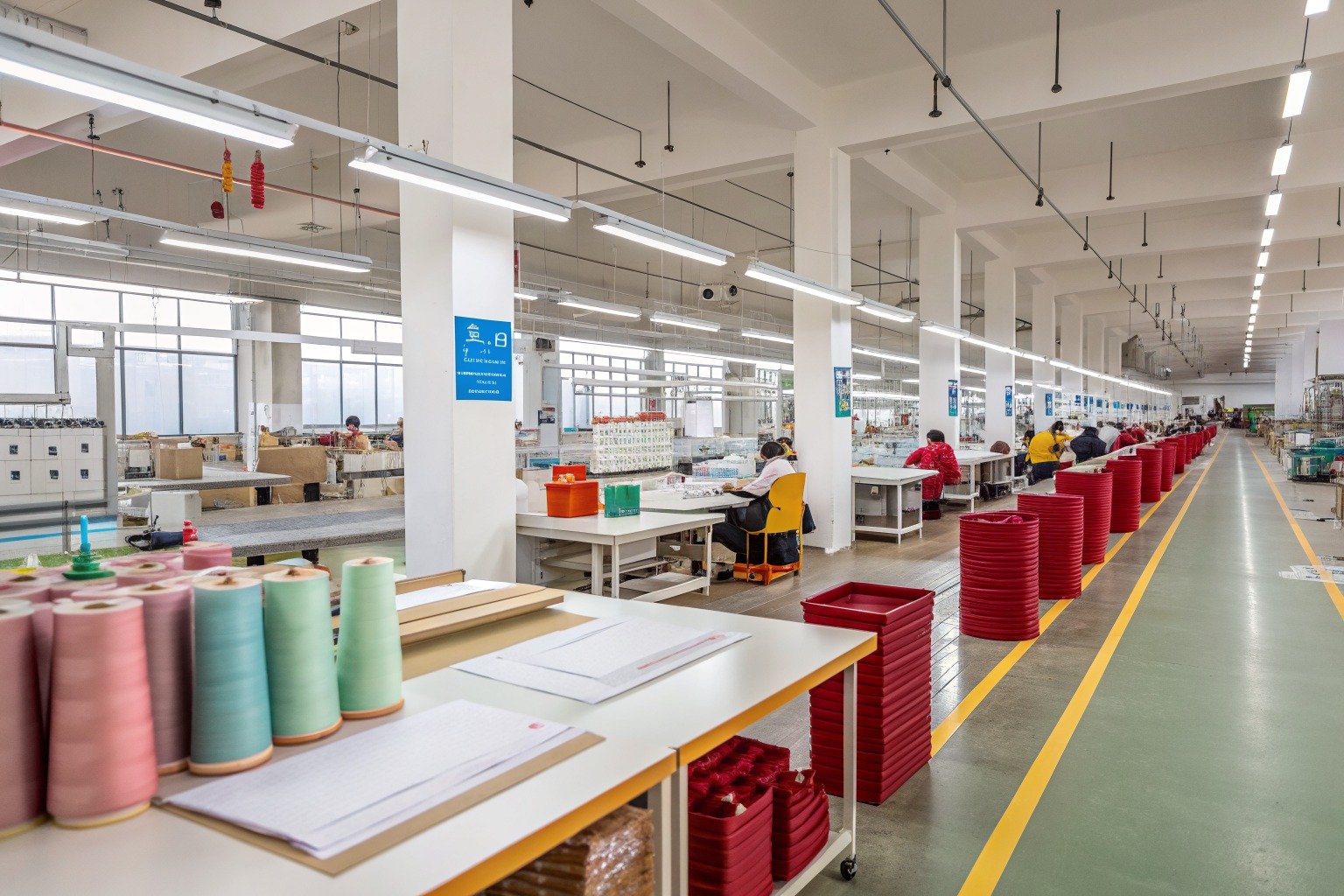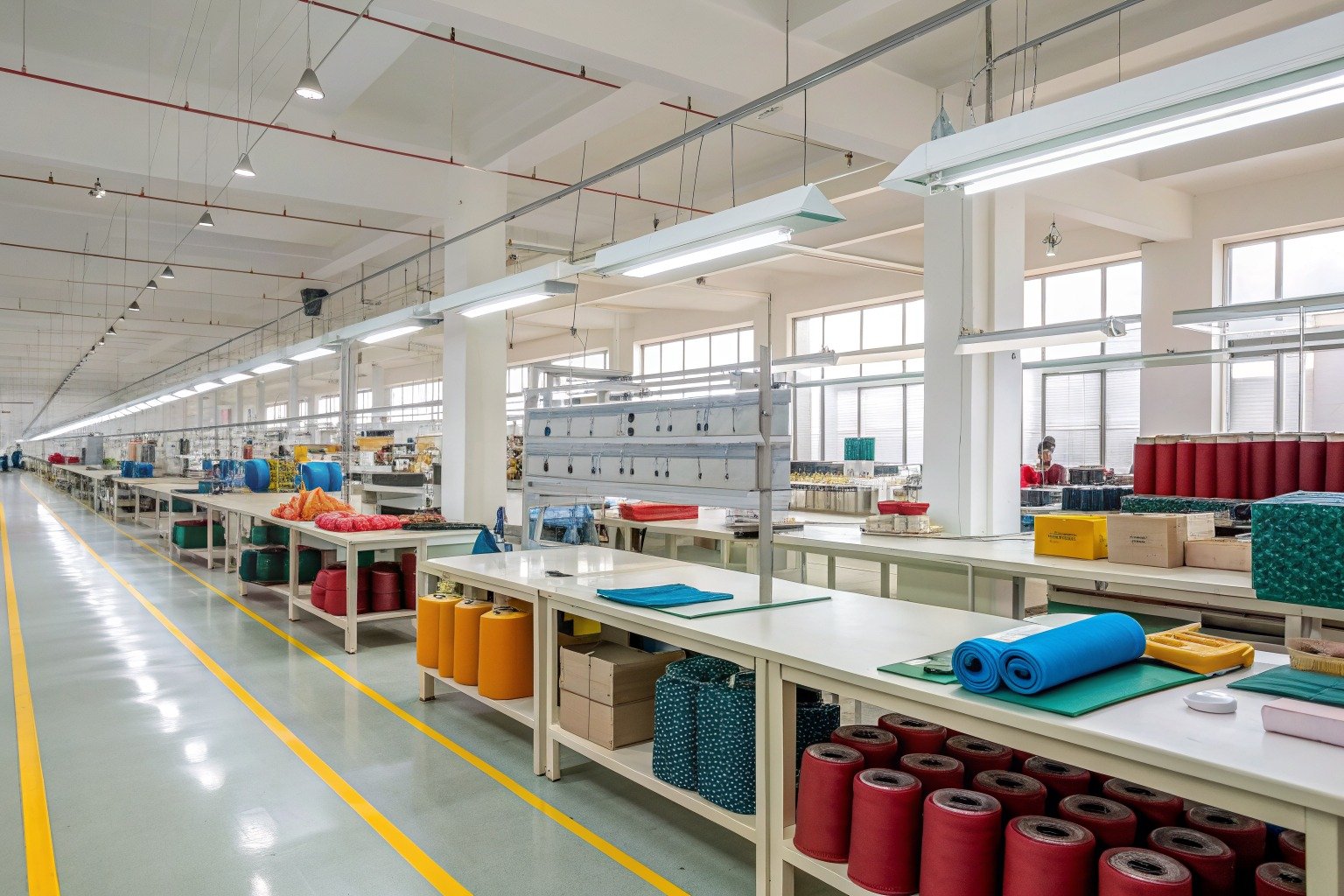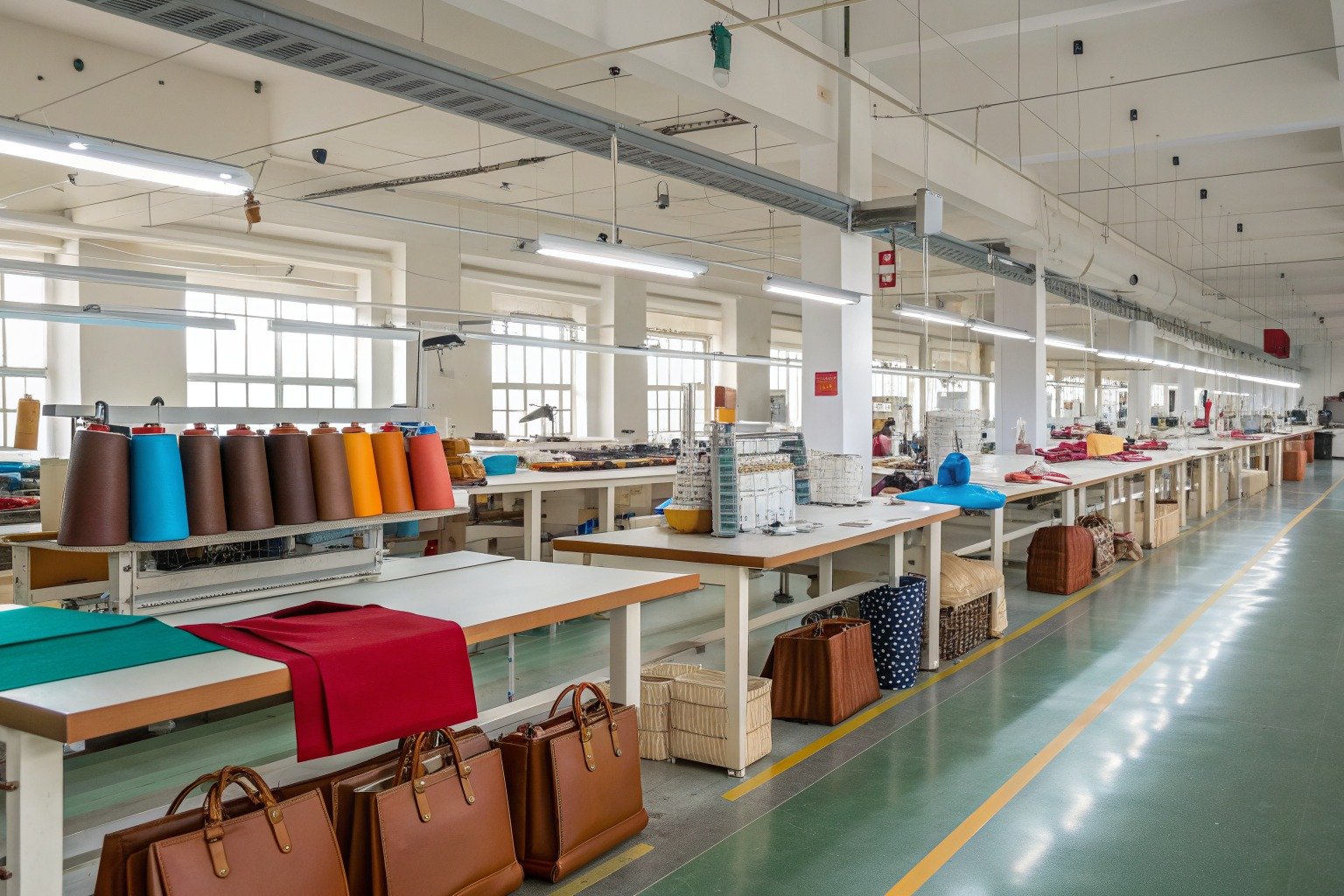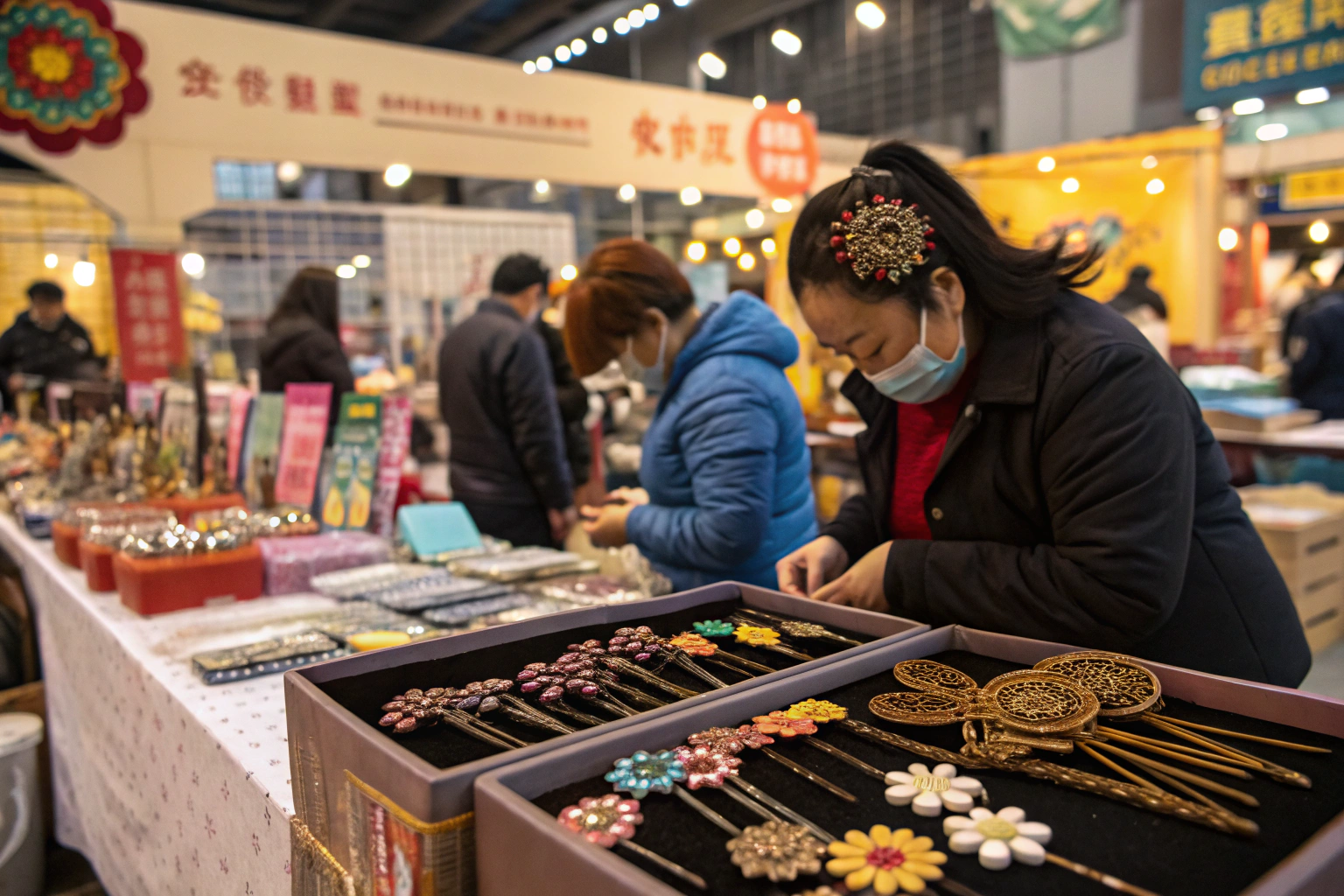
The handmade hairpin market faces increasing demand, but many manufacturers struggle with production bottlenecks. Improving efficiency while maintaining quality presents a significant challenge for businesses in this sector.
Improving production efficiency for handmade hairpins requires implementing standardized processes, optimizing workspace layout, utilizing appropriate tools and jigs, batch processing components, and implementing quality control checkpoints throughout production. These strategies can significantly increase output while preserving the handmade quality that makes these accessories valuable. The key lies in systematizing the creative process without sacrificing artistic integrity.
Efficiency improvements in handmade production don’t mean eliminating the artisan touch that makes these pieces special. Instead, they focus on eliminating wasted time and motion while enhancing consistency. Let’s explore practical strategies that can transform your handmade hairpin production.
How Can Process Standardization Boost Efficiency?
Standardization might seem counterintuitive for handmade products, but establishing consistent procedures actually enhances both efficiency and quality control.
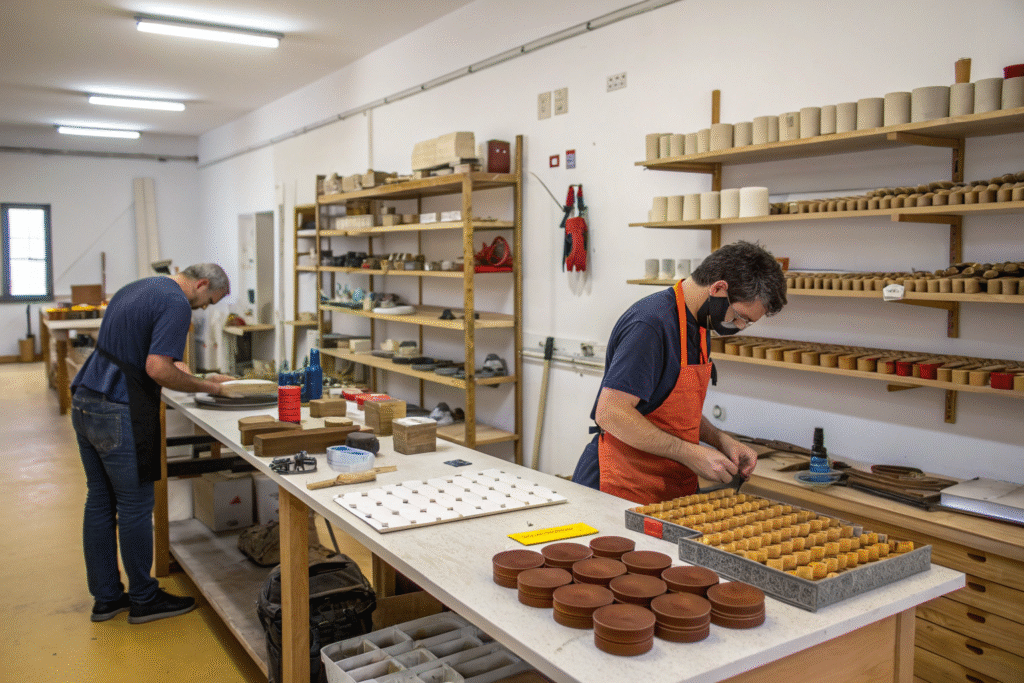
Process standardization involves creating repeatable workflows for each hairpin style while allowing for artistic variations. This approach begins with documenting each production step, identifying time requirements, and establishing quality benchmarks at each stage. For handmade hairpins, this means creating standard operating procedures for common techniques like wire wrapping, bead placement, resin application, or metal forming. These standards serve as training tools for new artisans and reference points for experienced crafters, reducing variations that lead to rework and wasted materials.
What Elements Should Be Standardized?
The most impactful elements to standardize include material preparation, basic technique execution, and finishing processes. Material preparation standards might specify how to pre-cut wire to common lengths, sort beads by color and size, or prepare resin mixtures in consistent batches. Technique standards establish the most efficient methods for repetitive tasks like creating consistent loops, securing findings, or applying finishes. Finishing standards ensure every piece meets quality expectations before packaging, reducing returns and reputation damage. These standards should be developed with input from your most experienced artisans to capture their efficient methods.
How Does Standardization Improve Training and Consistency?
Standardized processes dramatically reduce training time for new artisans while improving output consistency. New team members can reference visual guides and standard procedures rather than relying solely on verbal instructions, accelerating their path to full productivity. Consistency improvements mean fewer pieces require rework or fail quality inspections, directly boosting overall efficiency. The table below shows potential efficiency gains from standardization:
| Production Area | Before Standardization | After Standardization | Improvement |
|---|---|---|---|
| New Artisan Training | 4-6 weeks | 2-3 weeks | 50% faster |
| Quality Rejection Rate | 8-12% | 3-5% | 60% reduction |
| Production Speed Variation | ±25% between artisans | ±10% between artisans | 60% more consistent |
| Material Waste | 7-10% | 3-4% | 55% reduction |
How Does Workspace Optimization Impact Production Speed?
The physical arrangement of tools, materials, and workstations significantly influences handmade hairpin production efficiency through reduced movement and mental processing time.
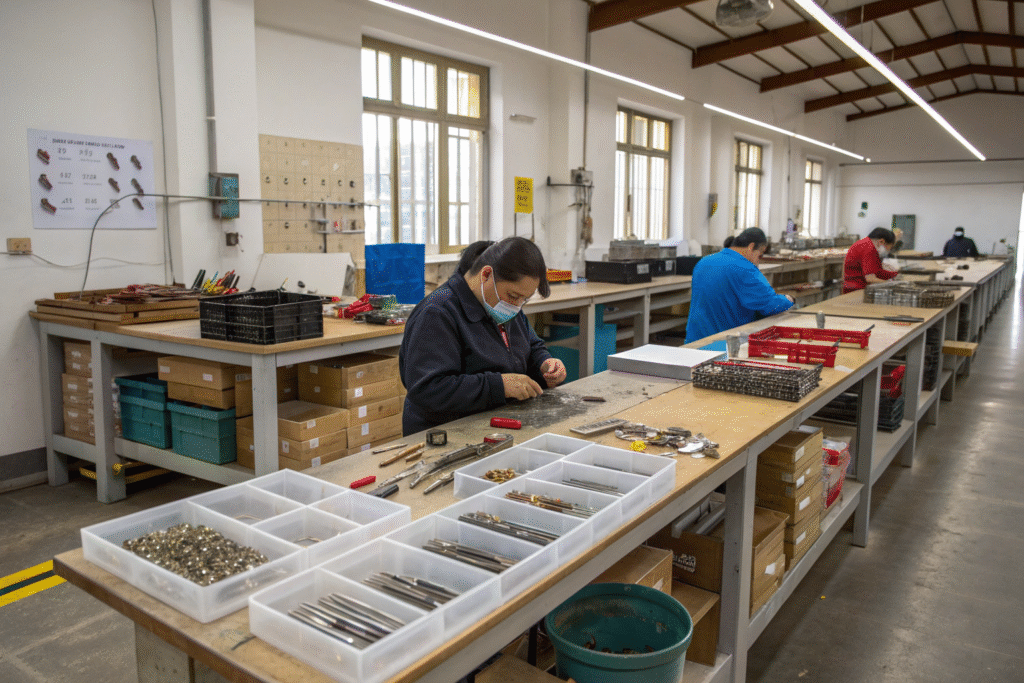
An optimized workspace minimizes unnecessary motions and keeps essential tools and materials within easy reach. This ergonomic approach follows the principle of "everything in its place," reducing the time artisans spend searching for tools or materials. For hairpin production, this means organizing workstations with dedicated containers for different bead types, easily accessible tools for specific techniques, and logical workflow progression from raw materials to finished products. Proper lighting, comfortable seating, and appropriate work surface height further contribute to sustained productivity throughout the workday.
What Are the Key Principles of Workspace Organization?
Effective workspace organization for handmade hairpin production follows several key principles. The "golden triangle" concept positions most frequently used tools within easy reach without stretching. Zoning separates different production stages—such as preparation, assembly, and finishing—to create mental clarity and reduce errors. Visual management uses color coding, labels, and shadow boards to make organization intuitive. Material flow ensures components move logically through the production process without backtracking or congestion. These principles collectively reduce non-value-added movements that consume significant time over a production day.
How Can Workstations Be Designed for Maximum Efficiency?
Efficient workstation design addresses both ergonomics and process flow. Each artisan should have dedicated space for current projects with organized storage for frequently used materials. Tool holders keep essential implements accessible but protected from damage. Component trays with dividers organize small parts like beads, charms, and findings. Lighting should be bright and shadow-free to reduce eye strain during detailed work. Many manufacturers implement the 5S methodology (Sort, Set in Order, Shine, Standardize, Sustain) to create and maintain efficient workspaces that support rather than hinder production.
What Role Do Specialized Tools and Jigs Play?
Appropriate tools and custom jigs can dramatically accelerate handmade processes while improving consistency and reducing artisan fatigue.
Specialized tools designed for specific tasks in hairpin production can cut process time significantly compared to using general-purpose tools. Custom jigs and fixtures hold components in position for assembly, ensuring consistency while freeing the artisan’s hands for other tasks. For example, a simple wire-bending jig can create identical shapes repeatedly without measuring, while a bead-stringing aid can accelerate this tedious process. The initial investment in developing these aids pays back quickly through reduced production time and improved consistency across your product line.

Which Tools Deliver the Greatest Efficiency Gains?
Several tool categories offer substantial efficiency improvements for handmade hairpin production. Precision pliers with specialized tips for specific techniques reduce hand strain and improve accuracy. Micro-torches with fine flames accelerate soldering and resin curing processes. Magnification systems with built-in lighting enhance precision for detailed work while reducing errors. Rotary tools with various attachments handle multiple tasks from polishing to cutting. The table below shows common efficiency challenges and tool solutions:
| Production Challenge | Standard Tool | Specialized Tool | Time Savings |
|---|---|---|---|
| Consistent wire loops | Round-nose pliers | Stepped looping pliers | 40-50% |
| Multiple identical bends | Hand bending | Custom bending jig | 60-70% |
| Small component soldering | Standard torch | Micro-butane torch | 30-40% |
| Detailed work visibility | Desk lamp | Magnifier lamp | 25-35% |
How Can Simple Jigs Transform Repetitive Tasks?
Custom jigs represent one of the most cost-effective efficiency improvements for handmade hairpin production. A measuring jig with stops for common wire lengths eliminates repeated measuring. A bending jig with pins positioned for popular shapes ensures consistency across production runs. An assembly jig that holds multiple components in position speeds up gluing or wiring processes. These simple aids require minimal investment to create but deliver substantial returns through faster production, reduced material waste from errors, and more consistent finished products that require less quality intervention.
How Does Batch Processing Improve Workflow?
Strategic batch processing allows handmade hairpin producers to leverage setup time across multiple units while maintaining the distinctive qualities of handmade pieces.
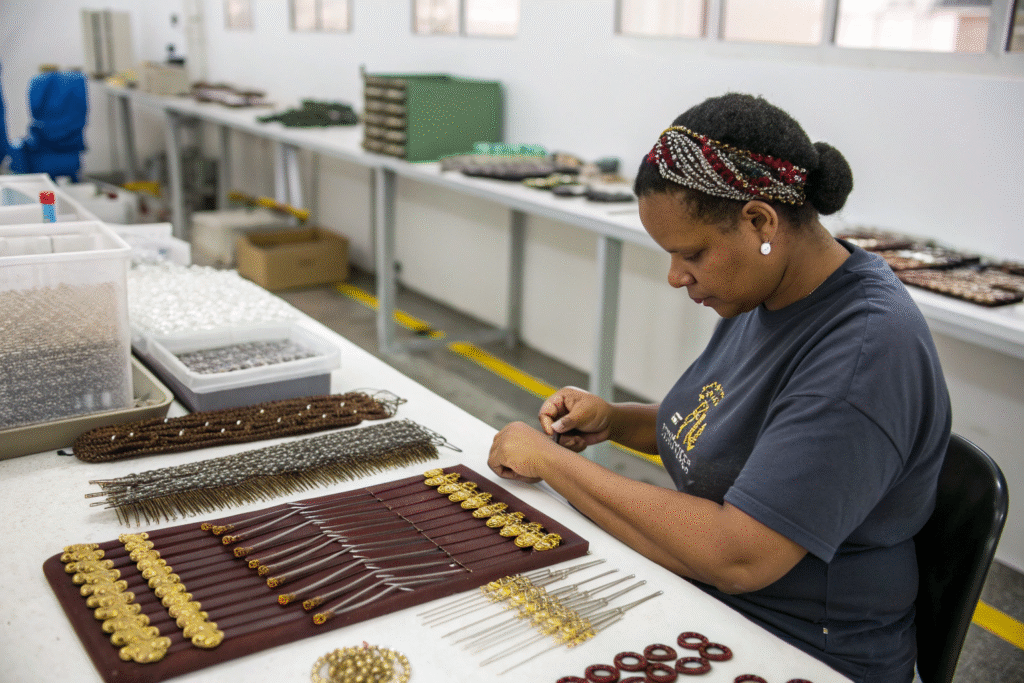
Batch processing involves completing specific tasks across multiple hairpins before moving to the next production phase, rather than creating pieces one at a time from start to finish. This approach minimizes the mental context switching and setup/cleanup time that consumes significant portions of the production day. For example, an artisan might prepare wire components for twenty hairpins before moving to bead selection, then to assembly, and finally to finishing. This method captures efficiencies while still allowing for individual variations that maintain the handmade character.
What Production Stages Benefit Most from Batching?
Certain stages of handmade hairpin production particularly benefit from batch processing. Material preparation—including cutting wire, pre-forming components, and selecting/sorting beads—shows dramatic efficiency improvements when done in batches. Application of finishes like sealants, paints, or patinas becomes more consistent and efficient when multiple pieces are treated together. Quality inspection processes flow more smoothly when inspectors can focus on one criteria at a time across multiple pieces. Even packaging and labeling operations benefit from the rhythm established by batch processing.
How Can Batches Be Optimized for Different Product Types?
Optimal batch size varies based on hairpin complexity, material characteristics, and order requirements. Simple designs with few components may work well in larger batches of 20-30 units, while complex pieces with multiple delicate operations might perform better in smaller batches of 5-10 units. Perishable materials like mixed resins require timing consideration. Many manufacturers establish standard batch sizes for different product categories, creating predictable workflows while allowing flexibility for custom orders. The key is finding the balance that minimizes setup time without creating production bottlenecks or quality issues.
Conclusion
Improving production efficiency for handmade hairpins requires a systematic approach that respects the artistic nature of the craft while eliminating inefficiencies. Through process standardization, workspace optimization, specialized tools, and strategic batch processing, manufacturers can significantly increase output without compromising quality. These improvements not only boost productivity but also enhance working conditions for artisans, leading to better morale and reduced turnover. The most successful implementations involve artisans in developing efficiency solutions, ensuring methods align with practical production realities while capturing their valuable insights.
If you’re looking to improve your handmade hairpin production efficiency while maintaining quality standards, our manufacturing expertise can help you implement these strategies effectively. We’ve developed specialized approaches that balance artistic integrity with production efficiency. Contact our Business Director Elaine today at elaine@fumaoclothing.com to discuss how we can help you optimize your handmade hairpin production.