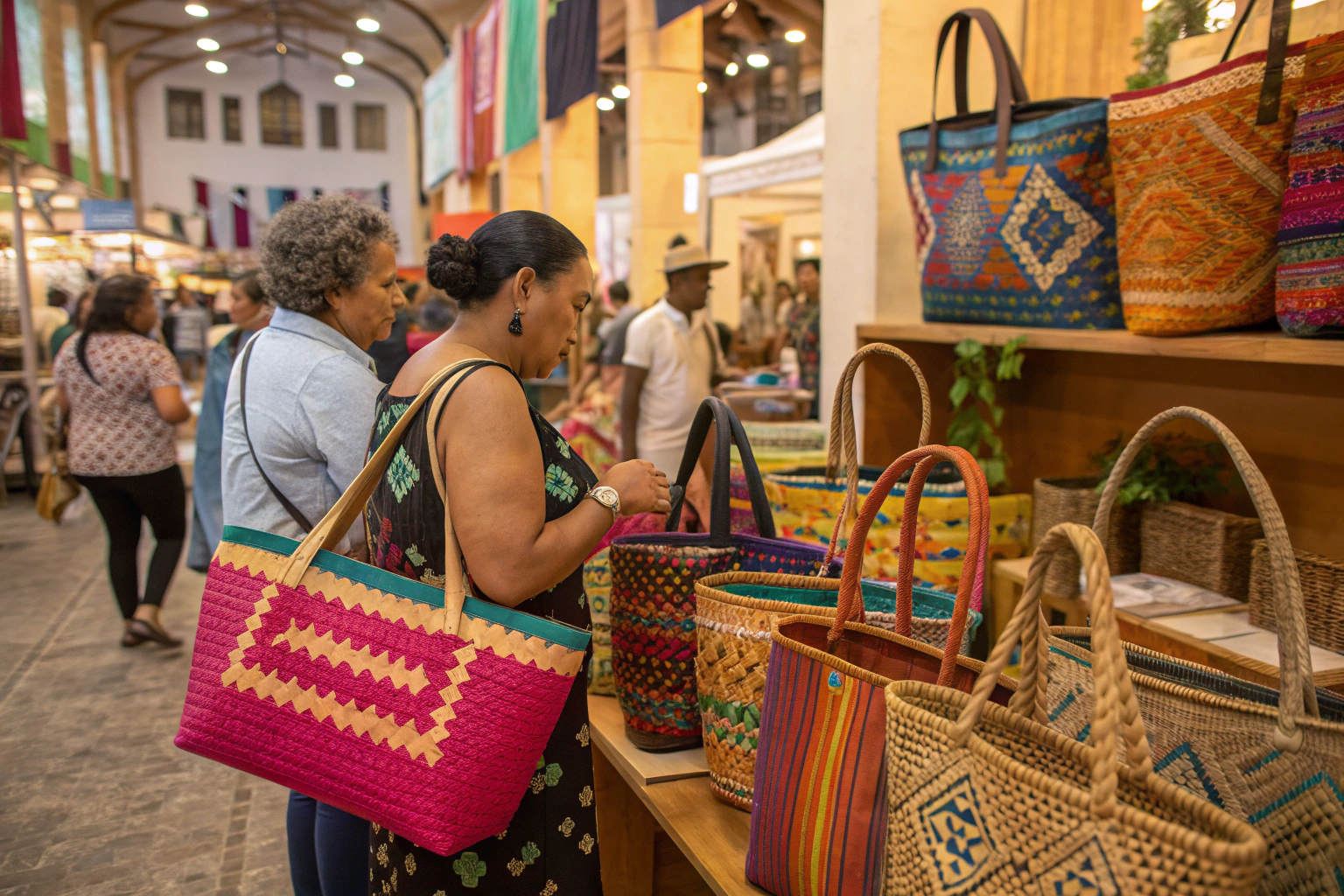
The handwoven bag market has experienced significant growth in recent years, but many retailers and manufacturers struggle to identify their ideal customers. Understanding the specific demographics and psychographics of handwoven bag consumers is crucial for successful market positioning.
The target audience for handwoven bags spans multiple demographic segments but shares common values including sustainability appreciation, artisanal craftsmanship, unique self-expression, and ethical consumption. Primary audiences include eco-conscious millennials, boutique shoppers, cultural enthusiasts, fashion-forward professionals, and ethical consumers seeking authentic, story-rich accessories that reflect their personal values and lifestyle choices.
The appeal of handwoven bags extends beyond mere functionality to encompass emotional connections and value-based purchasing decisions. Let’s explore the specific consumer segments that drive this market and their distinctive characteristics.
What Defines the Eco-Conscious Millennial Segment?
Millennials have emerged as a powerful consumer force in the handwoven bag market, driven by specific values and purchasing behaviors that align perfectly with this product category.
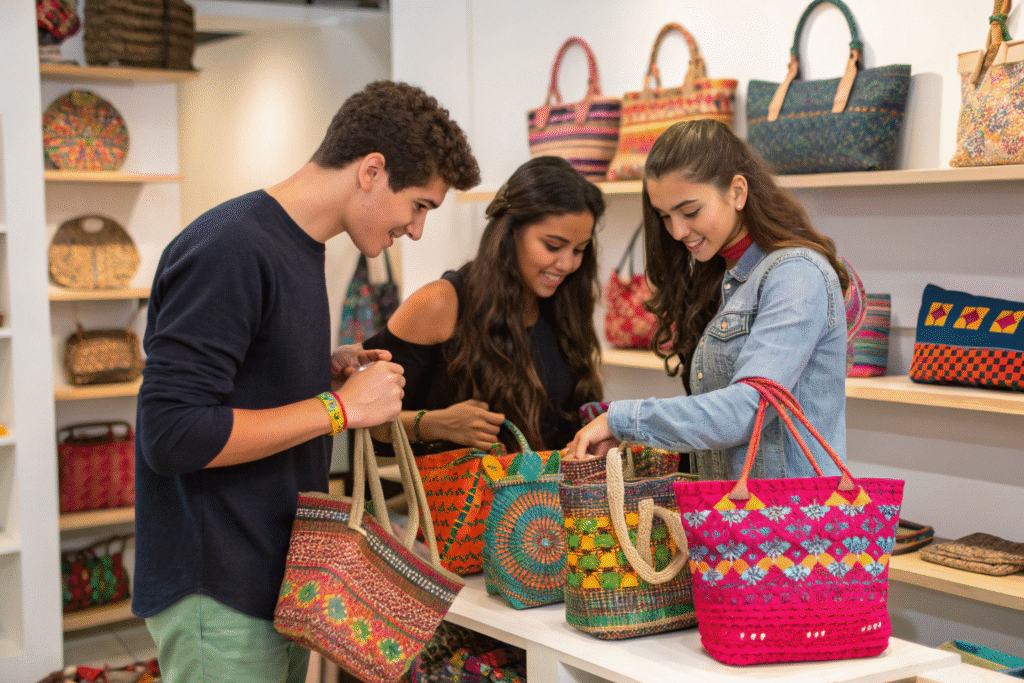
Eco-conscious millennials represent a core demographic for handwoven bags, characterized by their strong environmental awareness, preference for sustainable materials, and desire to support artisan communities. This segment typically ranges from 25 to 40 years old, predominantly urban or suburban dwellers with moderate to high disposable income. They actively seek products with authentic stories and transparent supply chains, viewing their purchases as extensions of their personal values and ethical commitments. The handmade nature of woven bags appeals directly to their preference for unique items over mass-produced alternatives.
What Motivates This Segment’s Purchasing Decisions?
Eco-conscious millennials prioritize several key factors when selecting handwoven bags. Sustainability credentials rank highest, with preference given to natural, biodegradable materials and environmentally friendly production methods. Artisan support represents another significant motivation, with these consumers willing to pay premium prices knowing their purchase directly supports craftspeople. Authenticity and storytelling strongly influence decisions, with products connected to specific cultural traditions or individual artisans holding particular appeal. These consumers extensively research products online and heavily influence peers through social media sharing.
How Does This Segment Discover and Purchase Handwoven Bags?
This demographic primarily discovers handwoven bags through social media platforms, particularly Instagram and Pinterest, where visual storytelling aligns with their preferences. They frequent artisan markets, pop-up shops, and boutique stores that curate authentic products. Online marketplaces like Etsy and specialized ethical fashion platforms serve as key purchasing channels. The table below outlines their discovery and purchasing patterns:
| Channel Type | Discovery Frequency | Purchase Conversion |
|---|---|---|
| Social Media | High | Medium |
| Artisan Markets | Medium | High |
| Boutique Retailers | Medium | High |
| Online Marketplaces | High | Medium-High |
| Word-of-Mouth | Medium | High |
Who Are the Fashion-Forward Professional Women?
Professional women seeking distinctive accessories that balance style with functionality represent another crucial segment for handwoven bag manufacturers.
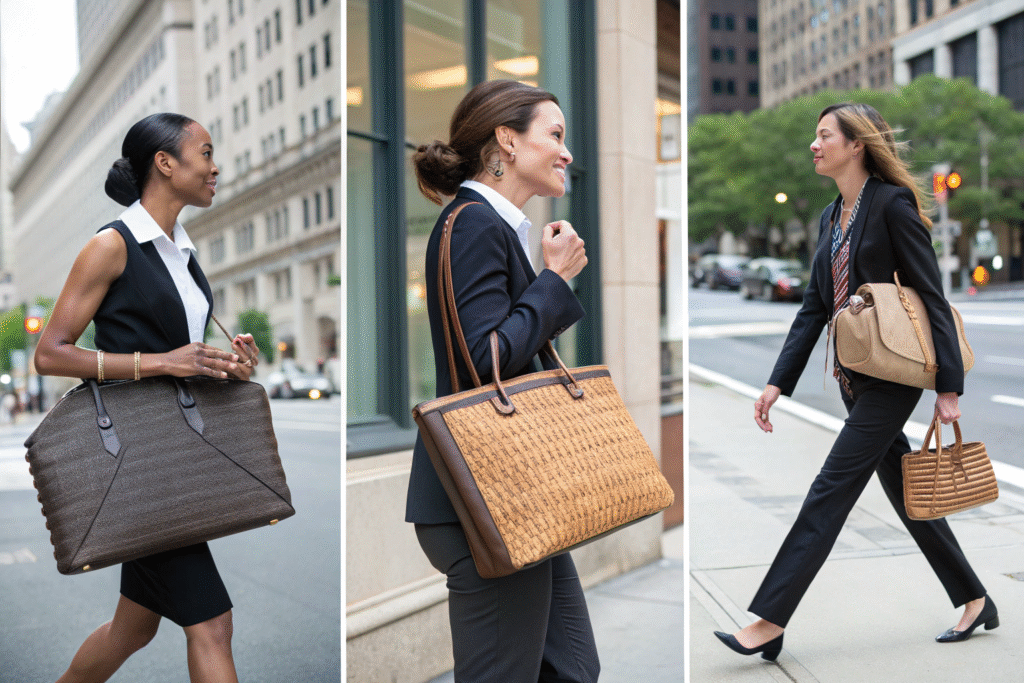
Fashion-forward professional women aged 30-55 constitute a premium segment for high-quality handwoven bags. These consumers typically hold professional positions in creative industries, education, or socially conscious organizations where unique accessories complement their personal brand. They seek bags that transition seamlessly from work to social occasions while making subtle style statements. This demographic values craftsmanship and materials, often preferring minimalist woven designs in neutral palettes that complement professional attire while showcasing artisanal quality.
What Design Features Appeal to Professional Women?
Professional women prioritize specific design characteristics in handwoven bags. Functional organization including dedicated laptop compartments, multiple interior pockets, and secure closures addresses their practical needs. Quality materials and construction ensure durability for daily use, with reinforced stitching and sturdy handles being particularly important. Versatile styling that works across professional and casual contexts increases perceived value. Subtle branding or distinctive craftsmanship details allow for understated elegance rather than overt fashion statements. These consumers typically invest in 2-3 quality handwoven bags per year, viewing them as wardrobe staples rather than trend-driven purchases.
What Price Points Attract This Demographic?
This segment demonstrates willingness to pay premium prices for quality handwoven bags that meet their specific requirements. The sweet spot typically falls between $150-$400, with higher price points justified by exceptional craftsmanship, premium materials, and functional design features. Limited edition pieces or collaborations with renowned artisans can command prices up to $600. These consumers view their purchases as investments in quality pieces that will last for years rather than seasonal disposable fashion.
What Characteristics Define the Cultural Tourist Segment?
Tourists and cultural enthusiasts represent a significant market segment particularly attracted to handwoven bags as meaningful souvenirs and cultural artifacts.
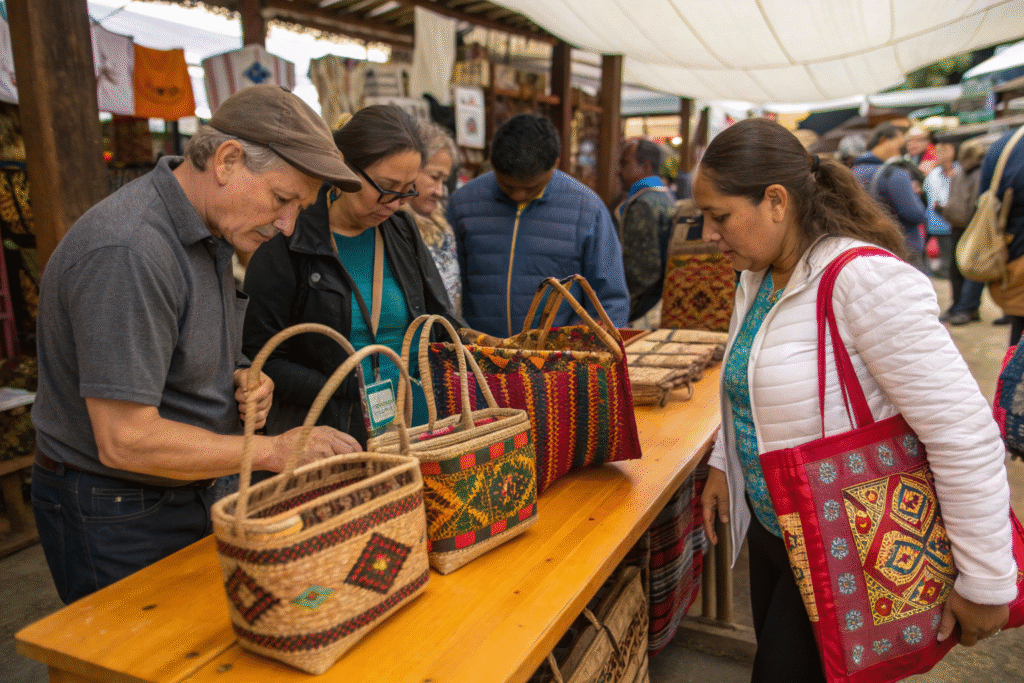
Cultural tourists seek handwoven bags as tangible connections to their travel experiences and the cultures they encounter. This diverse demographic spans various age groups and income levels united by their interest in authentic cultural products. They prioritize bags that reflect specific regional weaving traditions, utilize locally sourced materials, and incorporate traditional patterns or techniques. The story behind each piece—knowing which community produced it, the materials’ origin, and the technique’s cultural significance—greatly enhances perceived value and purchase likelihood.
How Does This Segment’s Purchasing Behavior Differ?
Cultural tourists exhibit distinct purchasing patterns compared to other segments. Impulse buying is more common, with purchases often serving as emotional souvenirs rather than planned acquisitions. Price sensitivity varies widely, with some tourists seeking budget-friendly souvenirs while others pursue high-end artisan pieces as investment purchases. Authenticity verification becomes crucial, with buyers seeking assurance that products genuinely represent local traditions rather than mass-produced imitations. These consumers typically purchase 1-2 handwoven bags per trip, often as gifts for friends and family in addition to personal use.
What Distribution Channels Best Reach Cultural Tourists?
Specific distribution channels effectively reach the cultural tourist segment. Local artisan markets in tourist destinations serve as primary purchasing locations, particularly those verified for authenticity. Museum shops and cultural center stores offer curated selections that appeal to this demographic. Hotel boutique shops stocking local crafts provide convenient access. Tour operators increasingly incorporate artisan visits into itineraries, creating direct purchasing opportunities. E-commerce platforms that successfully communicate cultural authenticity can capture post-trip purchases from tourists seeking additional pieces.
Who Are the Ethical Fashion Advocates?
The conscious consumer movement has created a distinct segment of ethical fashion advocates specifically drawn to handwoven bags for their social and environmental benefits.
Ethical fashion advocates represent a growing segment motivated primarily by the positive social impact of their purchases. This demographic includes consumers across various age groups who prioritize fair trade principles, artisan welfare, and sustainable production methods. They actively research brands’ ethical credentials, seeking transparency about working conditions, fair wage practices, and community benefits. For these consumers, handwoven bags represent an ethical alternative to fast fashion accessories, aligning with their values of conscious consumption and support for traditional crafts.
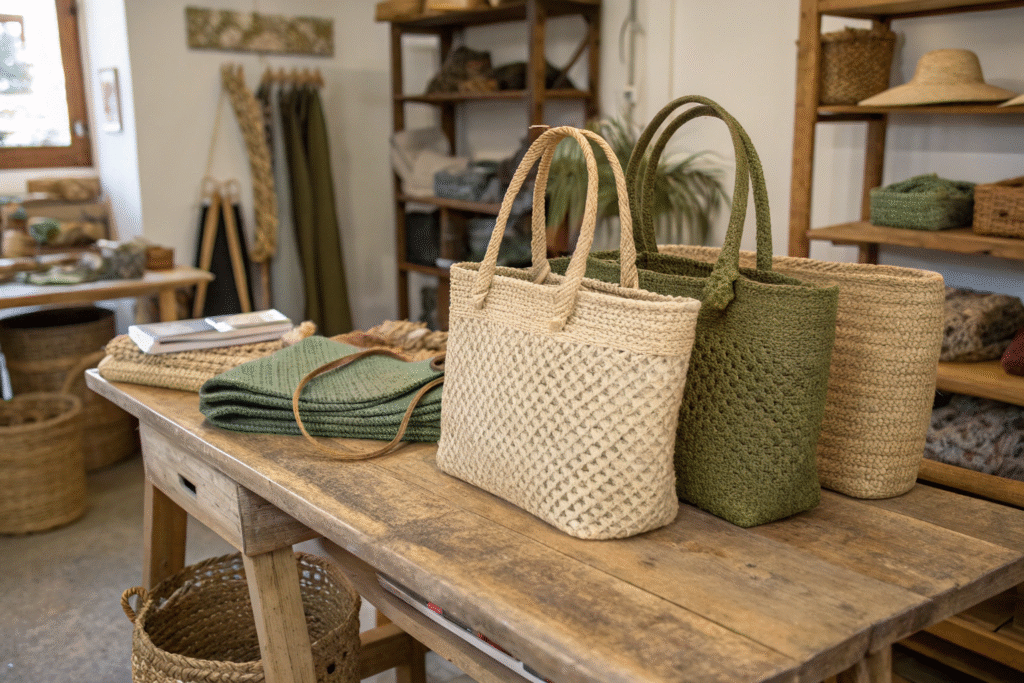
What Ethical Credentials Matter Most to This Segment?
Ethical fashion advocates prioritize several specific credentials when selecting handwoven bags. Fair Trade certification provides independent verification of fair labor practices and pricing. Direct artisan partnerships that ensure craftspeople receive equitable compensation strongly influence purchasing decisions. Sustainable material sourcing, particularly use of natural, renewable, or upcycled materials, addresses environmental concerns. Transparency about production processes and supply chains builds essential trust with this skeptical consumer segment. Community reinvestment programs that support education, healthcare, or other social initiatives in artisan communities provide additional motivation.
How Can Brands Effectively Communicate with This Segment?
Authentic storytelling represents the most effective communication strategy for reaching ethical fashion advocates. Detailed information about individual artisans or weaving communities creates personal connections. Transparent pricing breakdowns showing how much artisans receive build credibility. Third-party certifications and partnerships with recognized ethical organizations provide validation. Visual content showing production processes and artisan working conditions demonstrates commitment to transparency. These consumers actively share their discoveries with like-minded communities, making them valuable brand ambassadors when their standards are met.
Conclusion
The target audience for handwoven bags encompasses diverse but interconnected segments united by shared values rather than mere demographics. From eco-conscious millennials to fashion-forward professionals, cultural tourists, and ethical advocates, these consumers seek authenticity, craftsmanship, and meaningful stories in their accessories. Understanding these distinct segments’ motivations, purchasing behaviors, and preferences enables manufacturers and retailers to develop targeted products, messaging, and distribution strategies that resonate with each group’s specific needs and values.
If you’re looking to develop handwoven bag collections that effectively target these consumer segments, our manufacturing expertise can help you create products that align with market demands. We work directly with artisan communities to ensure authentic craftsmanship while meeting commercial requirements. Contact our Business Director Elaine today at elaine@fumaoclothing.com to discuss how we can help you develop successful handwoven bag collections for your target market.