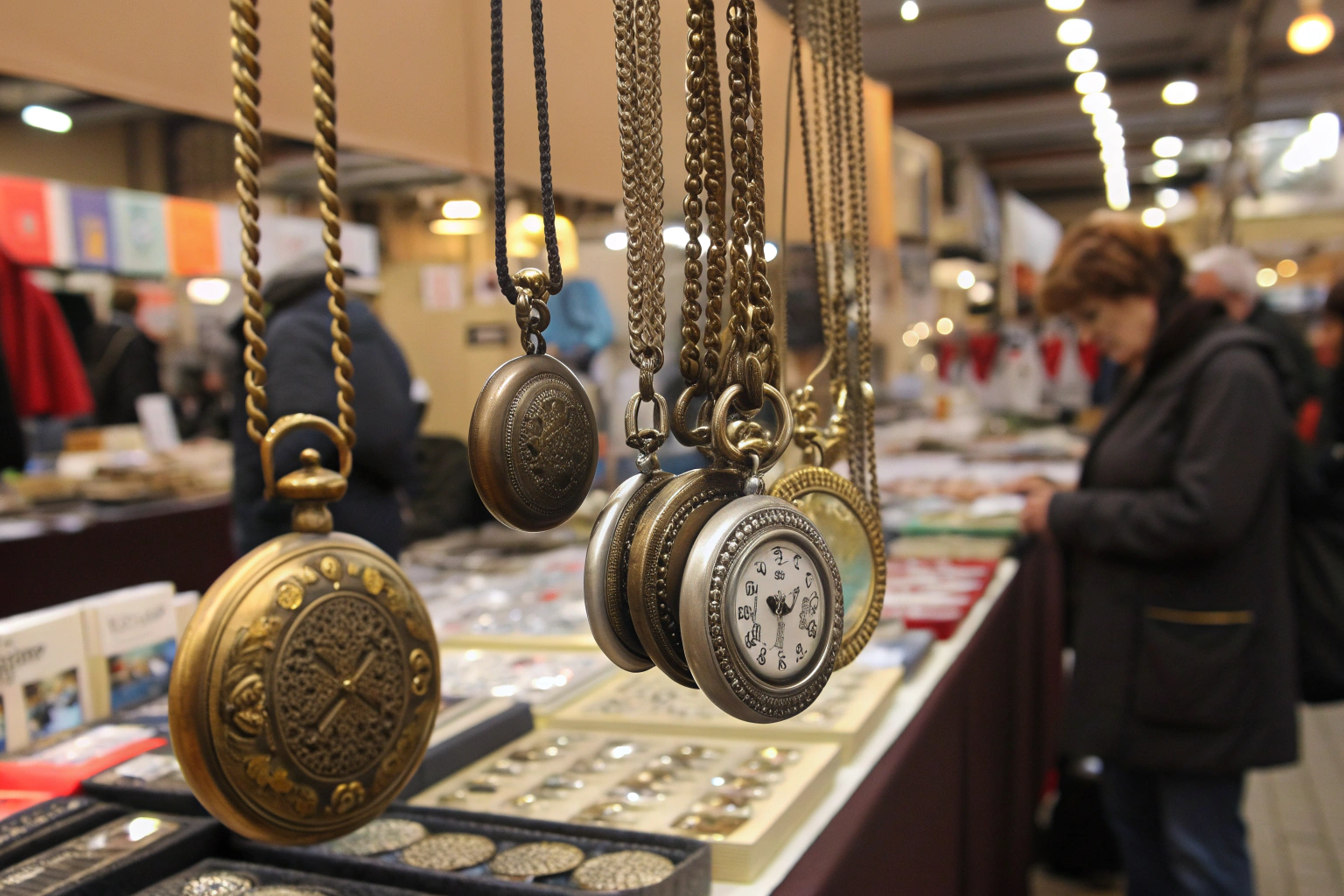
The jewelry market continuously evolves, yet certain styles demonstrate remarkable staying power. Retro-style alloy pendants have emerged as a significant trend, leaving many industry professionals wondering about their long-term viability and growth potential.
The development prospect for retro-style alloy pendants is exceptionally promising, driven by strong consumer nostalgia, versatile fashion applications, and advancements in alloy manufacturing technology. These pendants successfully bridge historical aesthetics with contemporary accessibility, creating a product category with substantial growth potential across multiple market segments. The market for vintage-inspired jewelry is expected to continue its expansion, with retro-style alloy pendants positioned to capture significant market share due to their affordability and design versatility.
The enduring appeal of vintage aesthetics combined with modern production capabilities creates a unique opportunity in the accessories market. Let’s examine the specific factors contributing to the bright future of retro-style alloy pendants.
What Market Trends Support the Growth of Retro-Style Pendants?
Understanding current market dynamics reveals why retro-style alloy pendants align perfectly with consumer preferences and purchasing patterns.
The market for retro-style alloy pendants is experiencing robust growth, supported by several converging trends. Nostalgia-driven purchasing has become a powerful force across consumer goods, with jewelry representing a particularly strong category. The table below illustrates key consumer segments driving this trend:
| Consumer Segment | Primary Motivations | Price Sensitivity |
|---|---|---|
| Millennials | Connection to family heritage, unique self-expression | Medium |
| Gen Z | Vintage aesthetic, sustainability concerns | Medium-High |
| Collectors | Historical significance, craftsmanship appreciation | Low |
| Fashion Enthusiasts | Versatile styling, statement pieces | Low-Medium |
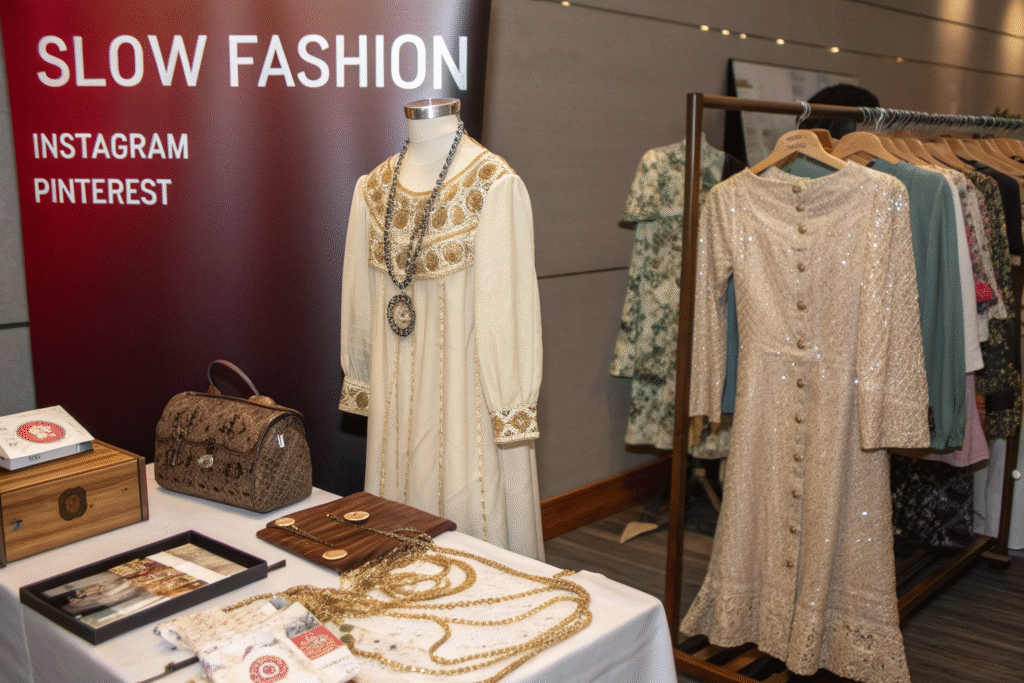
Additionally, the rise of "slow fashion" consciousness has increased appreciation for timeless designs over fast fashion trends. Social media platforms, particularly Instagram and Pinterest, have accelerated trend cycles while simultaneously creating renewed interest in vintage aesthetics. The alloy material itself offers significant advantages, providing the appearance of precious metals at accessible price points while enabling intricate detailing that captures authentic retro design elements.
How Large is the Vintage Jewelry Market?
The vintage and vintage-inspired jewelry market represents a substantial and growing segment within the broader accessories industry. Current market analysis indicates consistent annual growth between 7-9% for vintage-style jewelry, outperforming many other fashion categories. The demand for retro-style pieces specifically has increased approximately 15% year-over-year, suggesting accelerating interest rather than passing trend status. This growth trajectory is projected to continue as younger consumers discover vintage aesthetics and manufacturing technologies improve to create more authentic reproductions at competitive price points.
What Consumer Behaviors Drive This Segment?
Consumer behavior research reveals specific patterns supporting retro-style pendant growth. Modern shoppers increasingly value storytelling and heritage in their purchases, with retro-style pieces offering built-in narrative appeal. The desire for unique self-expression drives interest in distinctive designs that stand apart from mass-produced contemporary jewelry. Sustainability concerns lead some consumers to choose vintage-inspired new pieces as an ethical alternative to fast fashion accessories. These converging motivations create a strong foundation for continued market expansion.
How Does Manufacturing Technology Enhance Retro Pendant Production?
Advancements in manufacturing technology have transformed how retro-style alloy pendants are created, making authentic reproductions more accessible than ever before.
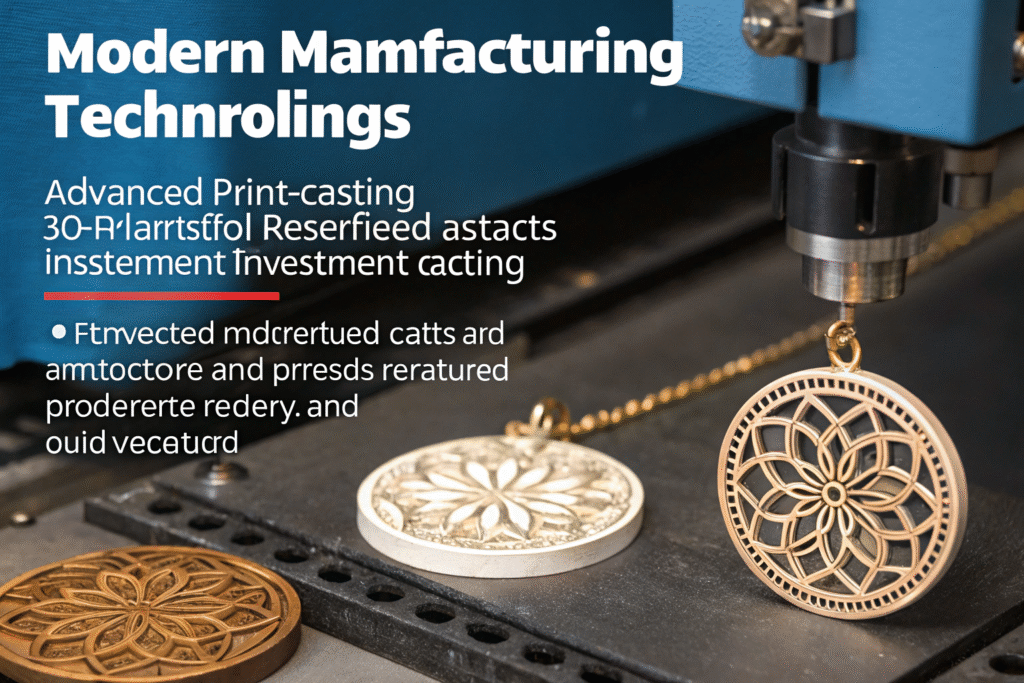
Modern manufacturing technologies have revolutionized retro-style pendant production through improved precision, material quality, and finishing techniques. Advanced casting methods, particularly 3D printing-assisted investment casting, allow for exceptional detail reproduction that captures the intricate workmanship of original vintage pieces. Laser etching and engraving technologies enable precise replication of patterns that were previously only achievable through skilled hand-engraving. These technological advances have significantly reduced the cost barrier for producing high-quality retro-style pendants while maintaining design authenticity.
What Specific Technologies Improve Authenticity?
Several specific technologies contribute to creating more authentic retro-style alloy pendants. Digital scanning technology allows manufacturers to create precise 3D models of genuine vintage pieces, capturing every detail for reproduction. Computer-aided design (CAD) software enables designers to modify original designs for improved wearability while preserving their vintage character. Advanced electroplating techniques create finishes that closely mimic the patina of aged metals, including sophisticated two-tone and oxidation effects that enhance vintage appeal.
How Has Production Efficiency Impacted the Market?
Improved production efficiency has significantly expanded the retro-style pendant market in several ways. Reduced production costs have made vintage-style pieces accessible to broader consumer segments through lower retail prices. Faster production cycles enable manufacturers to respond quickly to emerging trends within the vintage category. Enhanced consistency ensures that consumers receive high-quality products that meet their expectations for both vintage aesthetics and contemporary durability. These efficiency improvements have been crucial in transforming retro-style pendants from niche products to mainstream accessories.
What Design Innovations Are Shaping Retro Pendant Evolution?
Contemporary designers are reinterpreting retro aesthetics through modern sensibilities, creating pieces that honor the past while appealing to current tastes.
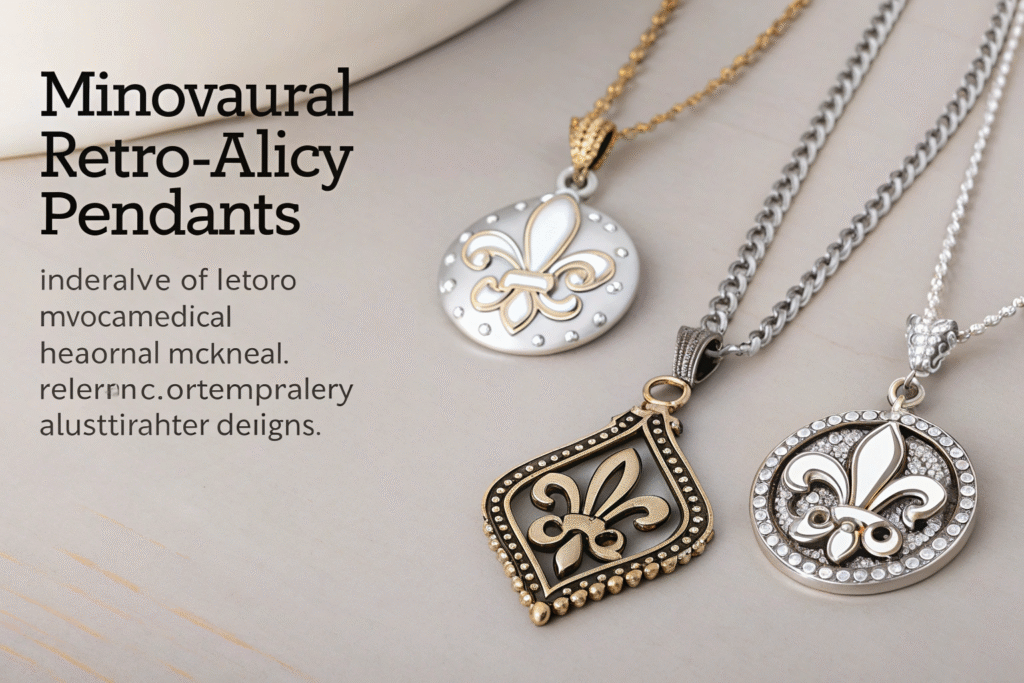
Design innovation in retro-style alloy pendants focuses on blending historical authenticity with contemporary wearability and styling considerations. Designers are reimagining vintage motifs through modern minimalist approaches, creating pieces that feature retro elements in cleaner, more streamlined formats. There’s growing experimentation with mixing design elements from different historical periods within single pieces, creating hybrid styles that appeal to consumers seeking unique statements. Scale adjustments represent another significant innovation, with designers adapting traditionally large vintage pieces to more wearable proportions for daily use.
Which Retro Eras Are Most Influential Currently?
Certain historical periods consistently inspire contemporary retro-style pendant designs. The Art Deco era remains perennially popular, with its geometric precision and sophisticated symmetry translating well to modern tastes. Victorian-inspired pieces featuring nature motifs, symbolic elements, and intricate filigree work have experienced renewed interest. Mid-century modern designs from the 1950s-1960s appeal to consumers seeking nostalgic connections to this optimistic period. The 1970s aesthetic, particularly hippie-inspired natural motifs and bold geometric patterns, has emerged as a strong trend direction.
How Are Designers Modernizing Vintage Aesthetics?
Designers employ several strategies to modernize vintage aesthetics for contemporary consumers. Proportion adjustment represents a key approach, with designers scaling down traditionally larger pieces to suit modern minimalist preferences. Material innovation introduces contemporary alloys with improved durability and hypoallergenic properties while maintaining vintage appearance. Design hybridization combines elements from multiple historical periods, creating pieces that feel familiar yet fresh. Styling adaptation reinterprets how retro-style pendants are worn, often layering multiple vintage-inspired pieces in ways that reflect current fashion rather than historical accuracy.
What Distribution Channels Are Driving Retro Pendant Sales?
The sales ecosystem for retro-style alloy pendants has expanded significantly, creating multiple pathways to reach interested consumers.
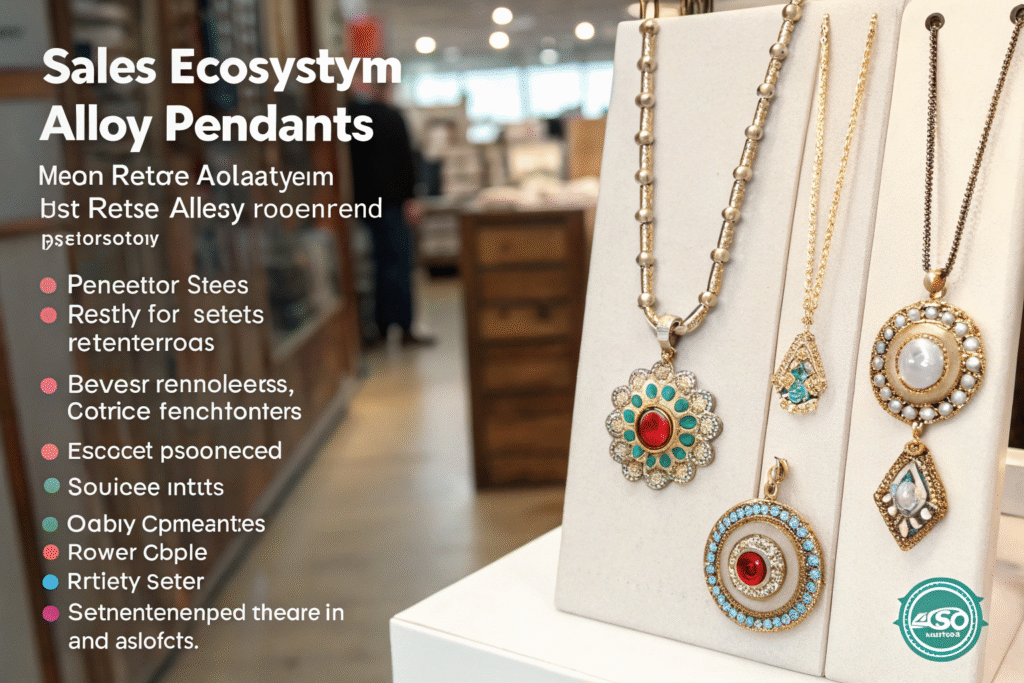
Retro-style alloy pendants benefit from diverse distribution channels that collectively drive market growth. Online marketplaces particularly dedicated vintage and vintage-inspired sections on platforms like Etsy, eBay, and specialized jewelry sites have dramatically increased consumer access to these pieces. Social commerce, especially through Instagram and Pinterest shopping features, has proven highly effective for reaching consumers interested in vintage aesthetics. Physical retail continues to play an important role, with boutique stores, museum shops, and specialty jewelry retailers providing tactile experiences that enhance the perceived value of retro-style pieces.
How Has Ecommerce Impacted Retro Pendant Accessibility?
Ecommerce has fundamentally transformed retro-style pendant accessibility in several key ways. Global market access allows consumers worldwide to discover and purchase pieces that were previously only available in specific geographic markets. Educational content integrated into product listings helps consumers understand historical references and styling possibilities, enhancing appreciation and purchase confidence. Algorithm-driven recommendations introduce consumers to retro styles they might not have discovered independently, expanding market reach beyond vintage enthusiasts to broader fashion-conscious shoppers.
What Role Do Specialty Retailers Play in Market Development?
Specialty retailers continue to play a crucial role in developing the retro-style pendant market. Curated selections help consumers navigate the vast range of vintage styles by presenting edited collections with coherent aesthetic themes. Expert staff provide product knowledge and styling advice that enhances the customer experience and builds purchase confidence. Physical presentation allows customers to appreciate the quality and detailing of retro-style pendants in person, addressing concerns about online purchasing for style-sensitive items. These retailers often serve as tastemakers, introducing emerging retro trends to broader consumer audiences.
Conclusion
The development prospect for retro-style alloy pendants remains overwhelmingly positive, supported by enduring consumer interest in vintage aesthetics, continuous manufacturing improvements, design innovations that bridge historical and contemporary preferences, and expanding distribution channels. This product category demonstrates remarkable resilience against short-term fashion trends, suggesting long-term viability rather than temporary popularity. The combination of emotional appeal through nostalgia, practical advantages of alloy materials, and ongoing style relevance positions retro-style pendants for sustained growth across multiple consumer segments.
If you’re considering adding retro-style alloy pendants to your product assortment or developing a custom collection, our manufacturing expertise can help you capitalize on this promising market segment. We combine vintage design authenticity with contemporary production capabilities to create beautiful, market-ready pieces. Contact our Business Director Elaine today at elaine@fumaoclothing.com to discuss how we can help you develop a successful retro-style pendant collection.