Scarf design optimization requires balancing aesthetic appeal, functional performance, manufacturing efficiency, and market relevance. Through our extensive experience developing scarf collections for diverse markets, we’ve established systematic approaches to refining scarf designs across multiple dimensions to create products that delight customers while maintaining commercial viability.
Optimizing scarf design involves refining dimensions and proportions for superior drape, selecting materials that enhance both aesthetics and performance, developing patterns with strategic scale and placement, incorporating functional details that improve usability, and aligning designs with target market preferences and wearing contexts.This comprehensive approach transforms basic scarf concepts into refined accessories with compelling user experiences.
Design optimization addresses both tangible qualities like fabric hand and drape, and intangible elements like emotional resonance and brand alignment. Let’s examine the specific strategies that elevate scarf designs from ordinary to exceptional.
How can dimensions and proportions be optimized for superior wearability?
Scarf dimensions fundamentally influence how scarves look, feel, and function when worn. Optimal proportions balance visual impact with practical considerations like ease of styling, comfort, and versatility across different wearing methods.
Strategic dimensioning creates scarves that feel intentional and refined rather than arbitrarily sized.
What length-to-width ratios create the most versatile scarves?
Different aspect ratios serve distinct styling purposes and should be selected based on intended use. We’ve identified classic square dimensions (approximately 90x90cm to 140x140cm) as ideal for traditional folding and tying techniques, particularly for decorative neckwear. Rectangular proportions ranging from slender (30x150cm) to generous (70x200cm) offer graduated styling options from simple loops to dramatic wraps. Oversized dimensions (100x200cm or larger) create statement pieces that work as shawls, wraps, or even lightweight blankets. The most versatile collections include multiple proportion options that cater to different styling preferences and body types rather than standardizing on a single dimension.
How does weight distribution affect drape and comfort?
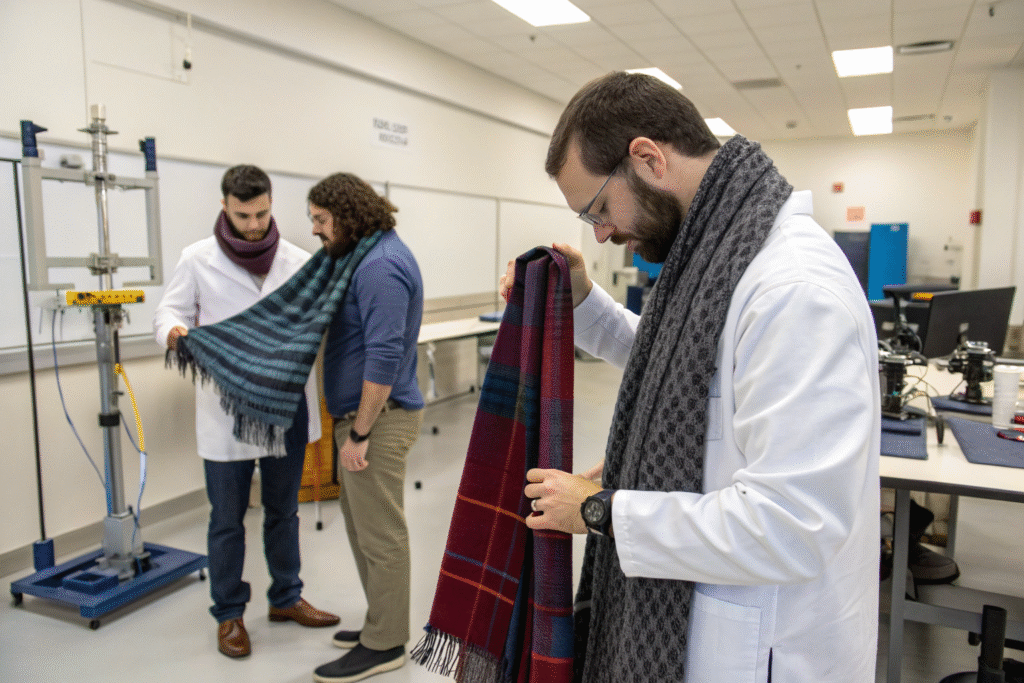
Beyond length and width, weight characteristics significantly impact scarf performance. We optimize graduated density where scarves have slightly more substantial edges that encourage better draping while maintaining lightweight centers for comfort. Balanced weight distribution that prevents certain areas from pulling or hanging awkwardly. Strategic lightweight zones at folding points that reduce bulk when tying or knotting. The most comfortable scarves undergo drape testing on various body types to identify and correct proportion issues that might not be apparent when viewing scarves flat.
What material selections optimize both aesthetics and performance?
Material choice represents perhaps the most significant design optimization opportunity, influencing everything from visual appearance to tactile experience, durability, and care requirements. Optimal material selection matches fiber properties to intended use contexts.
Strategic material specification creates scarves that look beautiful while performing well in their intended wearing scenarios.
How do fiber characteristics influence scarf performance?
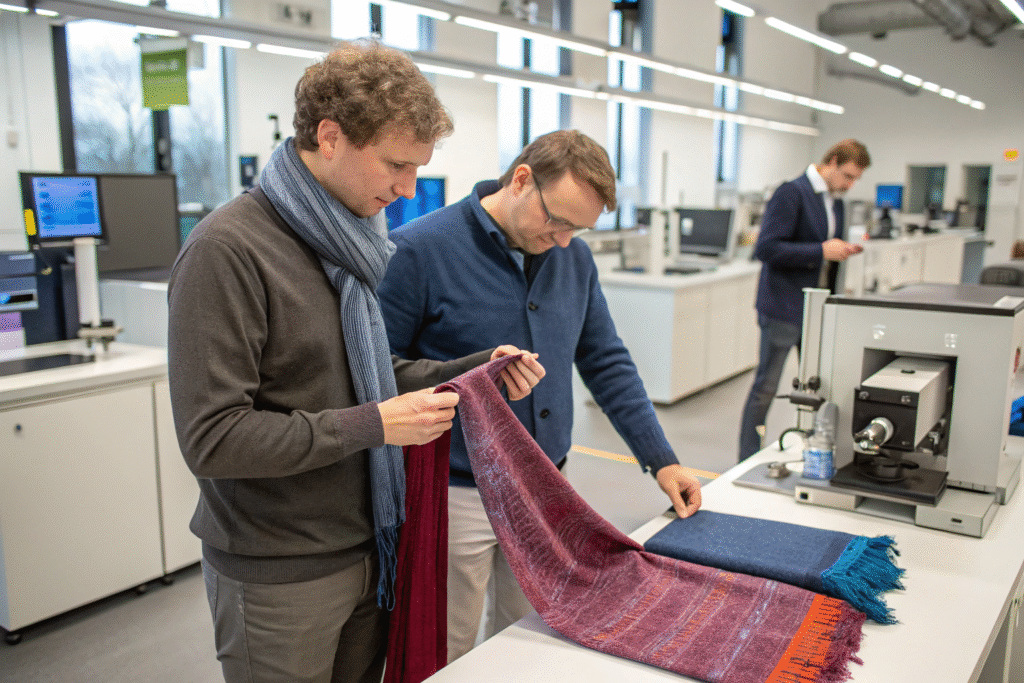
Different fibers offer distinct advantages that should be aligned with design intentions. We optimize natural fiber selections like cashmere, silk, and fine wool for luxury scarves where hand-feel and drape are prioritized. Technical blends incorporating moisture-wicking, stretch, or thermal properties for performance-oriented scarves. Care-appropriate combinations that balance aesthetic qualities with practical maintenance requirements for different customer segments. Seasonally-optimized materials that provide appropriate warmth or coolness for specific climate conditions. The most successful material specifications create coherent material stories where fiber choices clearly support the scarf’s intended wearing context and price positioning.
How do fabric constructions enhance design outcomes?
Beyond fiber selection, fabric construction significantly influences scarf characteristics. We optimize weave structures that create desirable drape properties—perhaps loose weaves for fluidity or tight weaves for structure. Knit techniques that produce appropriate stretch and recovery for different styling needs. Surface treatments that enhance visual interest through texture while maintaining comfort against skin. Weight specifications that ensure scarves feel substantial without being burdensome. The most refined constructions undergo iterative sampling to perfect the relationship between material, construction, and finished product characteristics.
How can pattern design be optimized for scarves?
Pattern represents a powerful design element that must be carefully optimized for the unique canvas that scarves provide. Successful scarf patterns consider scale, placement, orientation, and color application to create compelling visual experiences that work across various wearing styles.
Pattern optimization ensures designs remain effective whether scarves are worn folded, draped, or tied.
What scale and repetition principles create successful scarf patterns?
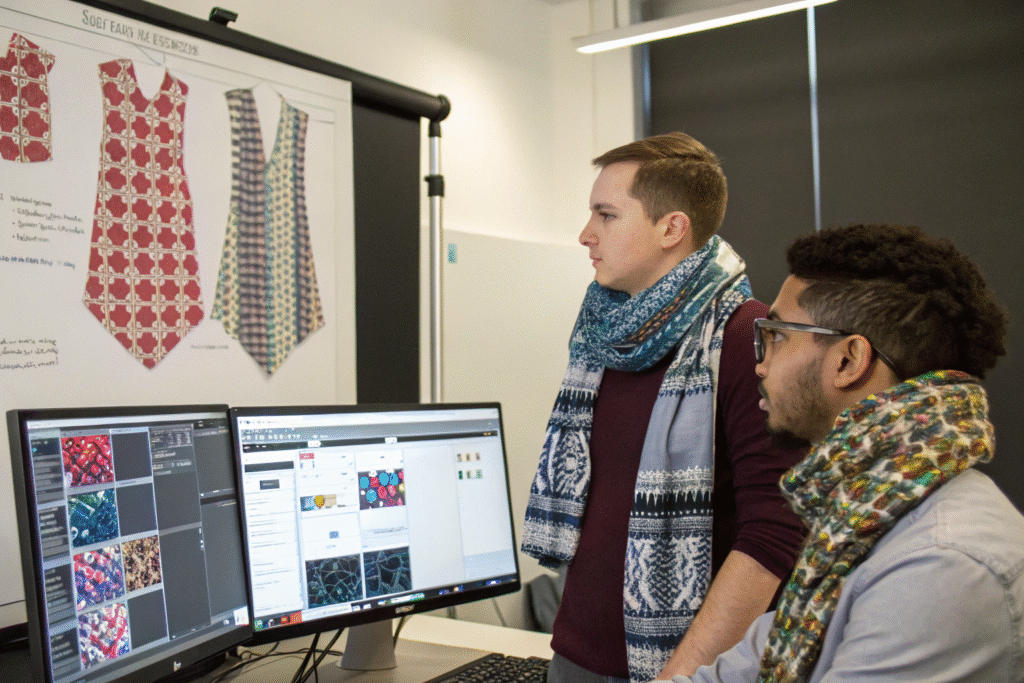
Pattern dimensions and repetition significantly impact how designs appear when worn. We optimize scale relationships between pattern elements and scarf dimensions to create cohesive compositions. Strategic repetition systems that create rhythm without monotony, particularly important in border designs and all-over patterns. Directional considerations that ensure patterns work in multiple orientations since scarves are rarely viewed from a single angle when worn. Focal point placement that positions key pattern elements where they’ll be most visible in common wearing styles. The most successful patterns undergo digital draping simulation to visualize how they’ll appear in various wearing configurations before committing to production.
How does color application enhance pattern effectiveness?
Color represents an essential component of pattern optimization, influencing both aesthetic appeal and versatility. We optimize color value relationships that maintain pattern clarity even when scarves are viewed from a distance. Strategic color placement that creates visual interest while guiding how scarves might be folded or styled. Color versatility that ensures patterns work with various outfit color palettes rather than limiting coordination options. Seasonal color appropriateness that aligns with broader fashion color directions while maintaining some timeless appeal. The most sophisticated color applications create visual depth and movement that makes patterns feel alive and engaging when worn.
What functional details significantly improve scarf usability?
Beyond aesthetic considerations, thoughtful functional details can dramatically enhance how scarves are experienced and used. These practical elements often represent the difference between scarves that are merely beautiful and those that become wardrobe staples.
Functional optimization addresses real-world wearing experiences and practical concerns.
Which construction details enhance wearing experience?
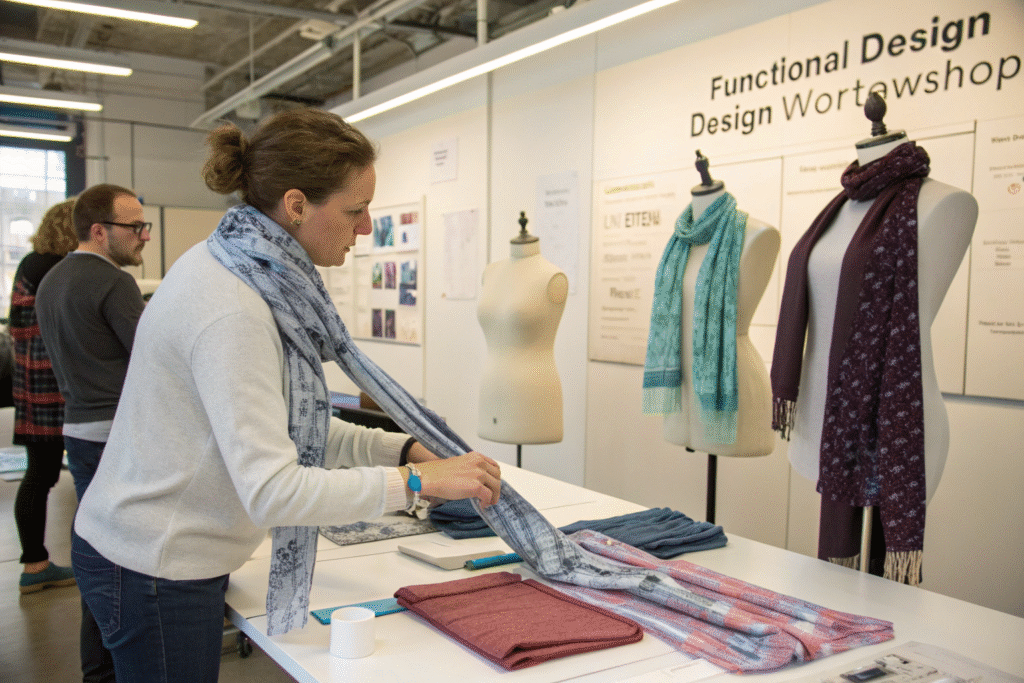
Specific construction elements significantly impact comfort and usability. We optimize edge treatments that prevent curling or fraying while maintaining flexible drape—perhaps hand-rolled edges for luxury scarves or laser-cut edges for technical fabrics. Seam placements that remain comfortable and invisible when worn, particularly important in infinity styles and joined scarves. Weight distribution through strategic fabric layering or subtle weighting that encourages scarves to hang properly. Flexibility considerations that ensure scarves can be tied and styled without excessive bulk at gathering points. The most user-centered designs incorporate wear-testing feedback to identify and resolve functional issues that might not be apparent during design development.
How can care and maintenance be designed into scarves?
Practical considerations like cleaning and storage significantly influence long-term customer satisfaction. We optimize care compatibility by selecting materials and constructions that align with target customers’ maintenance preferences and capabilities. Stain resistance treatments that protect vulnerable areas without compromising hand-feel or appearance. Wrinkle resistance through fiber selection or construction techniques that ensure scarves look presentable after storage or travel. Storage considerations like fold lines that enhance rather than detract from appearance when scarves are stored between uses. The most practical designs acknowledge that scarves exist within real-world clothing care ecosystems rather than ideal conditions.
How can designs be optimized for specific markets and contexts?
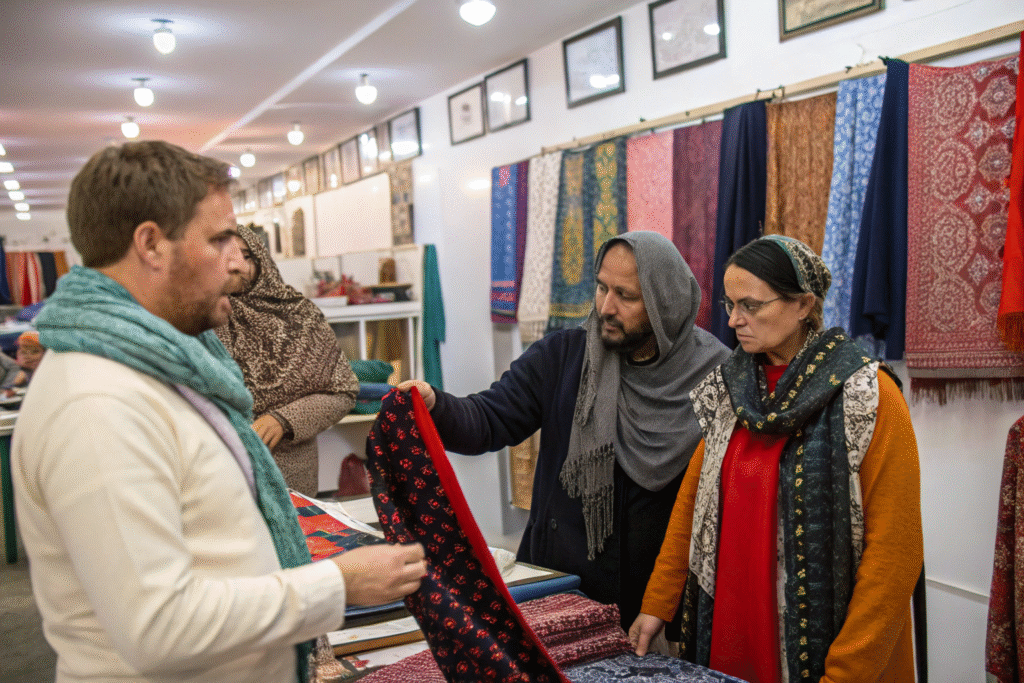
Scarf designs must resonate with their intended audiences and suit their primary wearing contexts. Market-specific optimization ensures designs align with cultural preferences, styling habits, and practical requirements of target customers.
Contextual optimization creates scarves that feel personally relevant rather than generically attractive.
How do cultural preferences influence design optimization?
Different markets exhibit distinct preferences that should inform design decisions. We optimize color symbolism according to cultural associations in target regions—perhaps avoiding certain color combinations in specific markets. Pattern meanings that respect cultural traditions and symbolic interpretations. Modesty considerations that address coverage expectations in different cultural contexts. Styling compatibility with traditional or regional clothing styles that might influence how scarves are worn. The most culturally sensitive designs undergo local market validation to ensure they resonate appropriately rather than making assumptions based on external perspectives.
How can designs be optimized for specific wearing contexts?
Scarves serve different purposes across various wearing situations that should inform design choices. We optimize professional context appropriateness for scarves intended primarily for work environments. Casual versatility for everyday scarves that need to transition across multiple activities. Special occasion sophistication for scarves destined for formal events or evening wear. Travel practicality for scarves that will be used during transportation and tourism. The most context-appropriate designs consider the complete wearing experience rather than just visual appearance when stationary.
Conclusion
Optimizing scarf design requires systematic attention to dimensions, materials, patterns, functional details, and market alignment to create products that deliver both aesthetic satisfaction and practical performance. The most successful optimizations address all these dimensions cohesively, creating scarves that feel intentionally refined rather than accidentally successful. This comprehensive approach results in scarves that customers cherish for both their beauty and their usability, building brand loyalty through products that genuinely enhance wearing experiences.
If you’re looking to optimize your scarf designs for improved market performance and customer satisfaction, we invite you to contact our Business Director, Elaine. Our experience across design refinement dimensions can help you elevate your scarf collections. Reach her at: elaine@fumaoclothing.com.