The integration of technology into fashion accessories has evolved from novelty to strategic product category, creating new functionality while maintaining aesthetic appeal. Through our development of smart accessories for various brands, we’ve identified which traditional accessories most effectively incorporate technology to deliver genuine value beyond basic connectivity.
Fashion accessories that can be effectively produced as smart accessories include jewelry with discreet technology integration, bags with practical electronic features, wearable tech that prioritizes fashion aesthetics, belts with functional enhancements, and hair accessories that incorporate subtle technology—all balancing technological capability with fashion sensibility.These categories represent the intersection of technical feasibility, user benefit, and fashion compatibility.
Successful smart accessories enhance rather than replace traditional accessory functions while introducing new capabilities that justify their technological complexity. Let’s explore the specific accessory categories where technology integration delivers the most compelling user experiences.
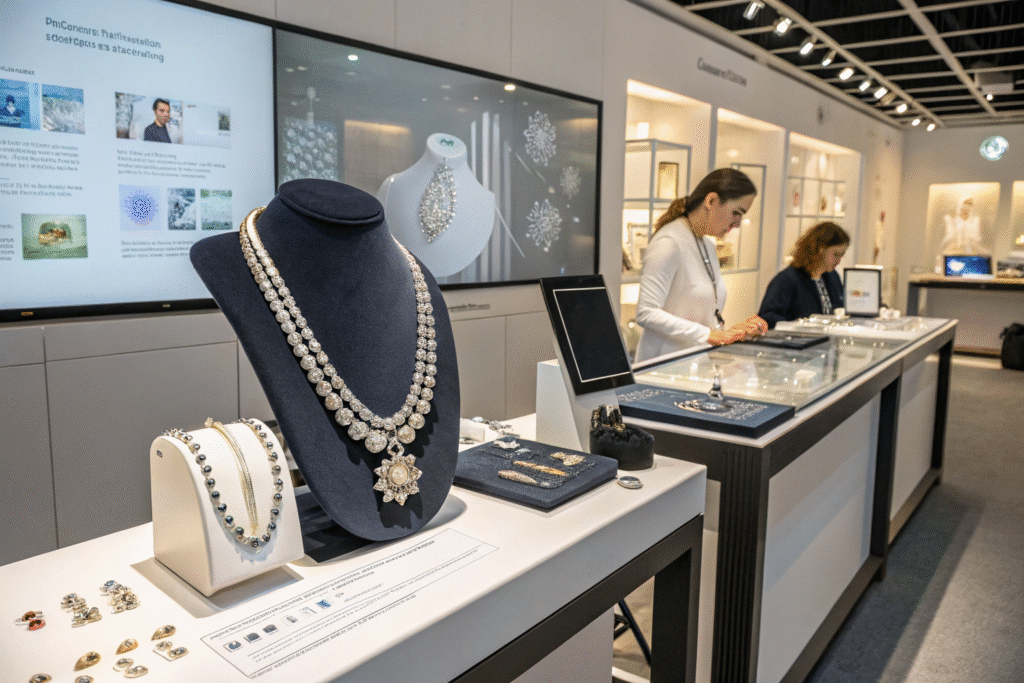
How can jewelry incorporate technology while maintaining elegance?
Jewelry represents perhaps the most challenging yet rewarding category for smart accessory development, requiring perfect balance between technological capability and aesthetic refinement. Successful smart jewelry feels like beautiful jewelry first, with technology enhancing rather than dominating the user experience.
The intimacy of jewelry-wearing creates unique opportunities for discreet, personal technology integration.
What jewelry forms accommodate technology most elegantly?
Certain jewelry styles naturally accommodate technology while maintaining their aesthetic integrity. We’ve developed smart rings with minimalist profiles that incorporate NFC technology for authentication, payments, or access control while appearing as fine jewelry. Bracelets and bangles with slightly enlarged forms that house sensors for activity tracking, stress monitoring, or gesture control without appearing bulky. Pendants and lockets that naturally provide interior space for electronics while offering surface area for beautiful materials and craftsmanship. Ear cuffs and architectural earrings with structured forms that discreetly incorporate speakers or health monitoring sensors. The most successful implementations use technology as design inspiration rather than treating it as something to conceal.
How do power and connectivity solutions maintain jewelry aesthetics?
Technical requirements like charging and connectivity often challenge jewelry aesthetics. We’ve implemented inductive charging systems that eliminate visible ports while allowing jewelry to charge in elegant docking stations. Energy-harvesting mechanisms that extend battery life through kinetic, solar, or thermal energy capture. Bluetooth Low Energy connectivity that minimizes power requirements while maintaining necessary functionality. Modular power systems where decorative elements can be detached for charging while the jewelry remains wearable. The most elegant solutions treat technical requirements as design opportunities rather than compromises, creating jewelry that feels cohesive rather than adapted.
What bag categories benefit from smart features?
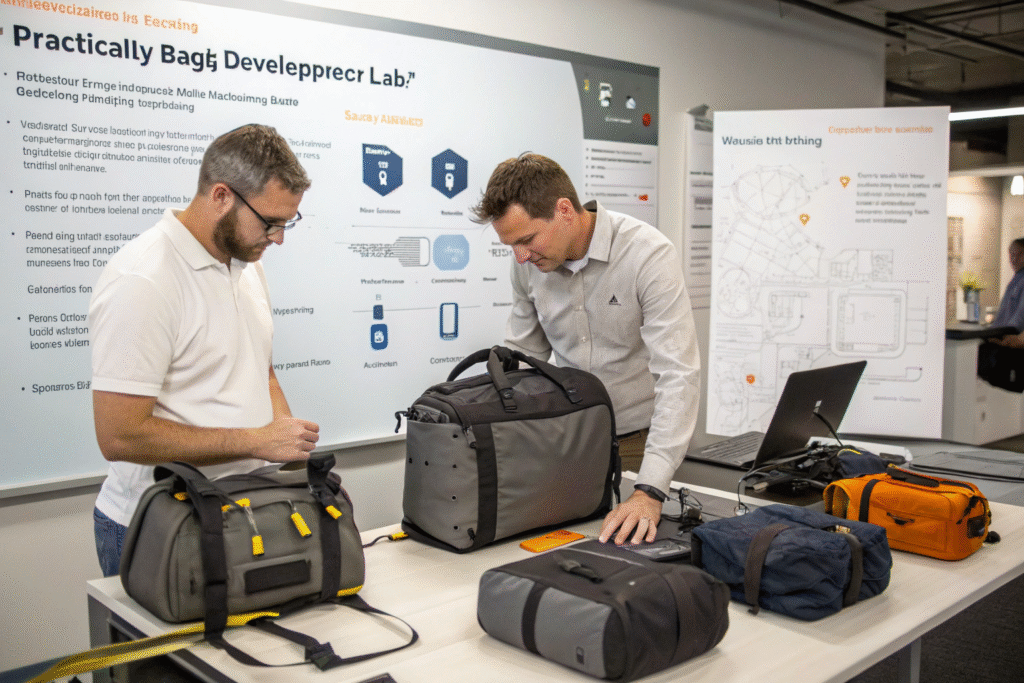
Bags naturally accommodate technology due to their size and carrying function, but successful smart bags integrate features that enhance rather than complicate the user experience. The most compelling smart bag features address genuine user frustrations or create new capabilities that justify the technology integration.
Smart bags should feel like better bags, not like technology products with carrying straps.
What practical technologies enhance bag functionality?
The most successful smart bag features solve specific problems bag-wearers encounter. We’ve developed integrated location tracking that helps users find misplaced bags without adding bulky external trackers. Weight sensors that alert users when bags are overloaded or when items are removed. Automated inventory systems that use RFID or similar technology to track contents. Smart charging power banks with optimized placement and capacity for modern device needs. The most valued features address universal bag frustrations like losing items, carrying excessive weight, or running out of battery power at critical moments.
How do smart security features protect belongings?
Security represents a natural application for bag technology, particularly for urban commuters and travelers. We’ve implemented proximity alerts that notify users when bags move beyond a specified distance. Biometric opening systems that provide security without cumbersome locks or combinations. Theft deterrent features including alarm systems, tracking capabilities, and remote locking. Damage monitoring that detects cutting attempts or unusual impact. The most effective security features provide peace of mind without constant attention, working discreetly in the background until needed.
Which wearable categories balance tech and fashion most effectively?
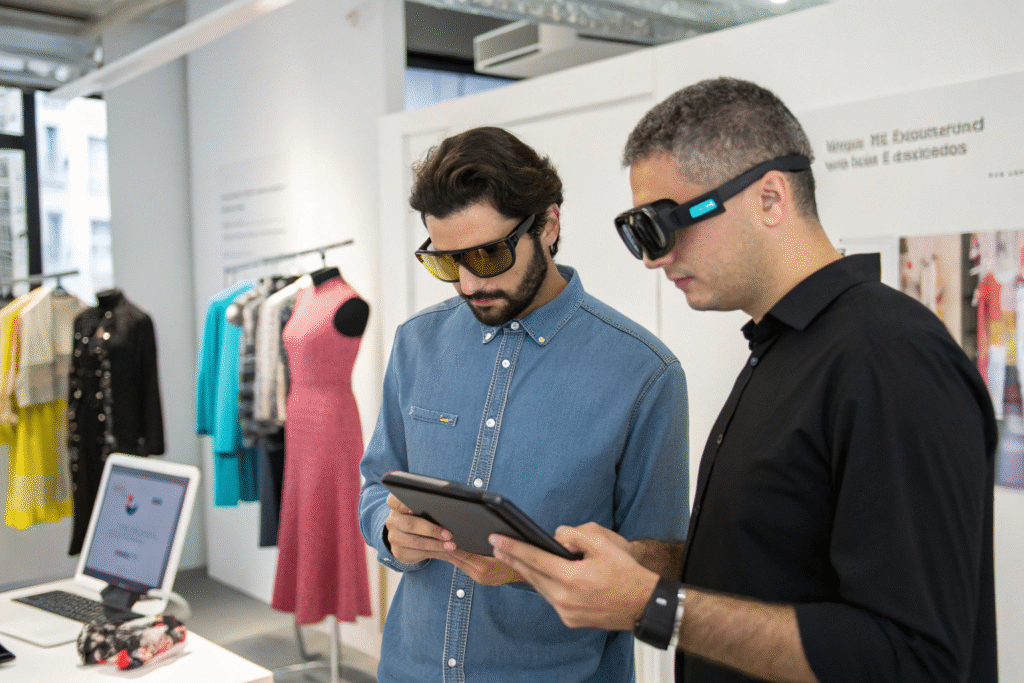
Beyond jewelry, several wearable accessory categories successfully incorporate technology while maintaining fashion credibility. These accessories leverage their position on the body to provide functionality that standalone devices cannot match.
Successful tech wearables feel like fashion choices first, with technology enhancing their appeal rather than requiring aesthetic compromise.
How can eyewear incorporate useful technology?
Eyewear’s position on the face creates unique opportunities for technology integration. We’ve developed smart sunglasses with photochromic lenses that adjust to light conditions while incorporating discreet activity tracking. Hearing enhancement frames that provide subtle audio amplification while appearing as fashion eyewear. Recording capabilities integrated into standard-looking glasses for professionals who need hands-free documentation. Display technology that provides contextual information without obstructing vision. The most successful smart eyewear maintains standard eyewear aesthetics and comfort while adding functionality that doesn’t interfere with their primary purpose of vision correction or sun protection.
What scarf and clothing technologies provide genuine value?
Textile-based accessories offer large surface areas for technology integration. We’ve implemented heated scarves and shawls with discreet warming elements for cold weather comfort. Light-integrated accessories with fiber optics or micro-LEDs for visibility and style. Posture-correcting garments that provide gentle feedback when users slump. Compression technology that can be activated for athletic recovery or travel. The most valued textile technologies address universal comfort or practical needs rather than creating technology for its own sake.
How can belts incorporate practical technology?
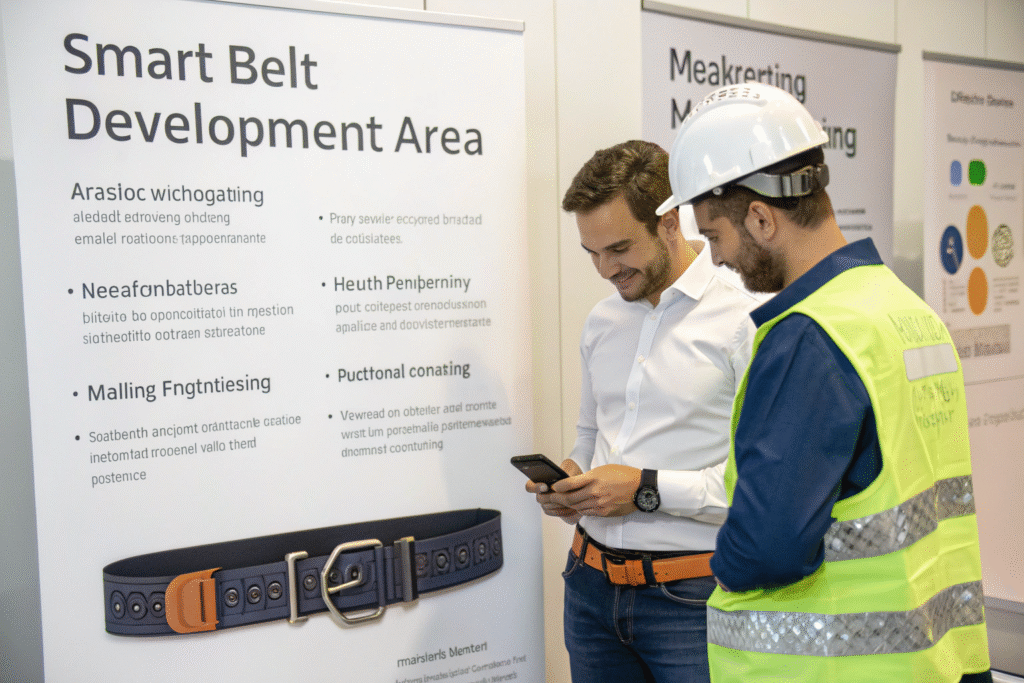
Belts represent an underutilized category for smart accessories, with their central positioning and consistent wear offering unique opportunities for technology integration. Smart belts can provide functionality that other accessories cannot due to their placement and constant contact with the body.
Successful smart belts maintain their fundamental function while adding capabilities that leverage their strategic position.
What health monitoring can belts provide?
The belt’s position at the body’s core enables unique health monitoring capabilities. We’ve developed posture tracking belts that provide feedback on sitting and standing posture throughout the day. Breathing monitoring systems that track respiration patterns for stress management and fitness optimization. Core temperature sensors that provide more accurate body temperature data than wrist-worn devices. Activity tracking that captures different movement patterns than wrist-based trackers. The most valuable health applications leverage the belt’s unique anatomical position to gather data that other wearables cannot capture effectively.
What practical features enhance belt functionality?
Beyond health monitoring, belts can incorporate various practical technologies. We’ve implemented smart sizing systems that allow automatic adjustment for comfort when sitting versus standing. Integrated storage for small essentials like keys, cards, or emergency medication. Safety features including emergency alert systems or personal lighting. Tool integration that provides quick access to frequently needed implements. The most practical enhancements address everyday carrying and comfort needs that belt-wearers already experience rather than introducing completely new behaviors.
What hair accessories can discreetly incorporate technology?
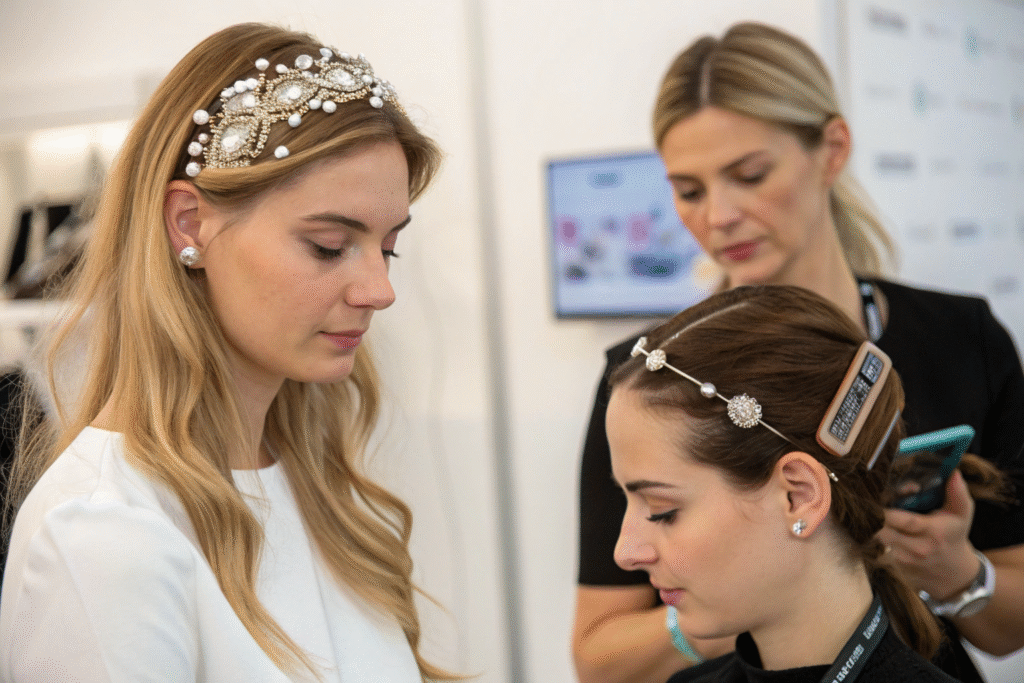
Hair accessories represent a challenging but promising category for technology integration, with their proximity to the head creating opportunities for unique functionality. Successful smart hair accessories must be lightweight, comfortable, and maintain their primary aesthetic purpose.
The most compelling smart hair accessories solve problems specific to hair management or leverage their head-adjacent position.
How can technology enhance hair accessory function?
Basic hair management presents opportunities for technological enhancement. We’ve developed tension-monitoring hair ties that alert users when hair is being pulled too tightly. Smart hair brushes that incorporate sensors to monitor hair health and brushing technique. Automated styling tools that adjust temperature or settings based on hair type and condition. Damage prevention systems that warn users about harmful styling practices. The most functional enhancements address genuine hair care concerns that users already recognize and attempt to manage.
What unique capabilities can head-worn accessories provide?
The hair accessory position enables certain functions that other wearables cannot provide effectively. We’ve implemented discreet bone conduction audio in headbands and larger hair clips that doesn’t block environmental sounds. Headache relief technology using subtle vibration or thermal therapy. Sleep monitoring through hair accessories designed for overnight wear. Environmental sensors that monitor UV exposure or air quality at head level. The most innovative applications leverage the unique positioning of hair accessories to provide functionality that complements rather than duplicates other smart devices.
Conclusion
Fashion accessories that can be effectively produced as smart accessories include jewelry, bags, wearables, belts, and hair accessories that incorporate technology to enhance their fundamental functions while maintaining their fashion integrity. The most successful smart accessories solve specific user problems, leverage their unique positioning on the body, and maintain aesthetic appeal that justifies their wearing regardless of technological features. This approach creates accessories that feel like natural fashion choices first, with technology enhancing rather than defining the user experience.
If you’re considering developing smart accessories for your fashion brand, we invite you to contact our Business Director, Elaine. Our experience balancing technology and fashion can help you create compelling smart accessories that resonate with your customers. Reach her at: elaine@fumaoclothing.com.