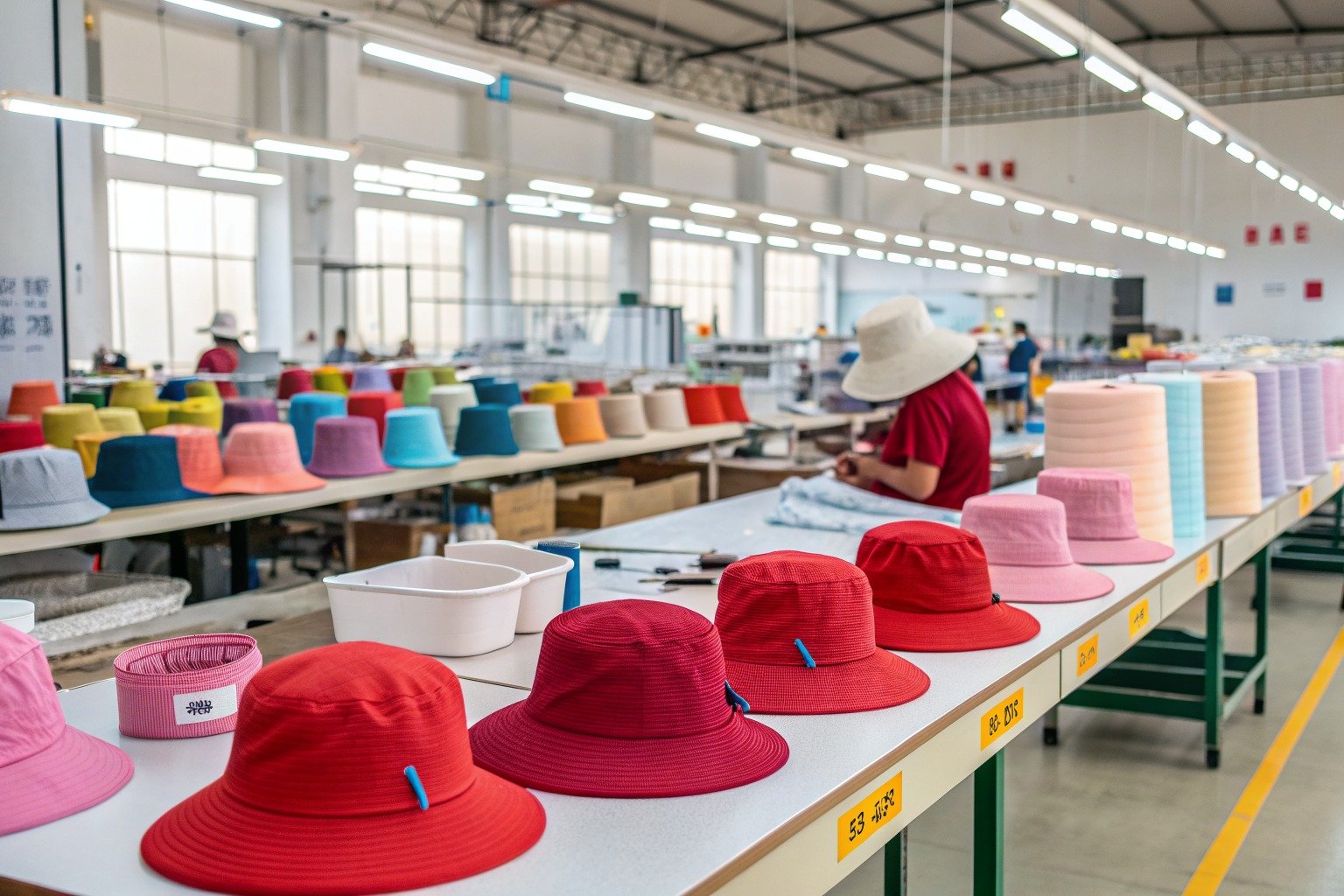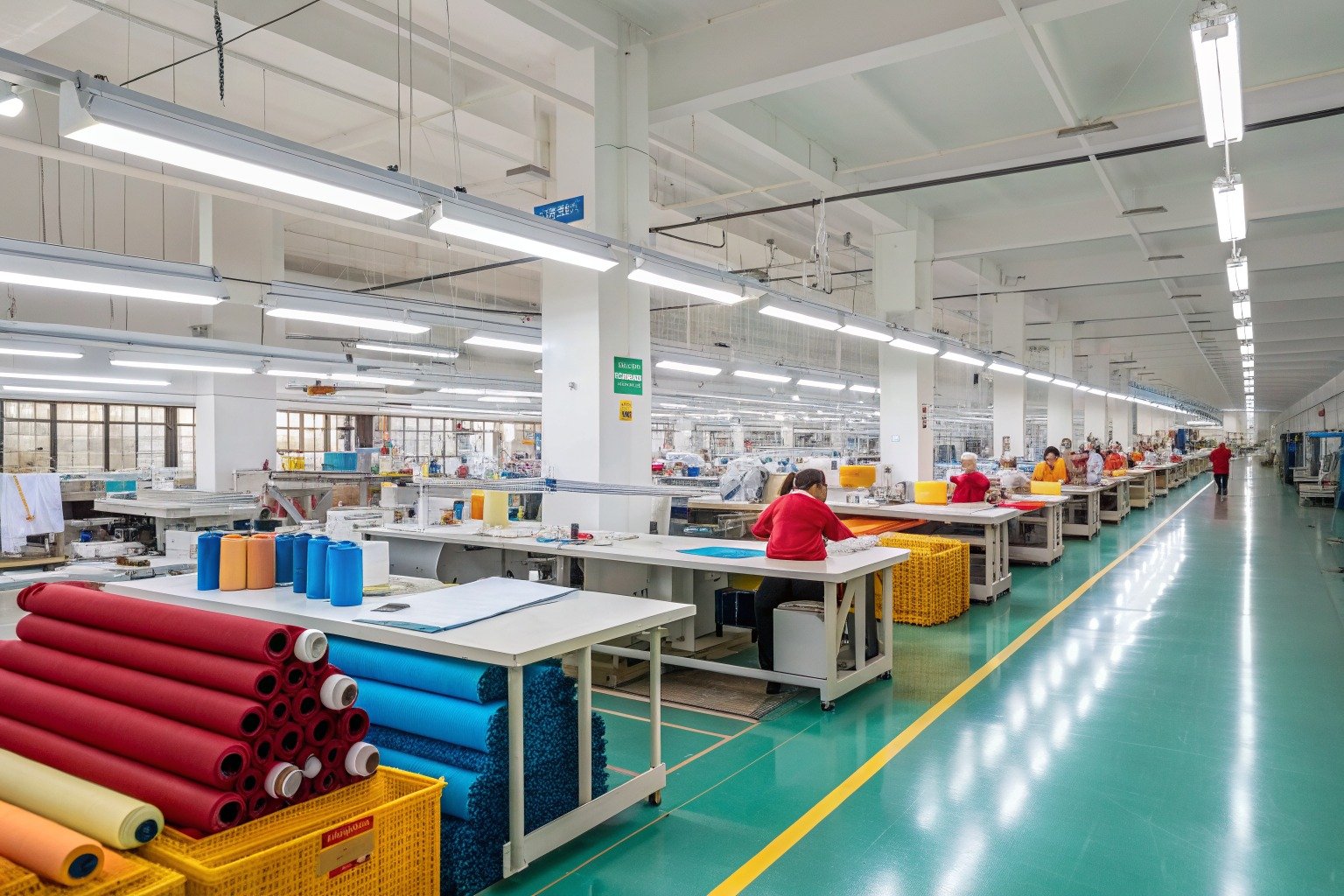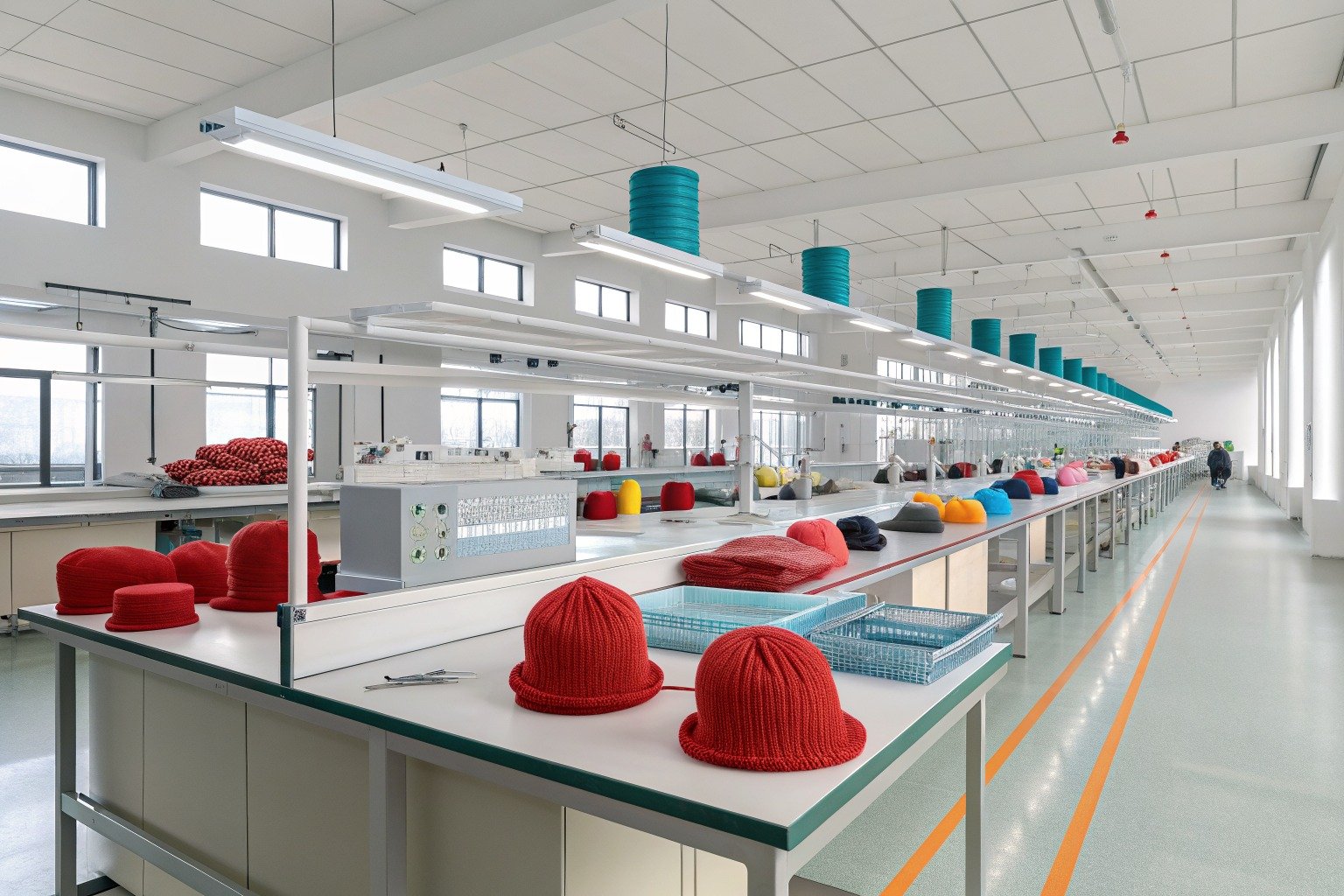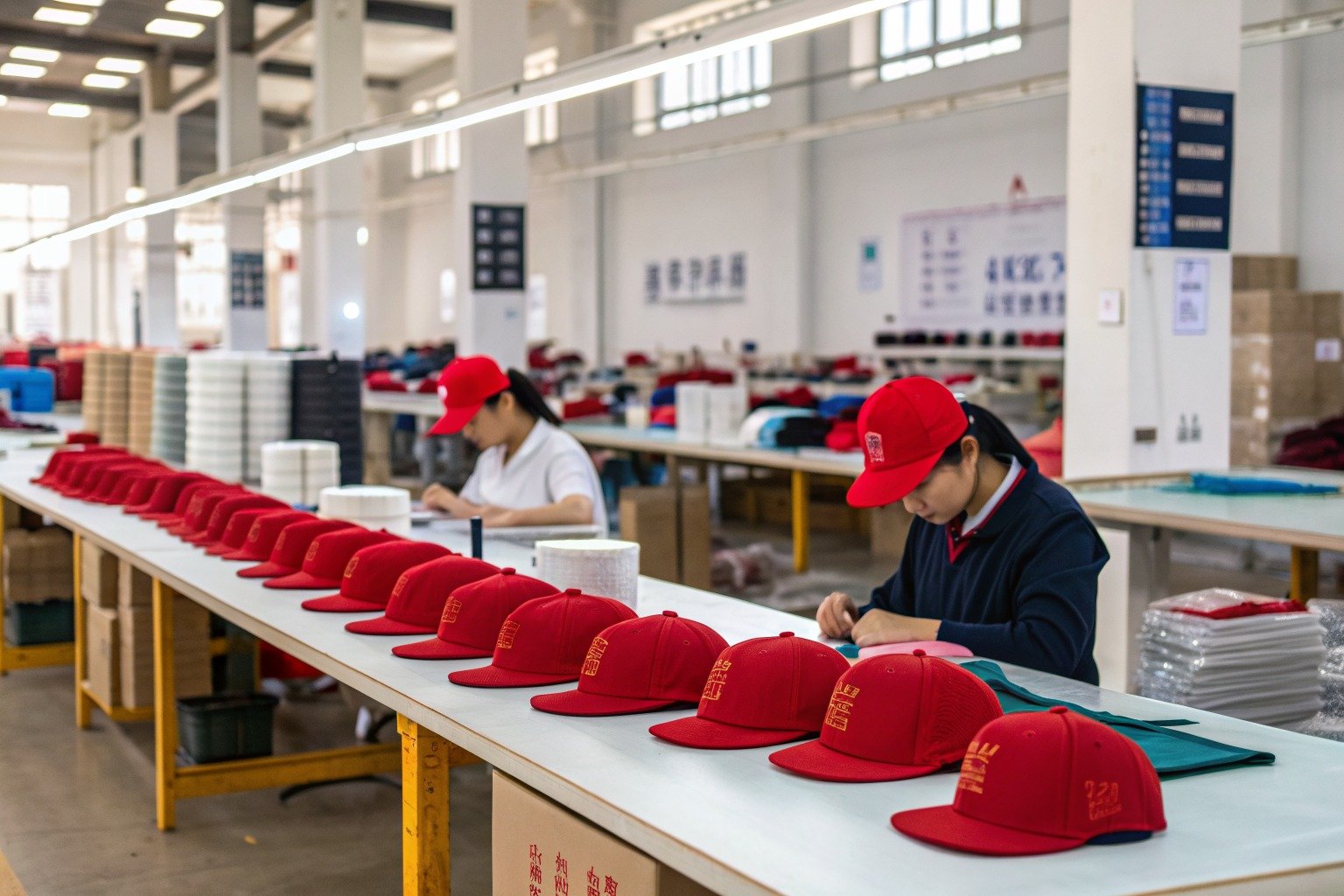
Finding the perfect balance between cost and quality in hair accessories represents one of the most challenging aspects of product development. Price too high and you lose price-sensitive customers; cut costs too aggressively and quality suffers, damaging brand reputation. Through our extensive manufacturing experience serving diverse markets from value retailers to luxury brands, we’ve developed systematic approaches to cost optimization that maintain style and quality while achieving target price points.
Balancing hair clip and headband costs requires strategic material selection, efficient production methods, smart design choices, and volume planning that collectively optimize value without compromising aesthetic appeal or functional performance.This multidimensional approach ensures products deliver perceived value that justifies their price while maintaining healthy profit margins.
Cost balancing isn’t about simple cost reduction—it’s about intelligent value engineering. Let’s examine the specific strategies that achieve optimal cost-quality balance across different hair accessory categories.
How does material selection impact cost structure?
Materials typically represent 40-60% of hair accessory costs, making strategic material choices the most significant factor in cost balancing. However, material decisions cannot be made in isolation from aesthetic requirements, functional needs, and consumer perceptions.
Intelligent material strategies combine cost-effective base materials with strategic enhancements that maximize perceived value while controlling actual production costs.
What are cost-effective alternative materials?
Direct material substitution often compromises quality, but strategic alternatives can maintain aesthetics while reducing costs. We’ve developed material substitution guidelines that identify where alternative materials deliver similar performance at lower cost—replacing solid metal components with metal-plated polymers for lightweight hair clips, using high-quality acrylic gems instead of glass for headband decorations, or selecting coated wires that prevent tarnishing without premium metal costs. Our material engineers test these alternatives for durability, colorfastness, and user safety to ensure they meet quality standards despite lower costs. The key is substituting invisibly—where consumers cannot detect the cost-saving measure without compromising their experience.
How does bulk material purchasing reduce costs?
Volume purchasing generates significant savings but requires careful inventory management. We leverage our collective purchasing power across multiple clients to negotiate better material pricing while maintaining quality standards. For headband materials, we maintain strategic fabric inventories of commonly used elastics, cottons, and synthetics that multiple clients can utilize. For hair clip components, we standardize hardware elements like springs, hinges, and clips across designs where possible. This approach reduces costs through volume pricing while minimizing inventory risks through shared utilization. The savings achieved are then reflected in more competitive pricing for our clients without quality reduction.
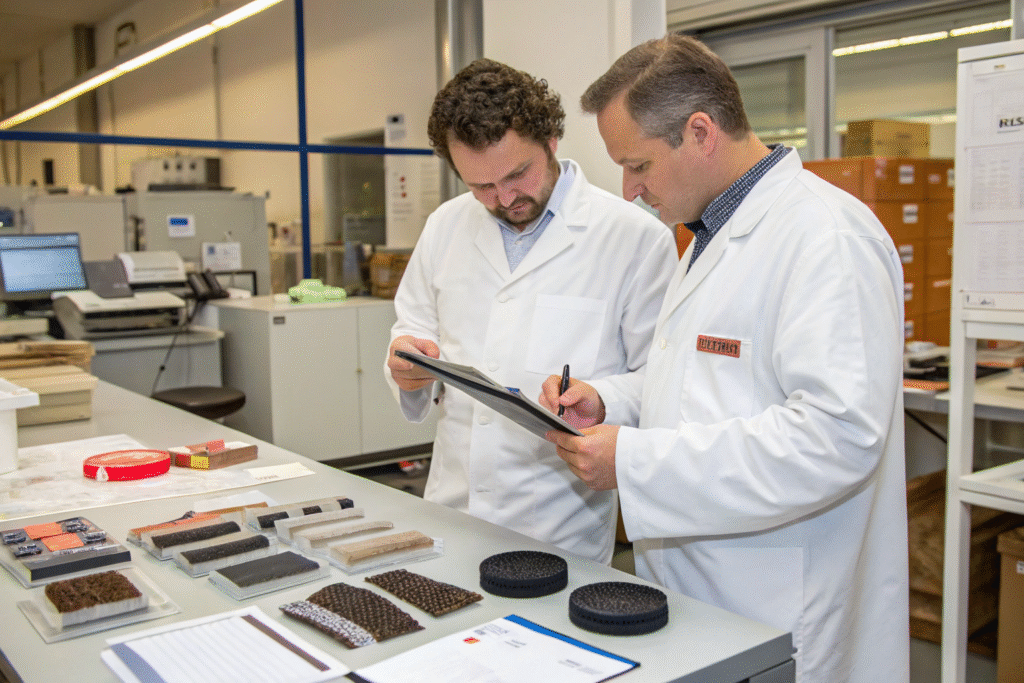
How do production methods affect cost efficiency?
Manufacturing processes significantly impact both fixed and variable costs, with different methods offering distinct advantages for various production volumes and complexity levels. Choosing the right production approach balances equipment costs, labor requirements, and production speed.
Matching production methods to specific product types and volumes ensures optimal efficiency without compromising the precision required for quality hair accessories.
When does automation reduce costs?
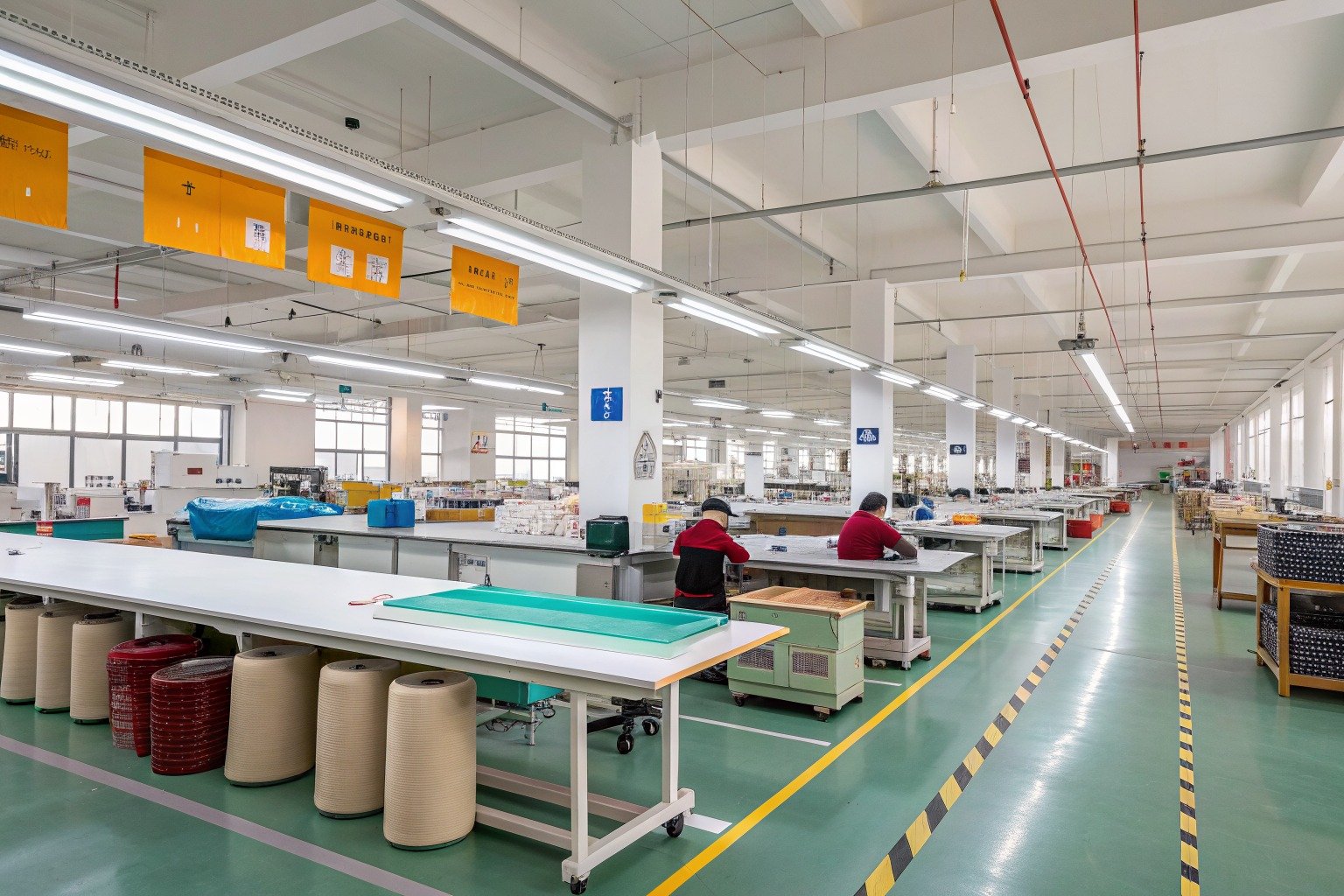
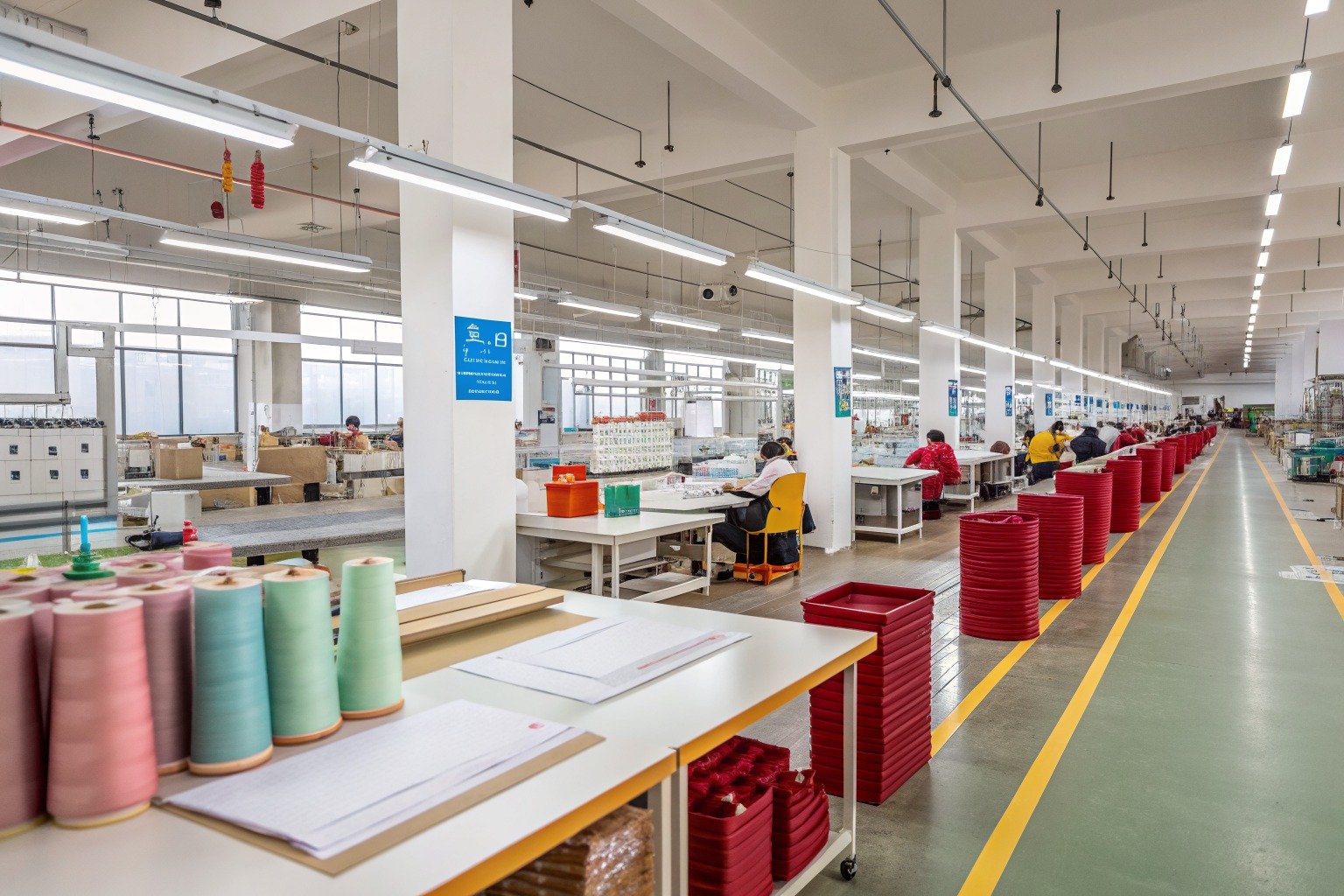
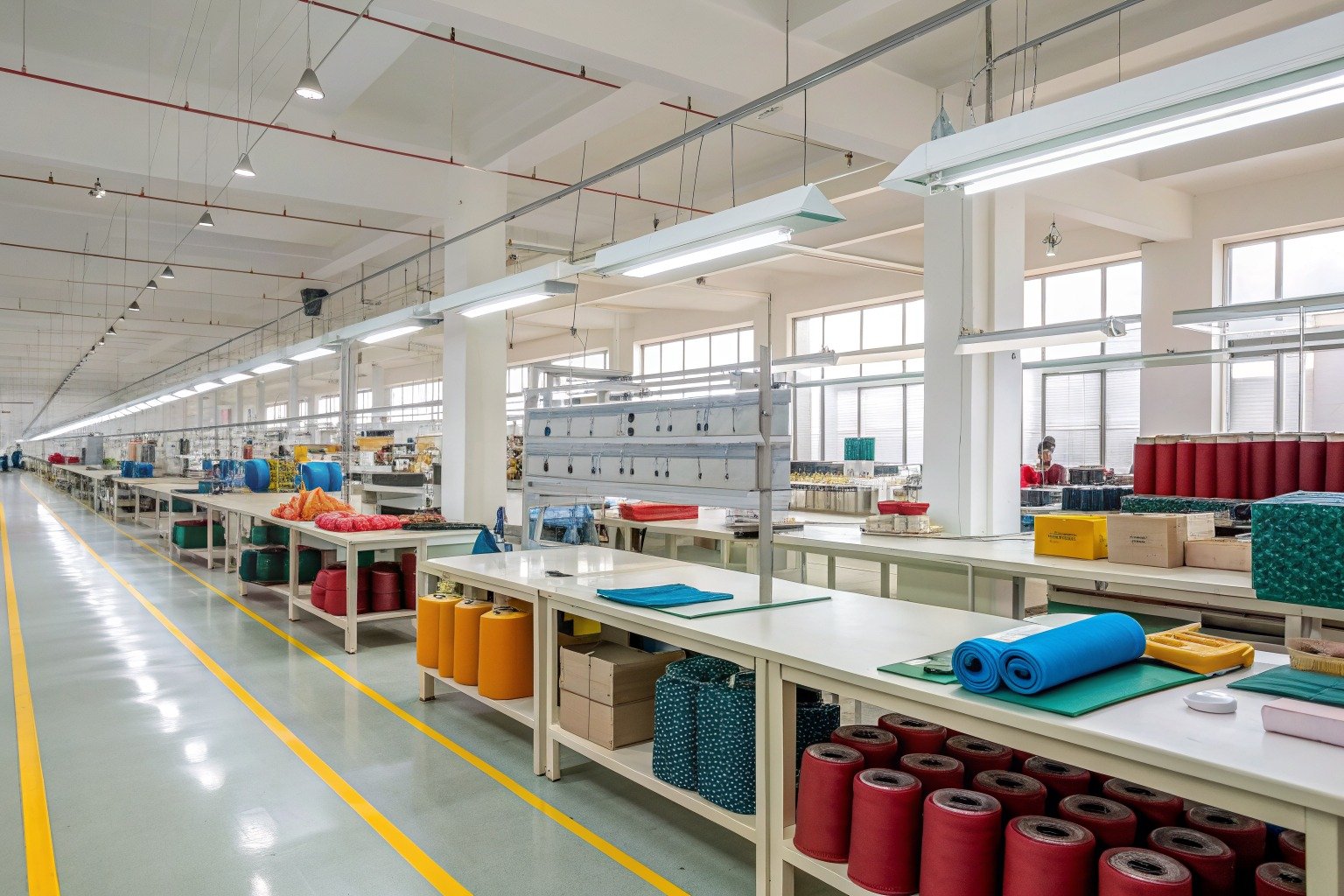
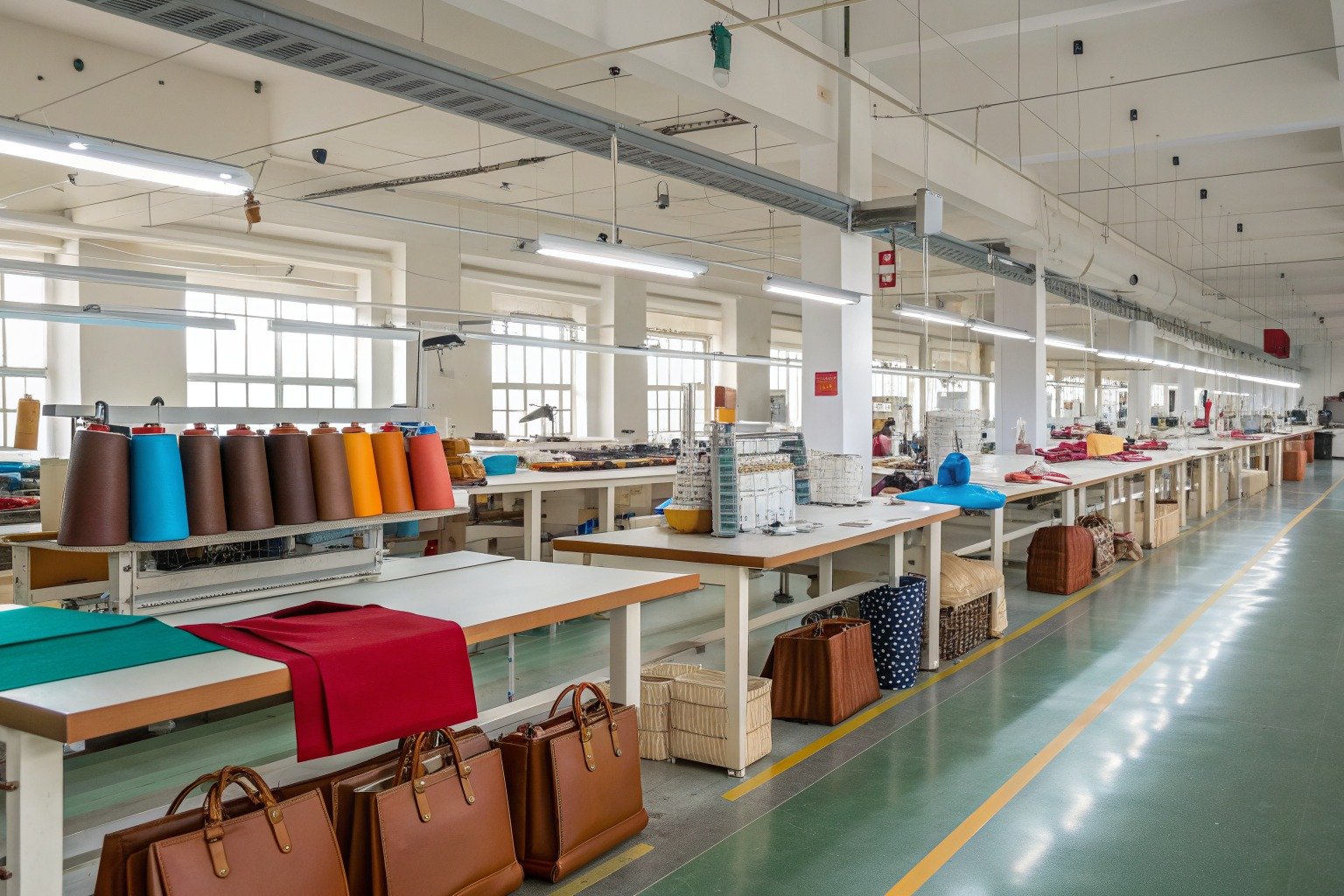
Automation delivers significant cost savings at volume but requires substantial initial investment. We’ve implemented graduated automation strategies where high-volume basic styles like simple hair clips and elastic headbands utilize fully automated production, while complex or low-volume fashion items employ skilled manual labor. Our production planning team analyzes break-even points for automation versus manual production based on order quantities, complexity, and expected repeat orders. For headbands with intricate decorations or hair clips with unusual shapes, we often use hybrid approaches where automation handles basic construction while artisans add decorative elements manually. This balanced approach optimizes costs across different product categories and volumes.
How does production localization impact total cost?
Manufacturing location decisions affect more than just labor rates—they influence shipping costs, import duties, and lead times. We maintain strategic production capabilities in different regions optimized for various cost structures. High-volume basic items might be produced in our specialized facilities focusing on efficiency, while fashion-forward items requiring quick response might be manufactured in locations closer to target markets despite slightly higher labor costs. Our total cost calculation models factor in all cost components—not just manufacturing but also logistics, tariffs, and inventory carrying costs—to determine the optimal production location for each hair accessory type and target market.
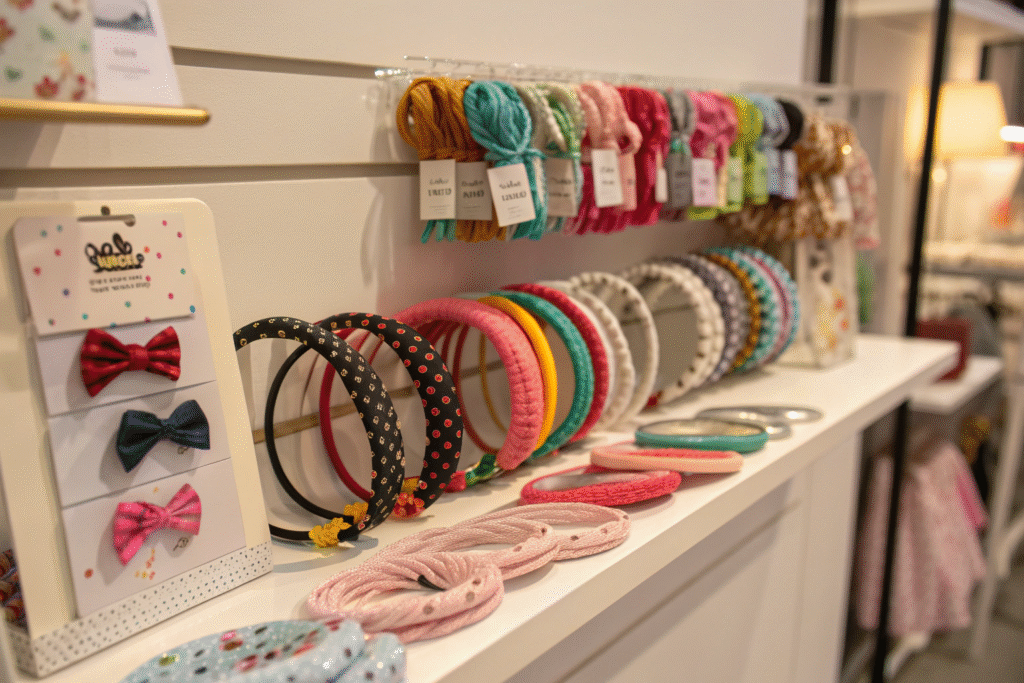
How can design choices optimize costs?
Design decisions made during product development lock in approximately 80% of final production costs, making early design-phase cost considerations critically important. Smart design choices can significantly reduce costs without visible quality compromises.
Design for Manufacturing and Assembly (DFMA) principles applied to hair accessories eliminate unnecessary complexity while maintaining aesthetic appeal and functional performance.
How does component standardization reduce costs?
Custom components dramatically increase costs through tooling investments and minimum order quantities. We’ve developed modular design systems for hair clips and headbands that utilize standardized components across multiple styles. Our hair clip designs share common base mechanisms with interchangeable decorative elements, while headbands use standardized core constructions with varied coverings and decorations. This approach spreads tooling costs across multiple products and enables larger production runs of shared components. The result is lower per-unit costs while maintaining design variety through strategic customization of visible elements rather than complete redesign of every component.
What design simplifications maintain aesthetics?
Complex designs often add cost without proportional value increases. Our design team employs value analysis techniques to identify and eliminate cost-driving complexities that consumers don’t value. This might mean simplifying closure mechanisms on headbands without reducing functionality, reducing part counts in hair clip assemblies while maintaining durability, or optimizing material usage through strategic hollow sections in plastic components. The key is removing cost without removing value—consumers should perceive the product as well-designed, not cheapened. We validate these simplifications through consumer testing to ensure perceived value aligns with cost reductions.

How does volume planning affect cost balance?
Production volume dramatically impacts per-unit costs through economies of scale, but excessive inventory risks can offset these savings. Strategic volume planning balances production efficiency with inventory management to achieve optimal cost positions.
Matching production quantities to sales patterns, seasonality, and product lifecycle stages ensures cost efficiency without excessive inventory risks.
How do minimum order quantities impact costs?
Manufacturing efficiency requires minimum production quantities, but these must align with sales forecasts. We help clients establish strategic MOQ policies that balance cost efficiency with inventory risk. For evergreen headband and hair clip styles with predictable demand, we recommend larger production runs that maximize cost efficiency. For fashion-forward items with uncertain demand, we suggest smaller initial runs with scalable production protocols that enable quick replenishment if items prove successful. Our production planning team provides cost-volume analysis that shows exactly how different order quantities affect per-unit costs, enabling informed decisions about order sizing based on risk tolerance and market knowledge.
How does production timing affect cost efficiency?
Production scheduling significantly influences costs through factory utilization rates, raw material pricing, and shipping expenses. We implement strategic production calendaring that optimizes timing across multiple factors. Basic hair accessories might be scheduled during traditional slow periods when factory capacity is more available and pricing more competitive. Fashion items are timed to align with delivery windows while avoiding peak production seasons. Our total cost visibility tools account for how production timing affects not just manufacturing costs but also inventory carrying costs and markdown risks, ensuring the lowest total cost rather than just the lowest production cost.

Conclusion
Balancing hair clip and headband costs requires a comprehensive approach that integrates material strategy, production efficiency, design intelligence, and volume planning. The most successful cost balancing achieves price points that target consumers find attractive while maintaining sufficient quality to ensure satisfaction and repeat purchases. Companies that master this balance develop product assortments that compete effectively across different price segments while maintaining brand integrity and healthy profit margins.
If you’re looking to optimize the cost structure of your hair accessory collections while maintaining quality and style appeal, we invite you to contact our Business Director, Elaine. Our data-driven approach to cost balancing has helped numerous brands achieve competitive pricing while protecting product integrity and brand reputation. Reach her at: elaine@fumaoclothing.com.