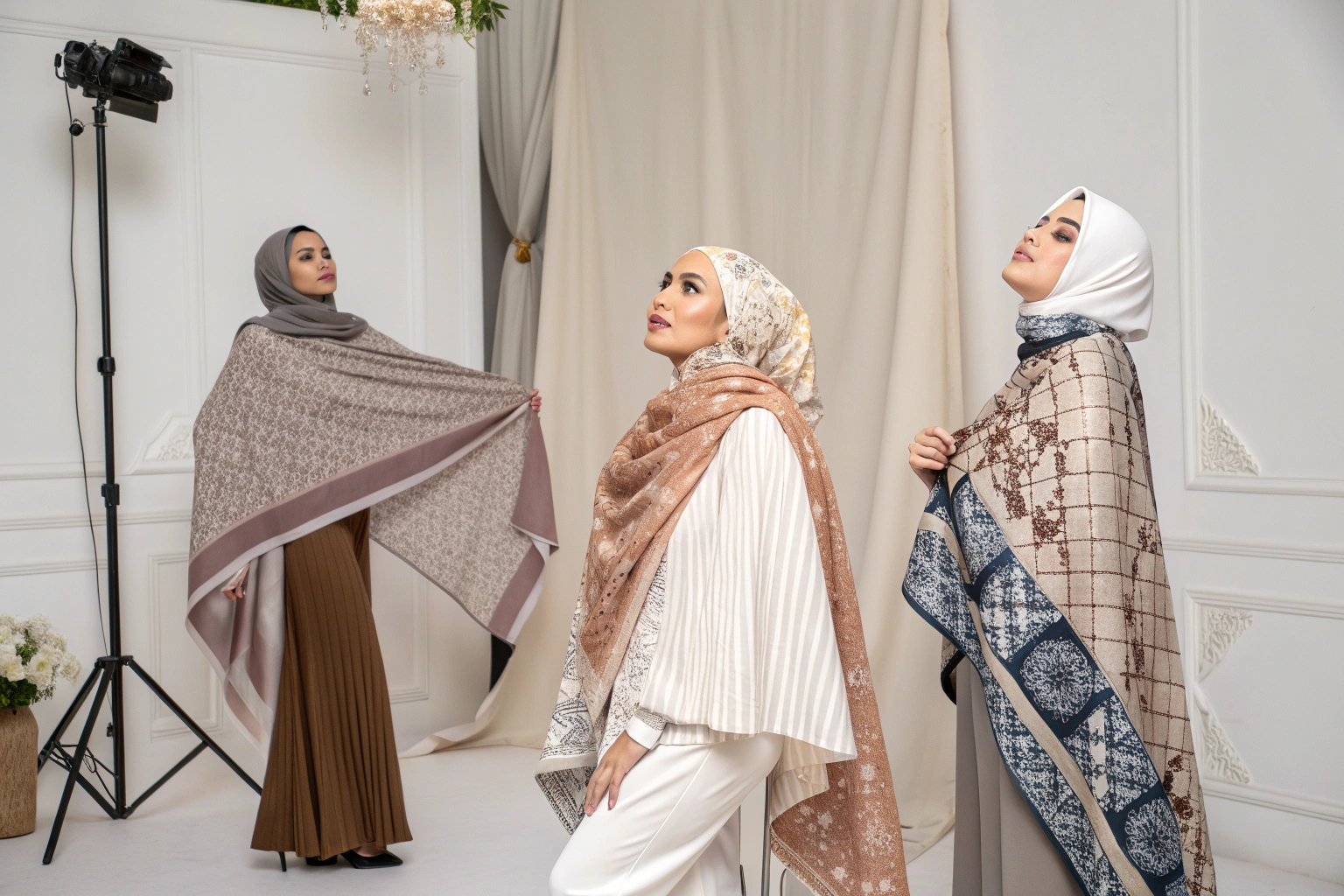
In the world of fashion accessories, shawls occupy a unique position between practical warmth and artistic expression. Many manufacturers focus on either aesthetic appeal or basic functionality, missing the opportunity to create truly remarkable shawl designs. Through our extensive work with fashion brands across Europe and North America, we’ve identified that the most successful shawl designs share a fundamental core feature that distinguishes them from ordinary scarves and wraps.
The core feature of any exceptional shawl design is its multidimensional versatility—the ability to function simultaneously as a fashion statement, comfort provider, and practical accessory across various contexts and seasons.This versatility manifests through adaptable styling options, transitional material properties, and design intelligence that serves multiple purposes without compromise.
Understanding this central principle transforms how designers and brands approach shawl creation. Let’s explore how this core feature manifests in successful shawl designs and why it matters for your collection.
How does material selection define shawl functionality?
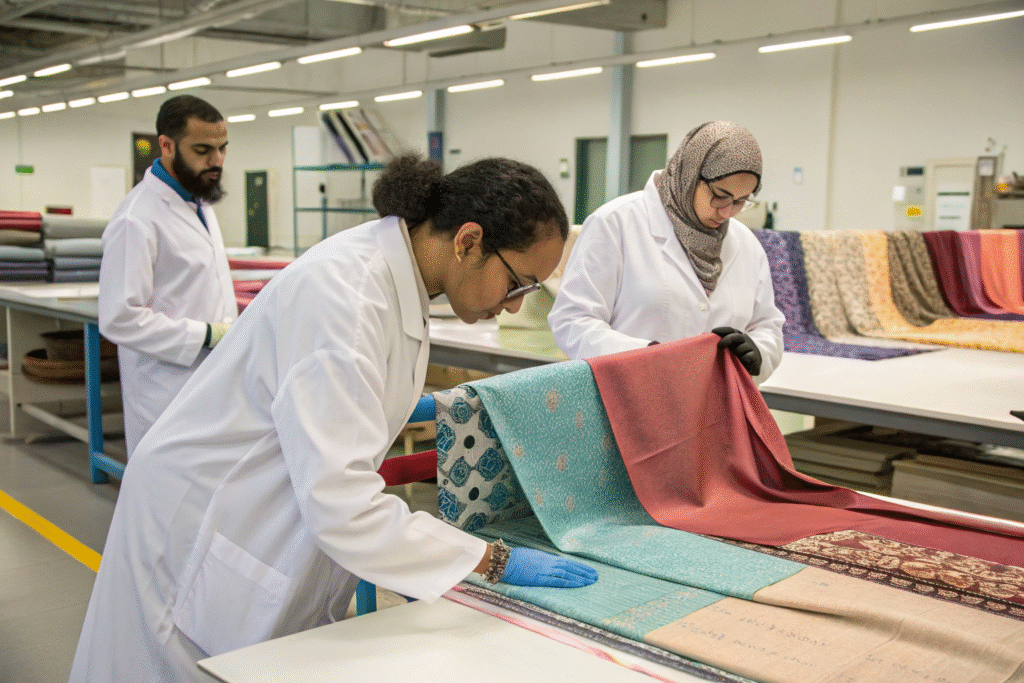
The foundation of a shawl’s versatility lies in its material composition. Ordinary shawls often use single-material constructions that limit their seasonal adaptability and functional range, while exceptional designs employ sophisticated material strategies.
Material choice directly determines a shawl’s drape, warmth, texture, and seasonal appropriateness, making it the physical embodiment of the design’s core versatile nature.
What makes natural fibers uniquely versatile?
Natural fibers provide inherent properties that synthetic materials struggle to replicate. We prioritize premium natural materials like cashmere, merino wool, silk, and pashmina for their temperature-regulating capabilities and luxurious hand-feel. Cashmere offers exceptional warmth without weight, making shawls suitable for both indoor comfort and outdoor protection. Silk provides lightweight warmth with elegant drape, perfect for formal occasions while remaining packable for travel. Our fiber blending expertise allows us to combine these natural materials in proportions that optimize their best qualities—creating shawls that provide warmth when needed yet remain breathable in milder conditions.
How do fabric weights impact seasonal adaptability?
The weight and weave of shawl fabrics determine their seasonal range and styling flexibility. We develop shawls in graduated weight categories from feather-light voiles for summer evenings to medium-weight twills for spring and autumn, through to heavier knits and wovens for winter protection. This strategic weight variation enables brands to offer shawls that serve specific climate needs while maintaining design consistency across their collections. The same design might be executed in different weights and materials, allowing customers to select the perfect version for their local climate and intended use, significantly expanding the market potential for each design concept.
What design elements enhance styling versatility?
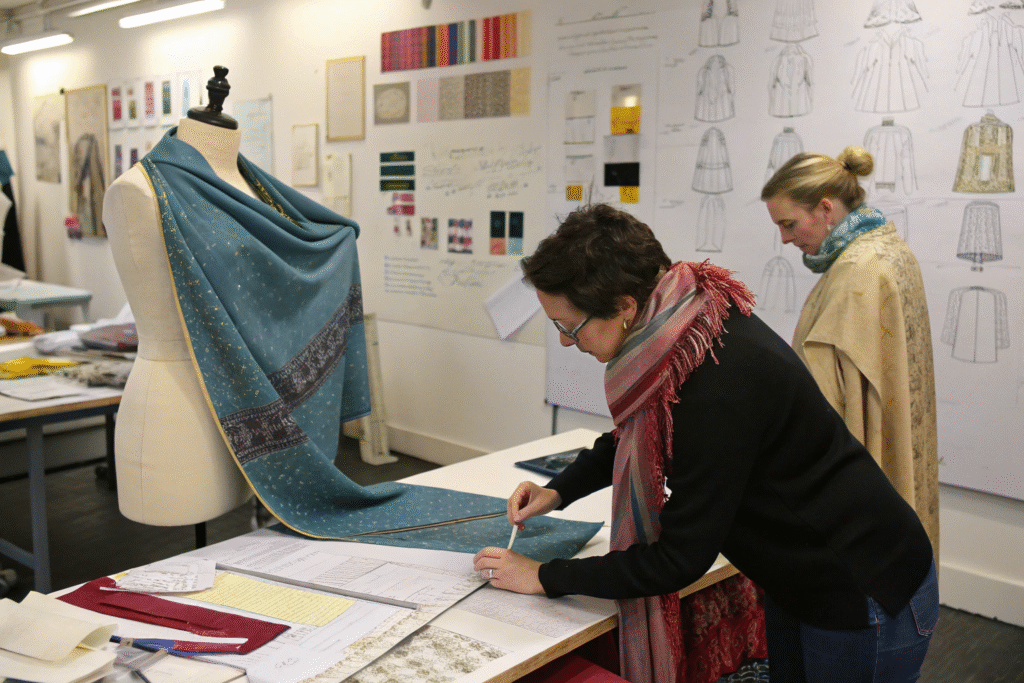
Beyond materials, specific design elements dramatically expand how a shawl can be worn and styled. Many manufacturers treat shawls as simple rectangular fabrics, missing opportunities to build versatility directly into the design architecture.
Intelligent design features transform shawls from passive accessories into interactive fashion components that adapt to the wearer’s needs, outfit, and occasion.
How do dimensions and proportions affect wearing options?
The size and proportions of a shawl determine its styling possibilities. We’ve developed proportion systems based on extensive wear-testing that identify optimal dimensions for different styling outcomes. Longer shawls facilitate dramatic draping and multiple wrapping techniques, while square formats offer classic stole options and creative folding possibilities. Our most versatile designs often feature non-standard proportions that enable unique styling—asymmetric shapes, graduated widths, or strategically placed slits that allow for secure tying without bulk. These proportional innovations make our shawls stand out in the market while providing genuine functional advantages.
What role do edges and finishes play in design versatility?
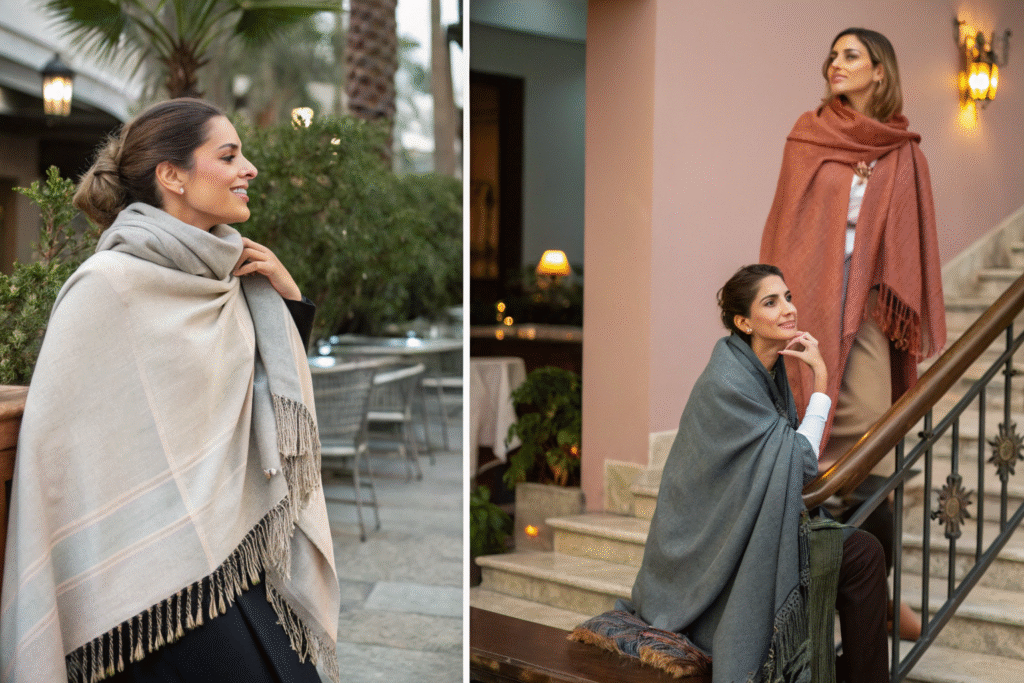
Edge treatments represent a crucial yet often overlooked aspect of shawl design. We offer diverse edge finishing techniques from hand-rolled hems for luxury silk shawls to fringe treatments for bohemian styles, knitted borders for stretch comfort, and laser-cut edges for contemporary designs. These edge details significantly impact both aesthetics and functionality—fringes add movement and visual weight that improves drape, while bound edges provide structure for precise folding and tying. For brands seeking signature elements, we develop custom edge treatments that become recognizable design features, distinguishing their shawls in a crowded marketplace.
How does pattern placement create visual impact?
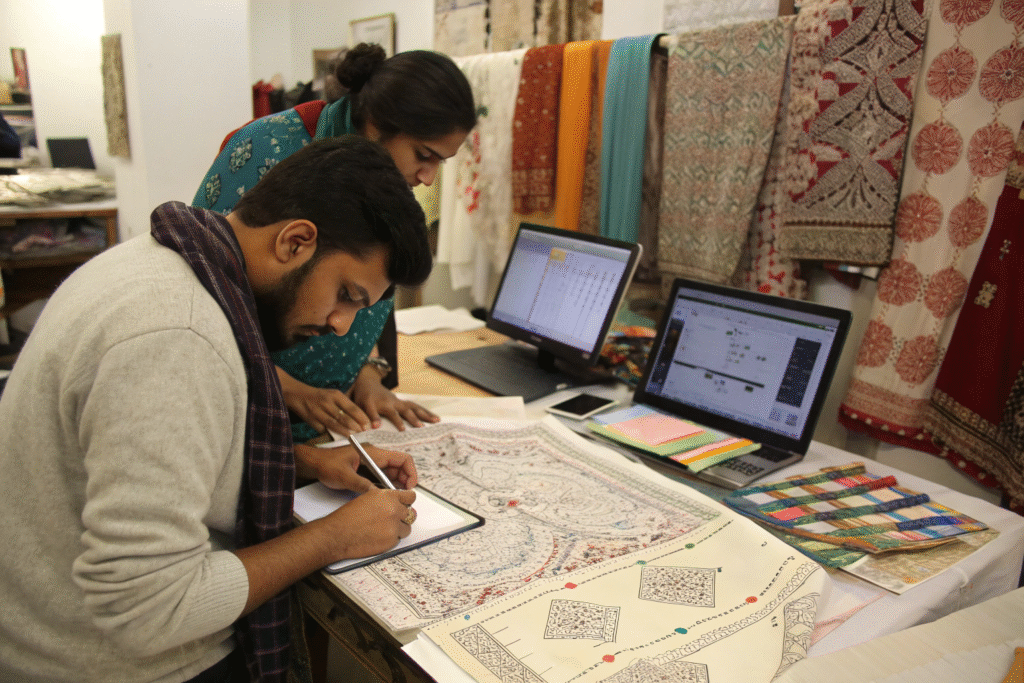
The application of pattern and color represents another dimension of the shawl’s core versatile feature. Strategic pattern design ensures visual appeal regardless of how the shawl is worn or draped, maintaining brand recognition and aesthetic integrity across various styling scenarios.
Thoughtful pattern engineering transforms shawls from simple fabrics into dynamic canvases that reveal different visual elements based on wearing style and movement.
What makes border patterns functionally aesthetic?
Border patterns represent a classic shawl design approach with inherent versatility. We engineer scalable border designs that frame the face beautifully when draped over shoulders while creating visual interest along the edges when the shawl is worn open. The placement and scale of these borders are carefully calculated based on the shawl’s dimensions and intended wearing styles. For luxury brands, we develop intricate border patterns that showcase craftsmanship, while for contemporary labels we might create bold graphic borders that make strong style statements. This approach ensures the design remains visible and impactful regardless of how the shawl is arranged.
How do all-over patterns maintain visual coherence?
All-over patterns offer different versatile advantages for shawl designs. We create repeating pattern systems that maintain visual balance and interest whether the shawl is folded, draped, or wrapped. The pattern scale is critical—smaller repeats work well for folded or wrapped styles, while larger motifs create dramatic impact when the shawl is worn fully open. Our technical team ensures pattern matching at seams and consistent visual weight distribution, preventing awkward pattern interruptions that can compromise the design. For artisanal collections, we develop patterns that tell cultural stories or reflect natural elements, adding narrative depth to the versatile functionality.
What makes a shawl design transition across occasions?
The ultimate expression of a shawl’s core versatile feature is its ability to move seamlessly across different occasions and contexts. Designs that succeed in this transition combine practical considerations with aesthetic intelligence, creating accessories that feel appropriate everywhere from casual daytime activities to formal evening events.
Occasion versatility represents the culmination of material selection, design features, and pattern strategy working in harmony.
How do color strategies enhance contextual appropriateness?
Color selection dramatically affects a shawl’s ability to transition across occasions. We develop strategic color palettes that work across multiple contexts—versatile neutrals that complement existing wardrobes, seasonal tones that reflect current trends while maintaining longevity, and statement colors that transform basic outfits. Our color consulting service helps brands select shades that align with their identity while maximizing the shawl’s versatile potential. We also consider color psychology—calming blues for travel shawls, energizing brights for casual wear, sophisticated neutrals for business contexts—ensuring the color enhances the shawl’s functional purpose.
What design details facilitate occasion transformation?
Specific design details enable shawls to adapt to different formality levels and contexts. We incorporate transformative design elements like reversible color ways that offer two looks in one piece, detachable elements like brooches or chains that dress up basic designs, and strategic embellishments that add elegance without compromising comfort or care requirements. These intelligent details allow wearers to modify the shawl’s appearance based on the occasion, effectively providing multiple accessories in a single design. This approach has proven particularly successful for travel-oriented collections where versatility and space efficiency are paramount considerations.
Conclusion
The core feature of any exceptional shawl design is its multidimensional versatility—the sophisticated integration of materials, construction, pattern, and details that create an accessory adapting seamlessly to different seasons, styling preferences, and occasions. This versatile nature transforms shawls from simple warmth providers into intelligent fashion solutions that deliver value through their adaptive capabilities. Brands that embrace this core principle develop shawl collections that resonate with contemporary consumers who seek multifunctional, value-added accessories that complement their dynamic lifestyles.
If you’re looking to develop shawl designs that embody this core versatile feature, we invite you to contact our Business Director, Elaine. Our design and production team specializes in creating shawls that balance aesthetic appeal with functional intelligence, ensuring your collection stands out in the competitive accessories market. Reach her at: elaine@fumaoclothing.com.