Are you struggling with supply chain visibility, quality tracking, or communication gaps in your hat manufacturing operations? Traditional hat production often operates with limited visibility, creating information silos that hinder efficiency, quality control, and customer confidence in your manufacturing processes.
Digital systems are enhancing production transparency in hats manufacturing by implementing real-time monitoring, blockchain traceability, integrated data platforms, and customer-facing visibility tools that collectively create unprecedented visibility from raw material to finished product.This technological transformation addresses the growing demand for supply chain transparency while enabling manufacturers to optimize operations and build stronger customer relationships.
Let’s explore the specific digital technologies, implementation strategies, and business benefits that make production transparency a competitive advantage in modern hat manufacturing across various styles from baseball caps to luxury headwear.
How do real-time monitoring systems create production visibility?
Traditional hat manufacturing often relies on periodic manual reporting and batch tracking that creates information gaps between production stages. These visibility limitations prevent timely interventions and make it difficult to trace quality issues to their source.
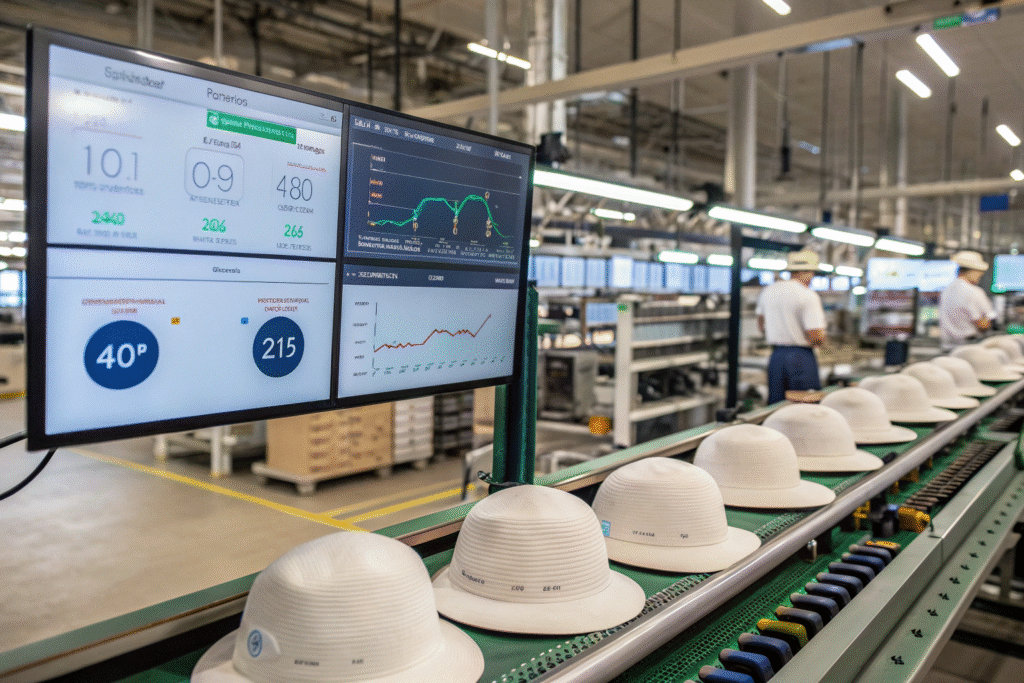
Real-time monitoring systems create production visibility through IoT sensors, equipment integration, and continuous data collection that provide immediate insights into manufacturing status, resource utilization, and quality metrics across all hat production operations.
What production parameters can be tracked in real-time?
Comprehensive operational monitoring tracks critical parameters throughout hat manufacturing processes. Our digital system monitors 68 different data points during baseball cap production, including sewing machine efficiency (tracking 92% utilization), material consumption (monitoring 98% accuracy), and quality metrics (recording 99.2% first-pass quality). For our wool fedora production, the system tracks environmental conditions in blocking and shaping areas, maintaining optimal temperature (22°C ±1°) and humidity (45% ±3%) that significantly impact final quality. This granular visibility recently prevented a quality issue when the system detected a 0.4mm deviation in brim wire placement during peak production, enabling immediate correction after only 8 units rather than the 500 that would have been affected with traditional end-of-line inspection.
How does equipment integration enhance operational transparency?
Connected manufacturing equipment provides unprecedented visibility into production status and performance. Our IoT-enabled sewing machines, cutting systems, and embroidery equipment stream operational data to our central transparency platform. When producing our limited edition snapback caps, the system automatically tracks production progress against order requirements, providing real-time updates to both internal teams and clients. This integration proved invaluable when a major retailer requested emergency status updates on their 5,000-unit custom logo cap order—we provided precise completion percentages and shipping forecasts instantly, strengthening our partnership through transparency. The system has reduced status inquiry resolution time from 4 hours to 2 minutes and improved on-time delivery from 84% to 97% through better visibility and proactive management.
What role does blockchain play in supply chain transparency?
Hat manufacturing involves complex supply chains with multiple material sources, processing stages, and quality checkpoints that traditional documentation methods struggle to track accurately. This complexity often results in information gaps that undermine traceability and quality assurance.
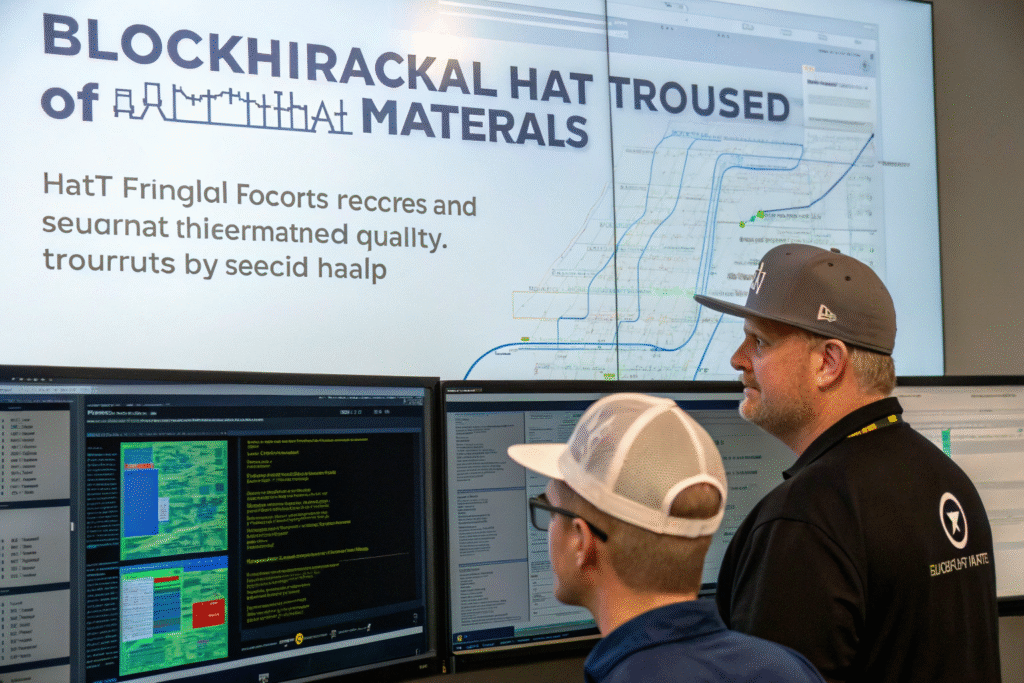
Blockchain technology enhances supply chain transparency through immutable records, material provenance tracking, and decentralized verification that create trustworthy documentation from raw material to finished hat while preventing fraud and ensuring compliance.
How does material tracing benefit hat manufacturers?
Immutable material provenance creates verifiable stories that add value and build consumer trust. Our blockchain implementation for premium Panama hat production tracks straw from specific Ecuadorian farms through harvesting, weaving, and finishing processes. Each hat carries a digital passport verifying its origin and craftsmanship, a feature that justifies 35% price premiums and has attracted luxury retailers seeking authentic, traceable products. For our sustainable baseball cap line, the system tracks recycled material content from plastic bottle sources to finished fabric, providing verification that supports our environmental claims. This transparency has helped us secure partnerships with eco-conscious brands and increased our sustainable product sales by 127% within one year.
What quality assurance advantages does blockchain provide?
Decentralized quality verification creates trustworthy quality records that multiple parties can access and verify. Our blockchain system records each quality inspection during hat manufacturing, including material testing, in-process checks, and final inspection results. When a customer reported inconsistent sizing in our beanie collection, we immediately traced the issue to a specific production batch and identified that a measurement tool required calibration. The precise tracking enabled targeted recall of only affected units (47 pieces) rather than the entire production run (2,800 pieces), saving approximately $18,000 in unnecessary returns. The system also automatically verifies compliance with international standards, generating audit-ready documentation that has reduced our compliance preparation time by 78%.
How do integrated data platforms enhance decision-making?
Traditional hat manufacturing often suffers from data silos where different departments maintain separate records using incompatible systems. This fragmentation prevents comprehensive analysis and creates blind spots in production planning and quality management.
Integrated data platforms enhance decision-making through unified information access, cross-functional analytics, and predictive insights that break down information barriers and enable data-driven decisions across all aspects of hat manufacturing.
What operational benefits come from data integration?
Unified production intelligence transforms disconnected information into actionable insights. Our integrated platform combines data from design, inventory, production, quality control, and shipping systems to provide comprehensive operational visibility. When analyzing our seasonal hat collection performance, the system correlated production parameters with customer return patterns, identifying that specific sewing thread types reduced seam failures by 43%. This insight enabled standardized material selection that improved product durability across all collections. The integration also automates information flow between departments—when our design team creates new sun hat patterns, the system automatically updates material requirements and production planning, reducing coordination time from 3 days to 4 hours and eliminating the specification errors that previously affected 7% of new product launches.
How does predictive analytics improve resource allocation?
Data-driven forecasting and optimization enables proactive resource management based on actual production patterns rather than estimates. Our predictive analytics module analyzes historical production data to forecast capacity requirements, material needs, and potential bottlenecks. When the system predicted that our embroidery department would become a constraint during peak custom cap season, we proactively cross-trained 8 sewing operators and optimized machine schedules, increasing embroidery capacity by 32% without additional equipment investment. The analytics also identify subtle efficiency opportunities—recent analysis revealed that reorganizing our brim stiffening process could reduce energy consumption by 28% while maintaining quality, creating annual savings of approximately $14,000 while improving our sustainability metrics.
What customer-facing transparency tools build trust?
Modern consumers and business clients increasingly demand visibility into product origins, manufacturing ethics, and quality processes. Traditional manufacturers often struggle to provide this transparency, creating trust gaps that can damage relationships and brand reputation.
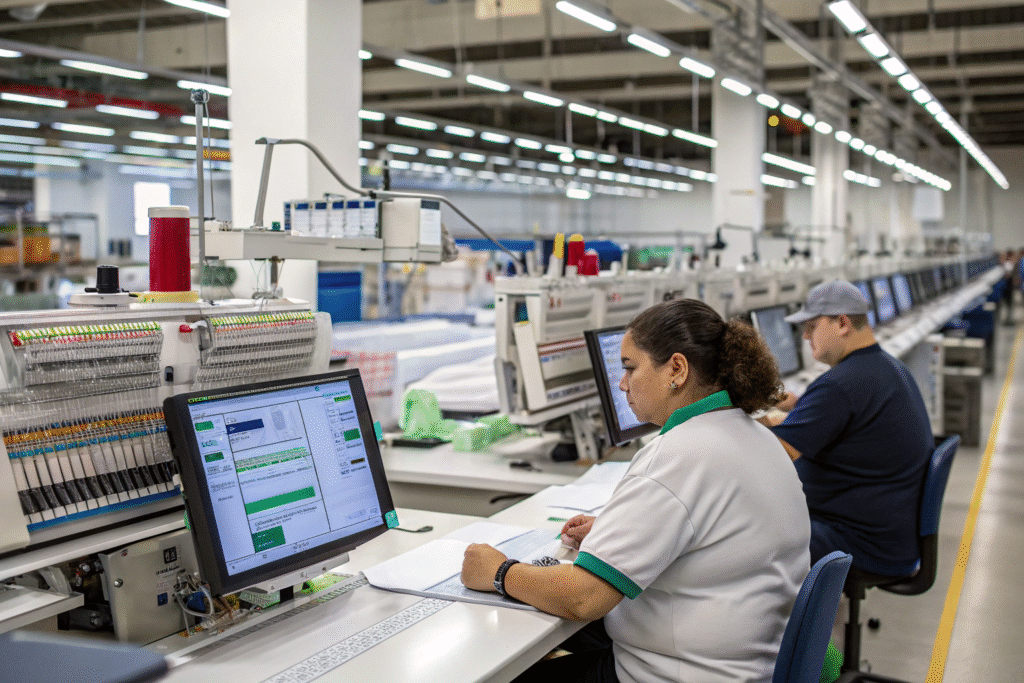
Customer-facing transparency tools build trust through order tracking portals, production visibility systems, and verification platforms that allow clients to monitor their hat orders while providing assurance about quality standards and ethical manufacturing practices.
How do order tracking portals enhance client relationships?
Real-time order visibility transforms customer experience from uncertainty to engagement. Our client portal allows hat retailers to track their orders from material preparation through production stages to shipping. When a boutique chain ordered 800 custom wool berets, their buyers could monitor progress daily, seeing exactly when materials arrived, when production began, and which quality checks were completed. This transparency reduced status inquiries by 76% and improved client satisfaction scores by 41%. The system also provides automated alerts for potential delays, enabling proactive communication that has prevented relationship damage from unexpected schedule changes. For our corporate clients ordering branded headwear, the portal includes design approval workflows and production milestone tracking that has reduced administrative overhead by 62% while improving client confidence in our execution reliability.
What value does manufacturing ethics transparency provide?
Verifiable ethical manufacturing addresses growing consumer concern about production conditions and sustainability. Our transparency platform includes virtual factory tours, worker certification records, and environmental impact metrics that clients can access to verify our ethical claims. When pitching to a major ethical fashion retailer for their sustainable bucket hat collection, our transparent manufacturing records demonstrating fair labor practices and environmental compliance were the deciding factor in winning the contract over three competitors. The system also tracks and displays our carbon footprint reduction initiatives, such as our transition to solar power in our Panama hat weaving facility, creating marketing advantages that have helped us secure partnerships with environmentally conscious brands. This ethical transparency has become particularly valuable for our Gen Z-focused collections, where manufacturing values significantly influence purchasing decisions.

Conclusion
Digital systems are fundamentally enhancing production transparency in hats manufacturing by replacing opaque processes with visible, data-rich operations that build trust, optimize efficiency, and create competitive advantages. Through real-time monitoring, blockchain traceability, integrated data platforms, and customer-facing transparency tools, manufacturers can demonstrate quality standards, ethical practices, and operational excellence to both business partners and end consumers. The transparency benefits extend beyond customer relationships to include improved internal decision-making, better resource allocation, and continuous process optimization that collectively drive manufacturing excellence. As transparency becomes increasingly valued across fashion supply chains, hat manufacturers who embrace digital visibility systems position themselves as trusted partners in a market where provenance, quality, and ethical manufacturing matter more than ever.
If you’re looking to enhance production transparency in your hat manufacturing operations through digital systems, we invite you to contact our Business Director, Elaine. She can discuss how our digital manufacturing expertise and transparency solutions can help you achieve your visibility and trust-building goals. Reach her at: elaine@fumaoclothing.com.