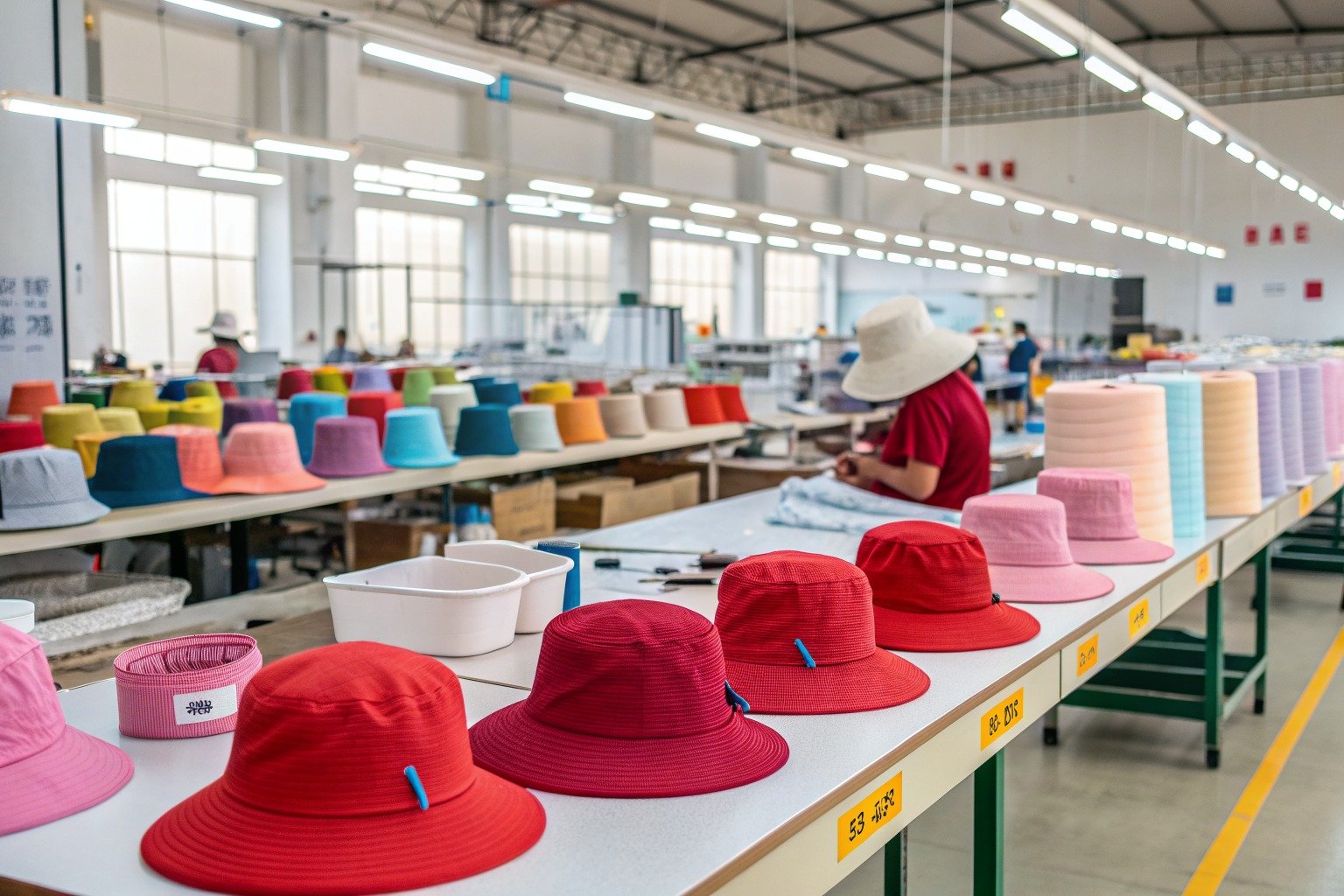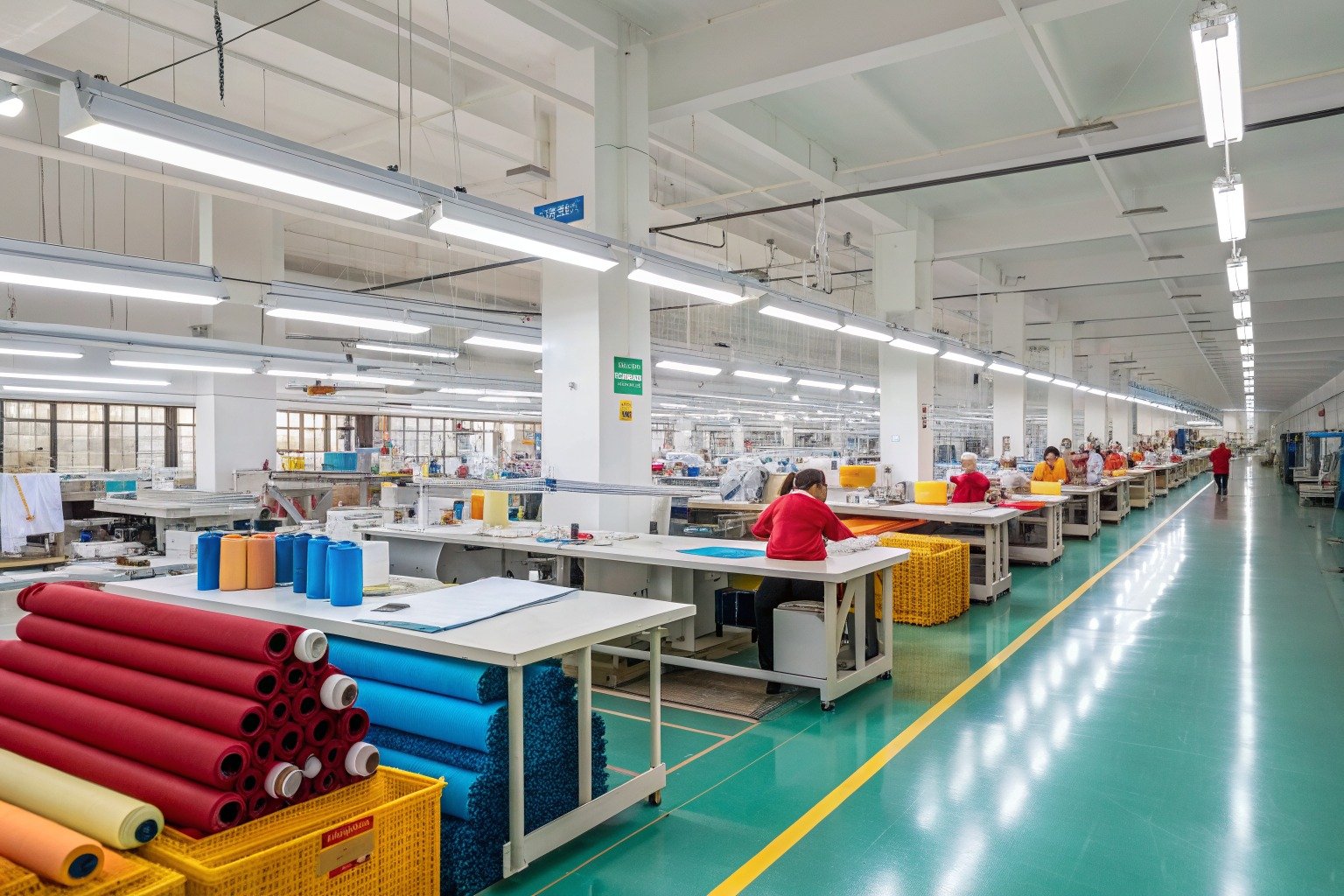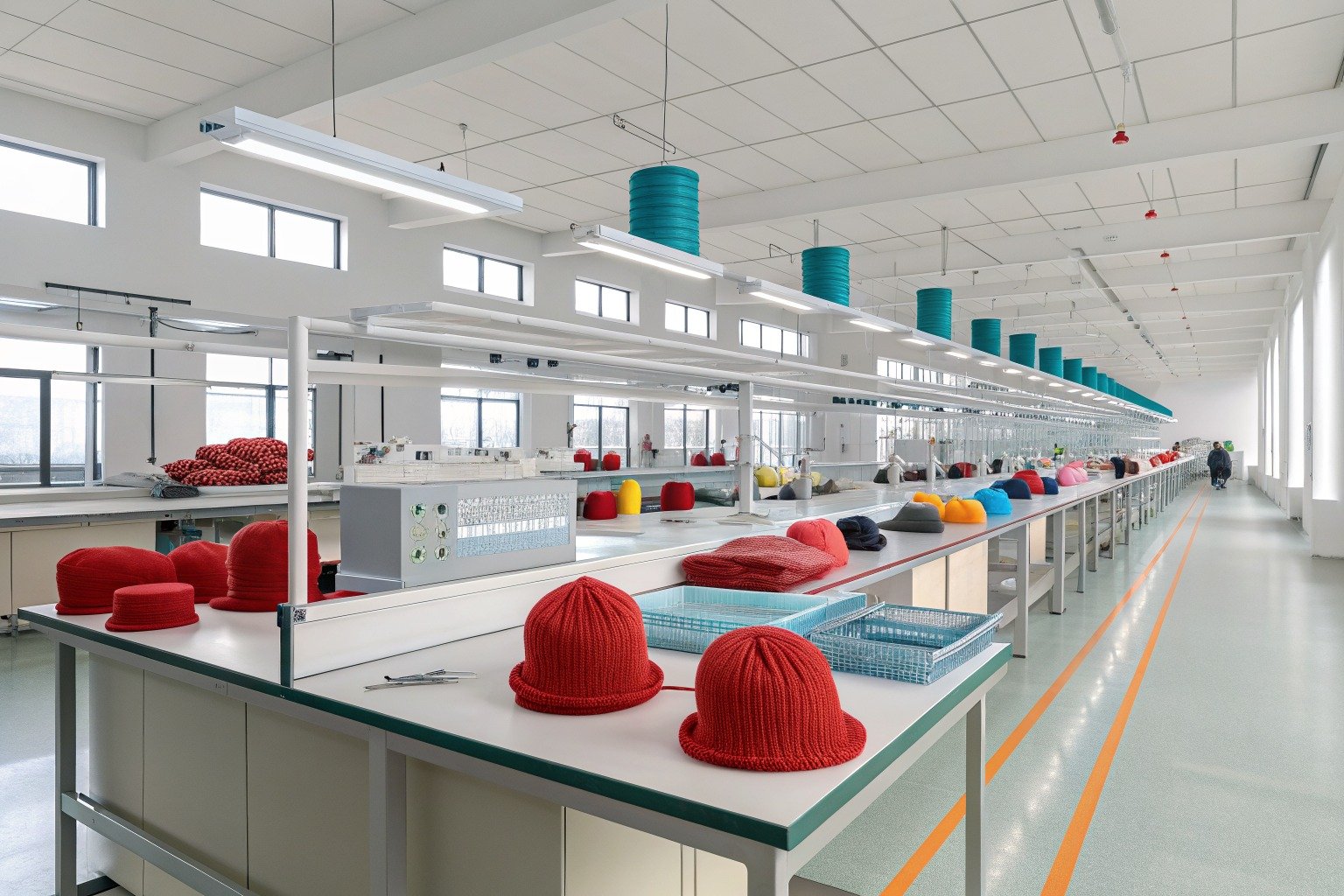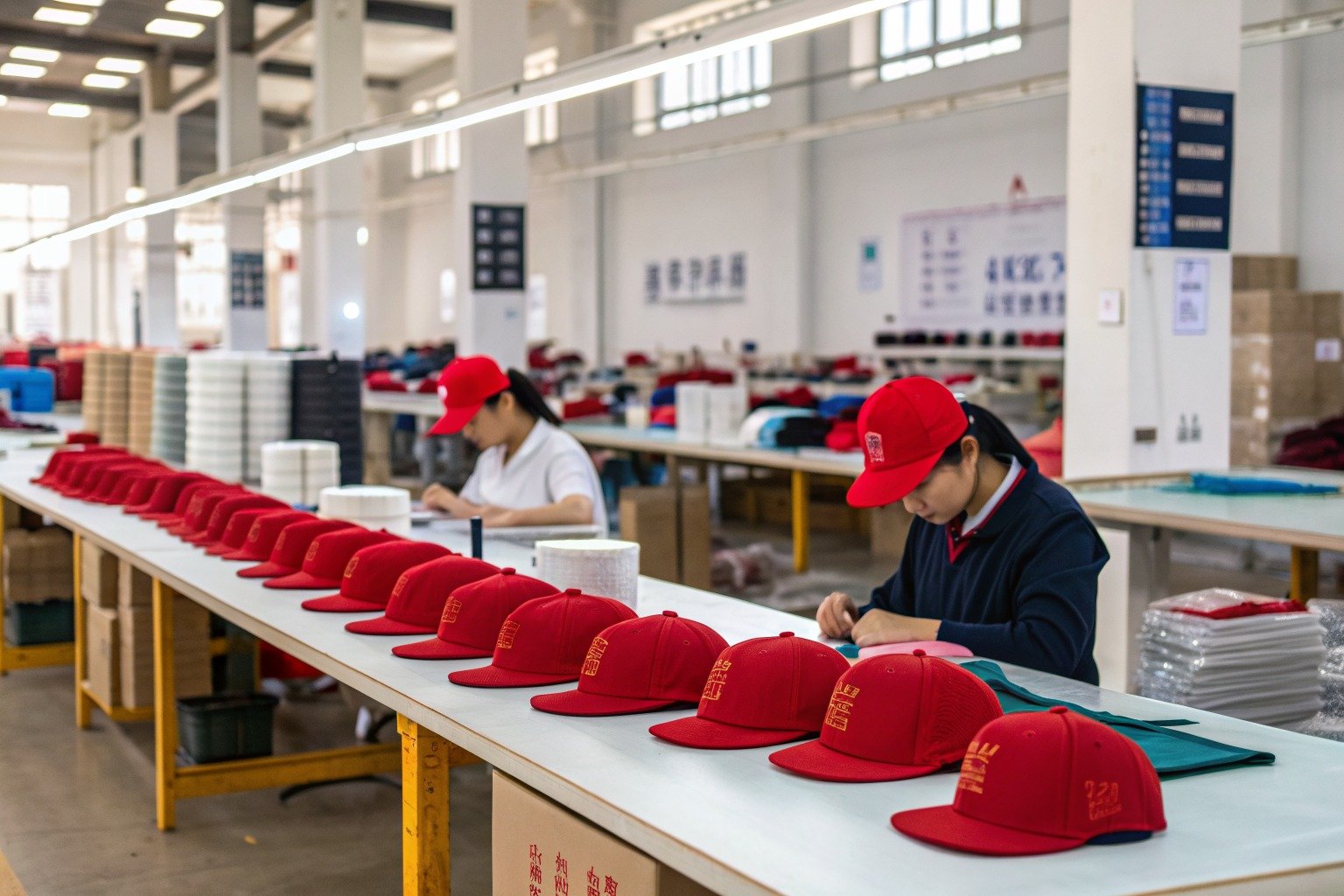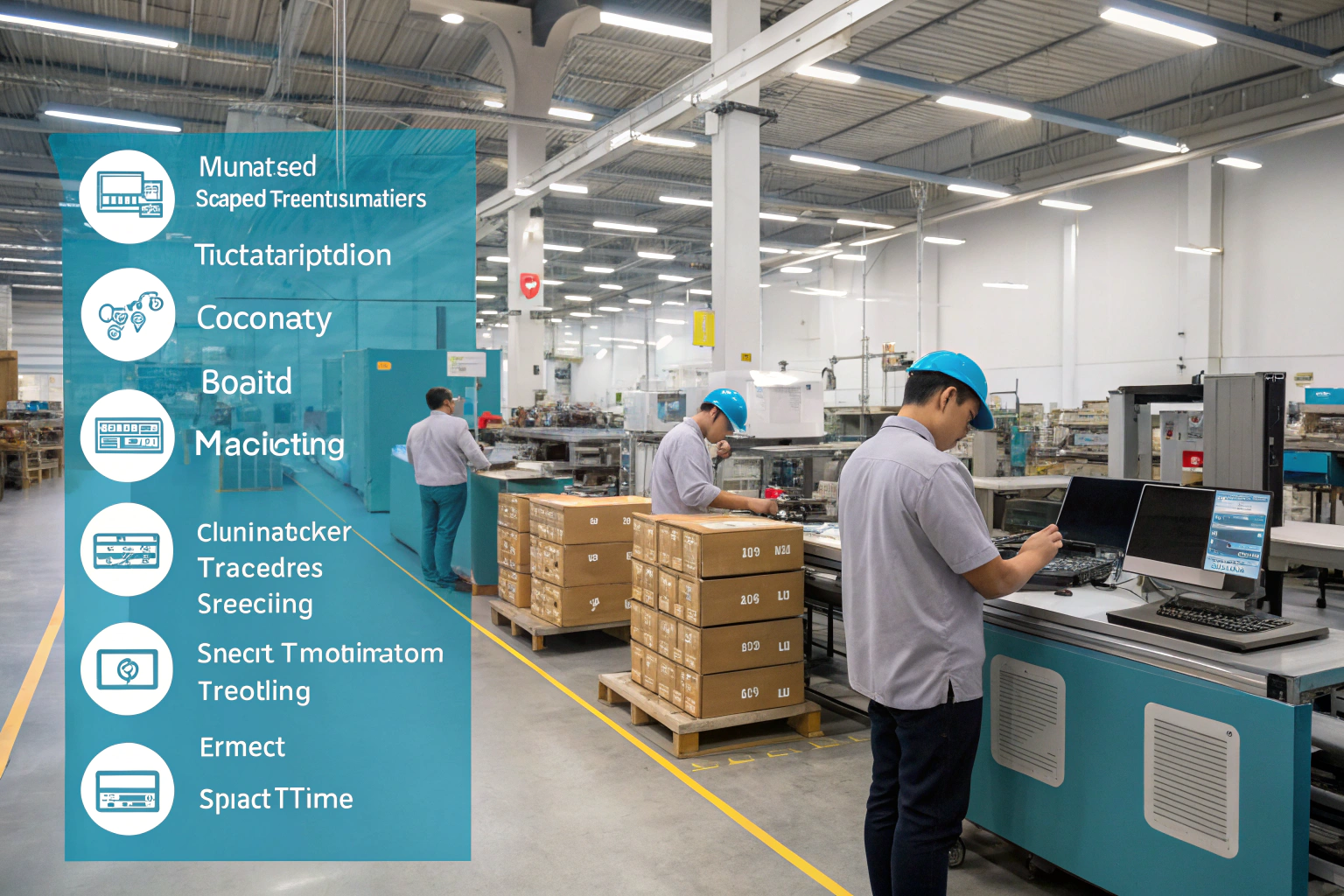
Are you struggling with slow production cycles, inventory inaccuracies, or disconnected customer experiences in your accessory business? Many traditional accessory manufacturers face these challenges while competitors embracing digital transformation are achieving unprecedented efficiency, customization capabilities, and market responsiveness.
Digital transformation offers accessory manufacturers key advantages including accelerated product development, data-driven customization, supply chain transparency, enhanced customer engagement, and sustainable production practices that collectively create significant competitive advantages in today’s fast-paced fashion market.This comprehensive shift from analog to digital operations transforms every aspect of how accessories are designed, produced, and brought to market.
Let’s explore the specific advantages that digital transformation delivers across the accessory manufacturing value chain and how these benefits create tangible business value for manufacturers, brands, and retailers.
How does digital transformation accelerate accessory development?
Traditional accessory development involves lengthy physical sampling, manual specification sharing, and sequential approval processes that delay time-to-market. These analog methods create bottlenecks that prevent manufacturers from responding quickly to fashion trends and customer demands.
Digital transformation accelerates accessory development through 3D prototyping, virtual collaboration platforms, and AI-assisted design that dramatically reduce development cycles while improving creative exploration and decision-making accuracy. These technologies compress traditionally sequential processes into parallel, integrated workflows.
What specific time savings come from 3D prototyping?
Virtual sampling and 3D prototyping eliminate weeks from traditional development timelines by replacing physical samples with digital equivalents. Our implementation reduced sampling time for new handbag designs from 3-4 weeks to just 2-3 days while allowing for more creative experimentation. Designers can now explore dozens of variations in materials, colors, and hardware for our belt collections without the cost and delay of physical sampling. This acceleration proved crucial when a major retailer requested last-minute design modifications to our seasonal scarf collection—we delivered revised digital prototypes within 24 hours, securing an order that would have been impossible with traditional methods. The reduction in physical sampling has also decreased our development waste by 78%, creating significant environmental benefits alongside time savings.
How do collaborative platforms enhance design efficiency?
Cloud-based collaboration platforms connect designers, manufacturers, and clients in real-time regardless of geographical location. Our digital workspace allows team members in different time zones to simultaneously review and annotate accessory designs, reducing approval cycles from weeks to days. When developing our recent capsule jewelry collection, designers in Milan, material specialists in Shanghai, and production managers in our Zhejiang facility collaborated seamlessly through shared digital boards and virtual review sessions. This integrated approach eliminated the misunderstandings that previously occurred through email chains and fragmented communication, reducing rework by 64% and improving first-time design approval rates from 45% to 88%.

What operational efficiencies does digital transformation create?
Traditional accessory manufacturing often suffers from disconnected systems, manual data entry, and limited visibility across operations that hide inefficiencies and prevent optimization. These operational gaps lead to production delays, quality inconsistencies, and unnecessary costs.
Digital transformation creates operational efficiencies through integrated IoT systems, automated workflows, real-time production monitoring, and data analytics that identify improvement opportunities humans might miss. These connected systems optimize resource utilization and minimize waste throughout manufacturing operations.
How does IoT implementation improve production visibility?
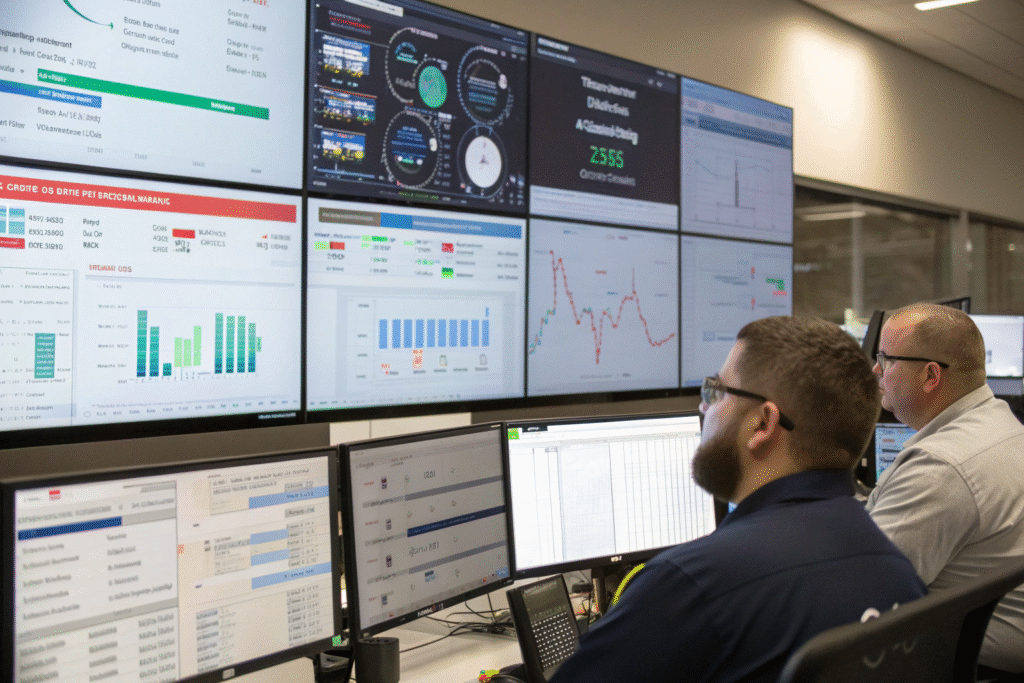
Connected IoT systems provide real-time visibility into every aspect of accessory manufacturing, from material inventory to equipment performance. Our smart factory implementation for hair accessory production uses sensors that monitor machine efficiency, material consumption, and production quality continuously. This data enabled us to identify that our hair clip assembly line was operating at 68% efficiency due to unbalanced workflow—an issue that had persisted for months without detection through manual monitoring. By reorganizing the production flow based on IoT data, we increased output by 42% without additional equipment or personnel. The predictive maintenance capabilities of our IoT systems have also reduced unplanned downtime by 83%, creating more reliable production scheduling and delivery commitments.
What inventory management advantages come from digital transformation?
Digital inventory management systems provide accurate, real-time visibility across raw materials, work-in-progress, and finished goods. Our implementation eliminated the inventory discrepancies that previously caused production delays and missed shipments. The system automatically tracks material consumption for our bag production and generates replenishment orders when stocks approach minimum levels. This automation has reduced inventory carrying costs by 32% while completely eliminating production stoppages due to material shortages. For our seasonal accessory collections, the system provides demand forecasting that has improved inventory turnover from 4 to 7.5 annual cycles, reducing markdowns and increasing profitability.
How does digital transformation enhance customization capabilities?
Traditional manufacturing struggles with customization due to setup costs, production complexity, and communication challenges. This limitation prevents accessory brands from offering the personalization that modern consumers increasingly expect and value.
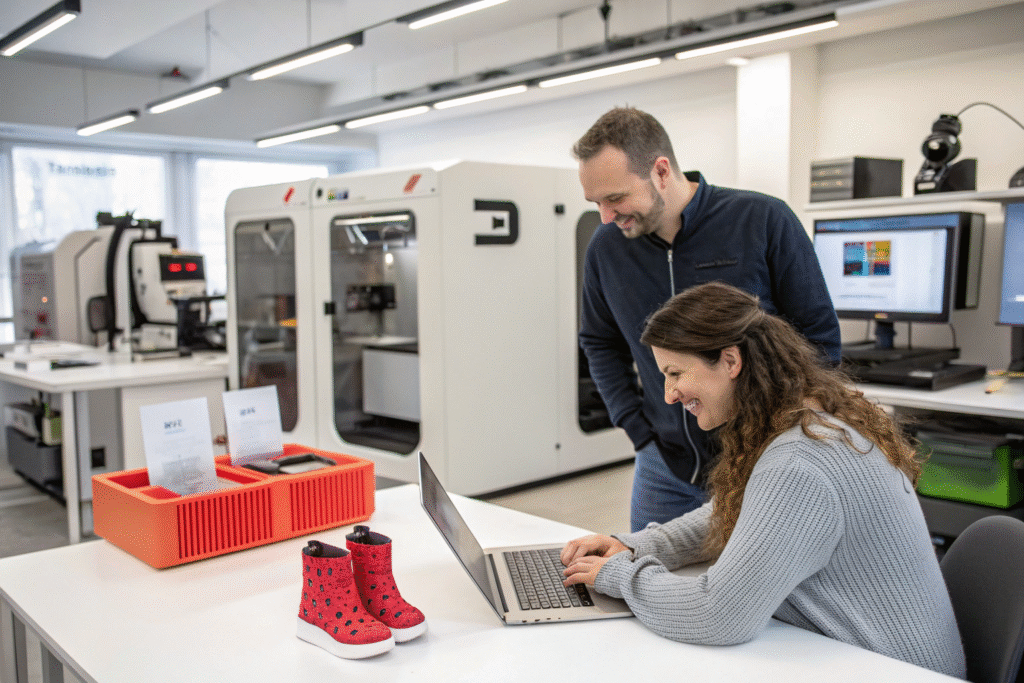
Digital transformation enhances customization capabilities through configurator platforms, additive manufacturing, and flexible production systems that make personalization economically viable at scale. These technologies democratize customization, making it accessible beyond luxury price points.
What makes digital configurators effective for personalized accessories?
Online product configurators allow customers to design their own accessories within manufacturing constraints, ensuring desired customizations are production-feasible. Our configurator for personalized bracelets guides customers through material selections, engraving options, and charm combinations while showing real-time pricing and production timelines. This approach has transformed our custom jewelry business, reducing design consultation time by 75% while increasing order value by 28% through guided upselling. The system automatically generates production-ready files for our manufacturing equipment, eliminating translation errors and ensuring customized pieces match customer expectations precisely. This seamless integration between customer desire and manufacturing execution has helped us build a profitable customization business representing 35% of our revenue.
How does additive manufacturing enable complex custom designs?
3D printing and additive manufacturing make economically viable production of highly complex custom designs that would be impossible or prohibitively expensive with traditional methods. Our digital manufacturing approach for architectural jewelry pieces allows customers to personalize intricate designs that we produce directly from digital files without tooling costs. This capability has been particularly valuable for our limited edition collections where we produce short runs of highly detailed pieces. The technology also enables rapid iteration of custom designs—we recently produced 12 variations of a custom pendant for a corporate client in 3 days, a process that would have taken 6 weeks with traditional mold-making approaches.
What competitive advantages does digital data analytics provide?
Traditional decision-making in accessory manufacturing often relies on intuition, historical patterns, and fragmented information that misses emerging opportunities and threats. This approach limits responsiveness to market changes and consumer preference shifts.
Digital data analytics provides competitive advantages through consumer insight discovery, trend prediction, production optimization, and market intelligence that enable proactive rather than reactive business strategies. These capabilities create significant first-mover advantages in fast-changing fashion markets.
How does predictive analytics improve inventory planning?
AI-driven demand forecasting analyzes multiple data streams to predict accessory demand with unprecedented accuracy. Our system incorporates social media trends, search data, weather patterns, and economic indicators to forecast demand for specific product categories. This approach proved invaluable for our seasonal hat collection, where we accurately predicted regional demand variations based on weather forecasts and event schedules. The precision of these forecasts allowed us to optimize production quantities and distribution, reducing end-of-season markdowns from 35% to 12% of inventory while improving sell-through rates. The system also identified emerging demand for sustainable accessories six months before conventional market signals, enabling us to develop our eco-friendly line ahead of competitors.
What product improvement insights come from customer data analysis?
Customer feedback analytics transform unstructured data from reviews, social media, and returns into actionable product improvement insights. Our natural language processing system analyzes customer comments to identify patterns and specific issues. This analysis revealed that customers valued the design of our statement necklaces but found the clasp mechanism difficult to operate—an issue that hadn’t emerged through traditional feedback channels. We redesigned the clasp, resulting in a 64% reduction in related customer complaints and a 23% increase in repeat purchases. The system also identifies feature requests and emerging style preferences, providing valuable input for our product development team that has increased the commercial success rate of new designs from 45% to 78%.

Conclusion
Digital transformation delivers compelling advantages across accessory design, production, customization, and business intelligence that collectively create significant competitive differentiation. By embracing integrated digital technologies, accessory manufacturers can achieve unprecedented speed, efficiency, and market responsiveness while meeting evolving consumer expectations for personalization and sustainability. The transition requires strategic investment and organizational adaptation, but the rewards include stronger customer relationships, improved profitability, and enhanced resilience in an increasingly dynamic global market.
If you’re ready to explore digital transformation for your accessory business, we invite you to contact our Business Director, Elaine. She can discuss how our digital manufacturing capabilities and transformation experience can help you achieve these advantages. Reach her at: elaine@fumaoclothing.com.