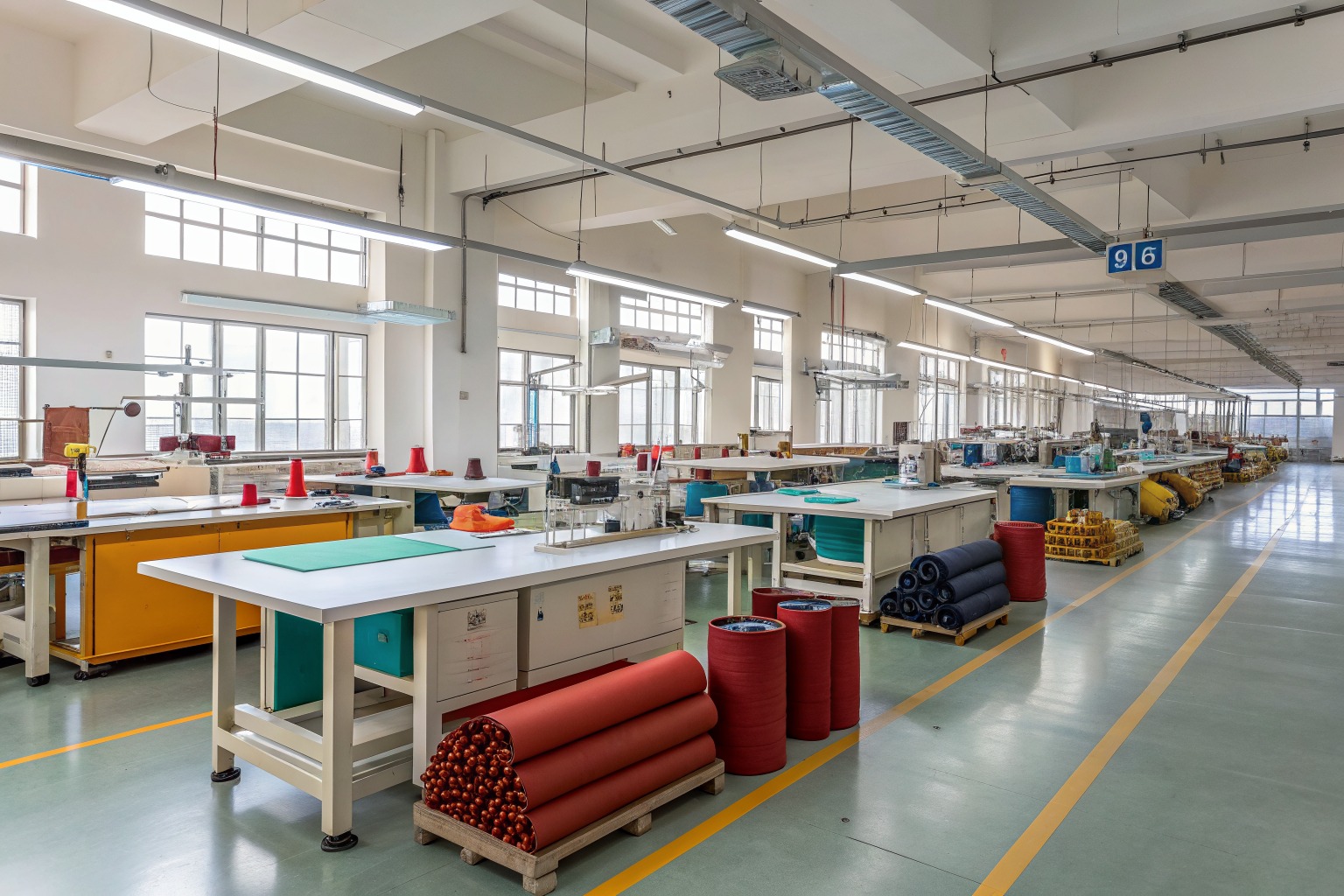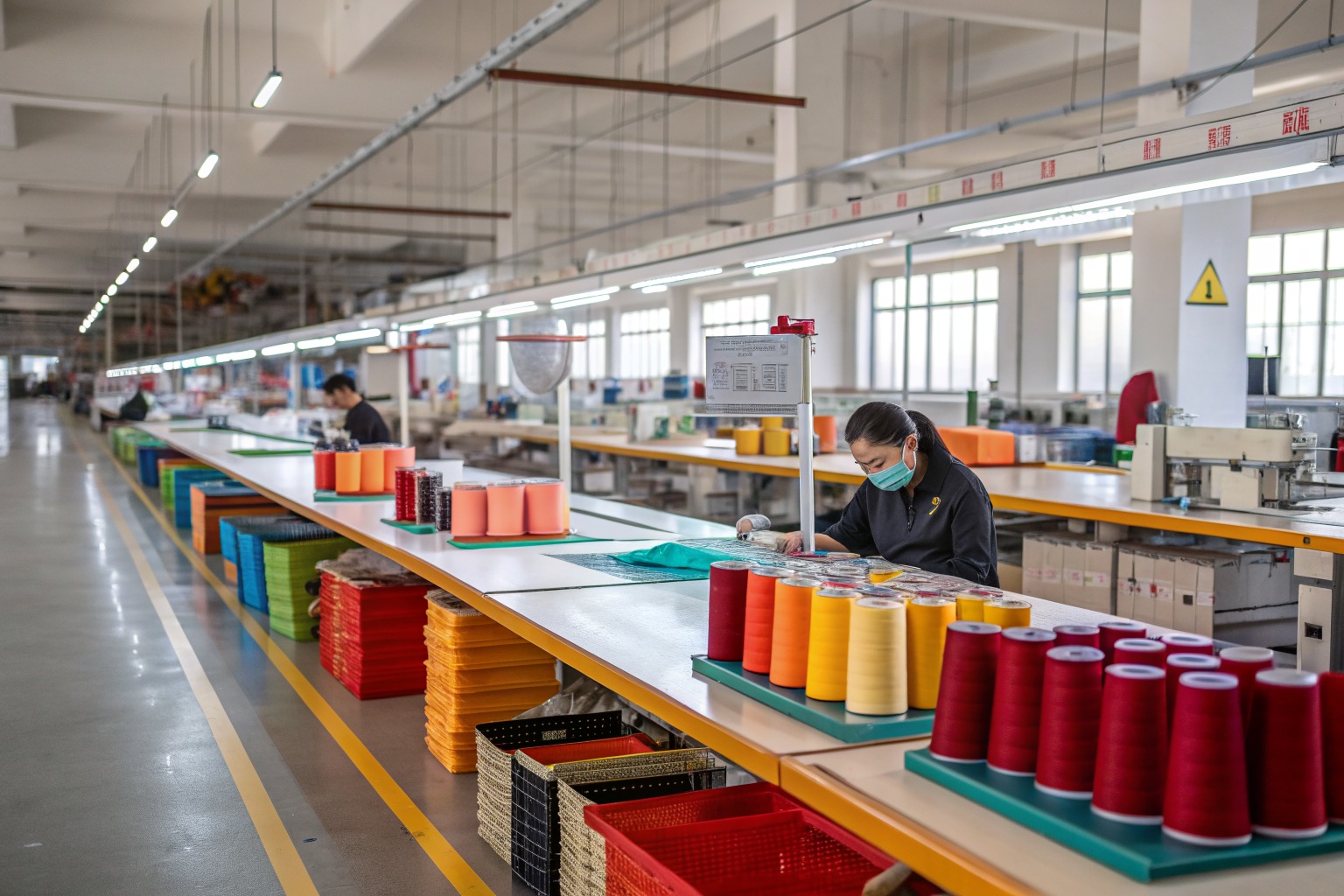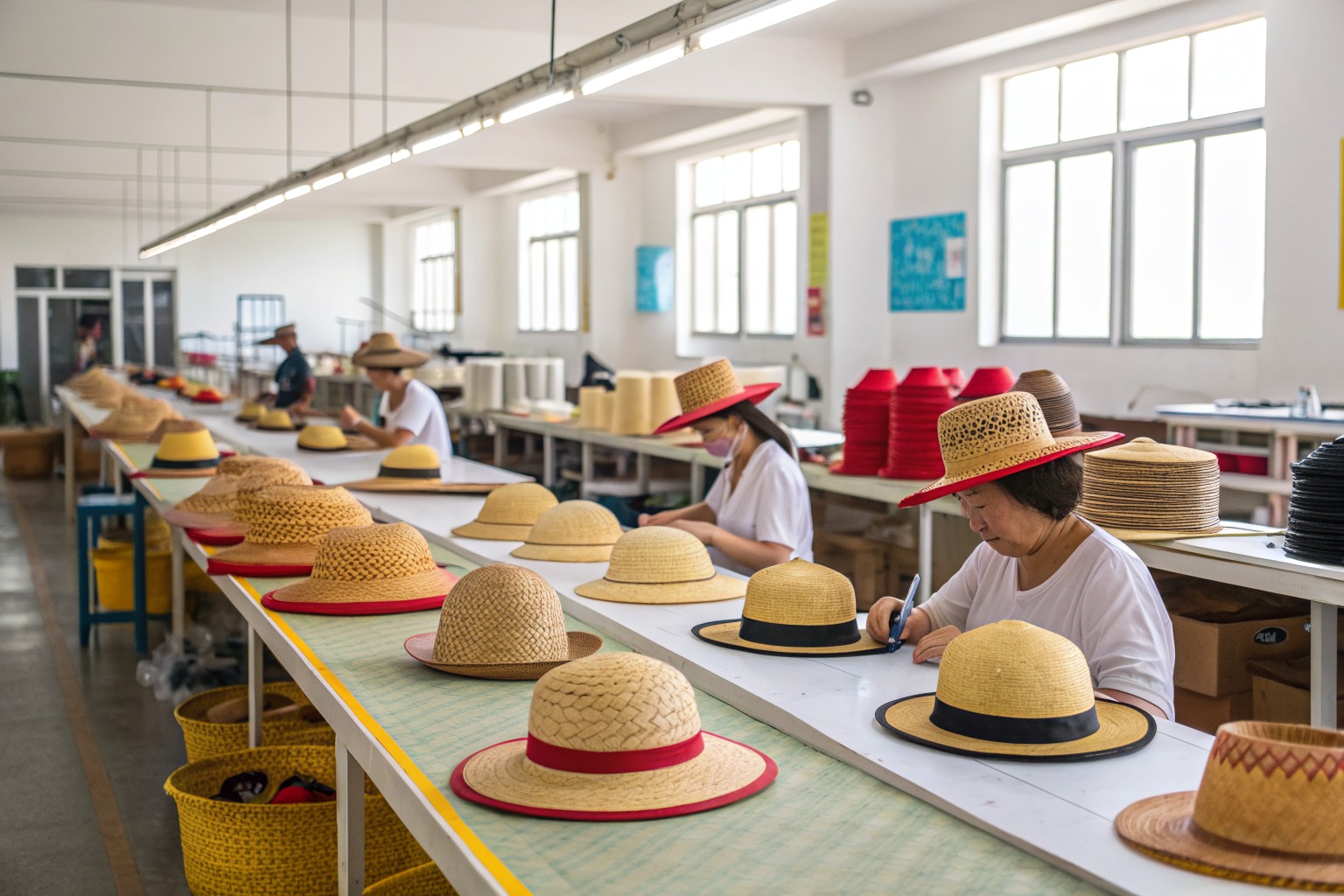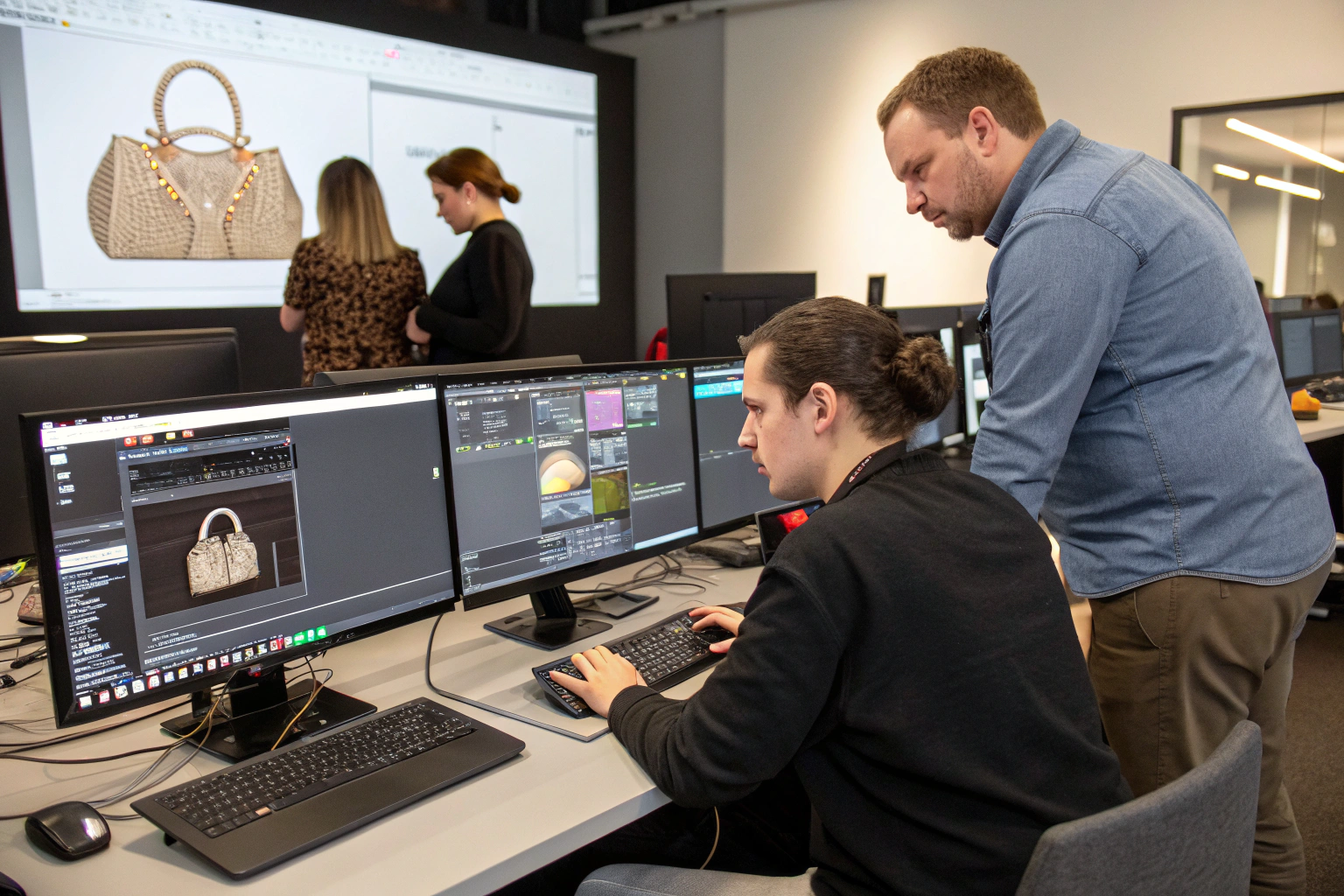
The fashion accessory industry operates at an increasingly frantic pace, with trends emerging and fading within single seasons. Traditional product development cycles of 6-9 months struggle to keep up with consumer demand for novelty and immediate availability. The delay between design conception and retail availability causes missed opportunities, inventory mismatches, and reduced competitiveness in fast-moving markets.
Digital tools dramatically accelerate accessory time-to-market by streamlining design processes, enabling virtual prototyping, optimizing production planning, enhancing supply chain coordination, and facilitating rapid retail integration.This comprehensive digital transformation compresses development timelines from months to weeks while improving decision-making and reducing costly physical iterations.
Let’s explore the specific digital tools and implementation strategies that can significantly reduce time-to-market for fashion accessories.
How can digital design tools accelerate concept development?
Traditional accessory design involves numerous physical iterations, manual sketching, and material sampling that consume weeks of development time. The transition from concept to production-ready specifications often requires multiple time-consuming cycles of physical prototyping and adjustment. Digital design tools compress this phase by enabling rapid iteration and immediate visualization.
Advanced software solutions transform conceptualization from sequential steps to parallel processes.
What role does 3D modeling play in accelerating design?
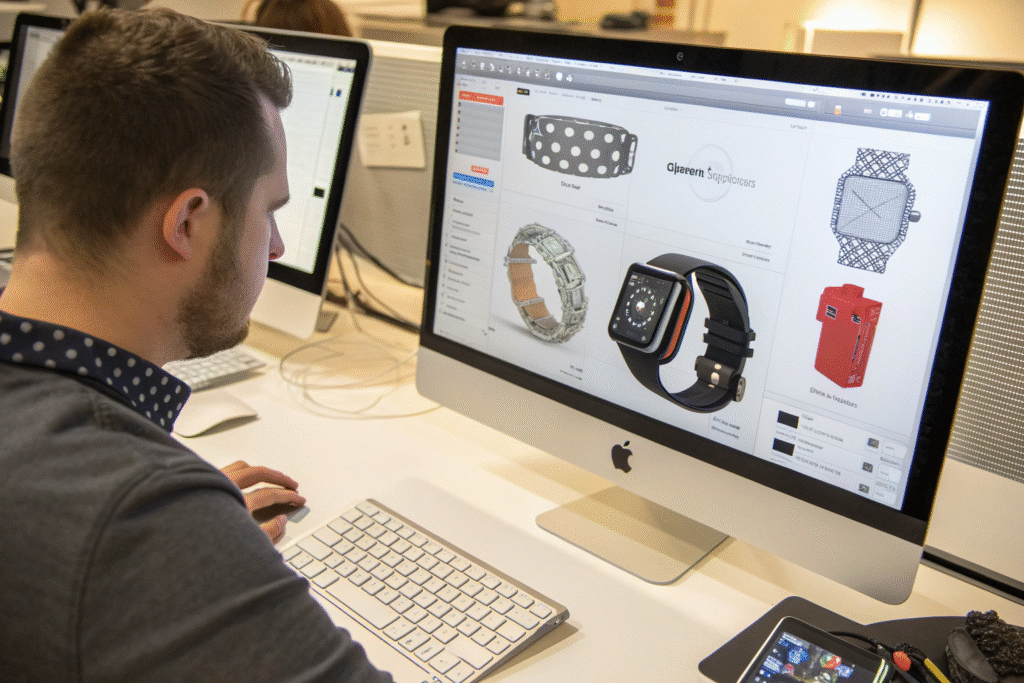
Virtual prototyping eliminates the need for multiple physical samples by enabling designers to create, modify, and evaluate designs in digital environments. Our implementation of 3D accessory design software reduced concept-to-prototype time from 3 weeks to 4 days by enabling real-time design adjustments and immediate visualization of changes. This rapid iteration capability has been particularly valuable for complex accessories like structured handbags and multi-component jewelry where physical prototyping is especially time-consuming.
How do digital material libraries speed up specification?
Virtual material collections provide immediate access to thousands of material options with accurate visual representation and technical specifications. Our digital material library containing 1,400+ verified material swatches has eliminated the 2-3 week delay previously required for physical material sampling and approval. This instant access has accelerated decision-making while ensuring design intent translates accurately to final production through precise digital-to-physical material matching.
How can production digitization compress manufacturing timelines?
The transition from approved design to production launch traditionally involves numerous manual processes, physical sample approvals, and sequential coordination between departments. Digital production tools create seamless workflows that eliminate delays, automate routine tasks, and enable parallel rather than sequential operations.
Integrated digital systems transform manufacturing preparation from a bottleneck to an accelerator.
How does digital pattern making accelerate production readiness?
Automated grading and marker making generates production patterns and optimized cutting layouts in hours rather than days. Our implementation reduced pattern development time by 78% through automated grading based on digital specifications rather than manual pattern manipulation. This accelerated technical development has been particularly valuable for accessories with multiple size variations like belts and adjustable hats where traditional grading consumed significant time.
What role does production planning software play in timeline compression?
Integrated production management synchronizes material procurement, manufacturing scheduling, and capacity allocation based on real-time data. Our digital production system reduced the planning phase from 3 weeks to 5 days by automatically generating production orders, material requirements, and delivery schedules from approved designs. This seamless transition has eliminated the coordination delays that previously occurred between design approval and production launch.
How can supply chain digitalization reduce lead times?
Accessory manufacturing involves complex supply chains with multiple material suppliers, component manufacturers, and production partners. Traditional supply chain management relies on manual communication, delayed information sharing, and reactive problem-solving that extend lead times and create bottlenecks. Digital supply chain tools create transparent, coordinated ecosystems that operate with shared information and predictive capabilities.
Supply chain visibility and coordination represent crucial opportunities for timeline compression.
How do supplier portals enhance material procurement speed?
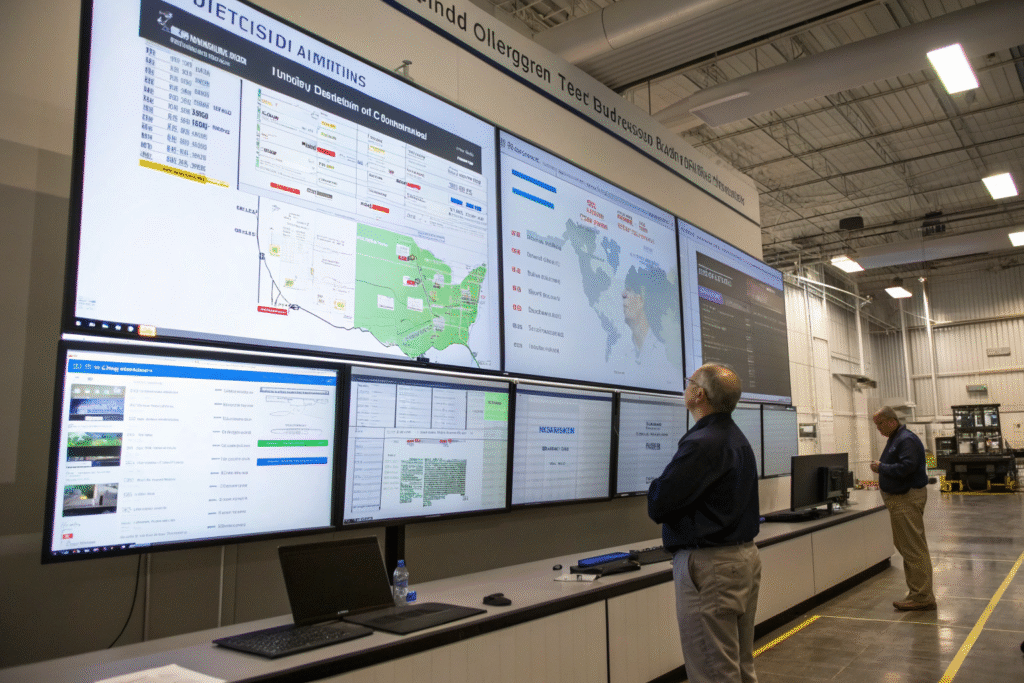
Real-time supplier collaboration enables immediate information sharing, automated ordering, and proactive issue resolution. Our supplier portal implementation reduced material procurement lead time by 42% by providing suppliers with immediate visibility into production schedules and requirements. This collaborative procurement has been particularly valuable for seasonal collections where timing is critical and material availability constraints can derail entire production schedules.
What role does digital inventory management play in acceleration?
Predictive inventory optimization ensures materials are available when needed without maintaining excessive stocks that tie up capital. Our AI-driven inventory system reduced raw material lead times by 35% while actually improving availability through better demand forecasting and supplier coordination. This just-in-time availability has eliminated the production delays previously caused by material shortages while reducing the inventory costs that increased product costs and reduced flexibility.

How can digital tools accelerate retail integration?
The transition from production completion to retail availability traditionally involves manual data entry, physical sample distribution, and sequential marketing preparation that can add weeks to time-to-market. Digital retail integration tools create seamless pathways from factory to consumer, eliminating delays and enabling simultaneous preparation across functions.
Direct digital connections between manufacturing and retail compress the final stages of time-to-market.
How does digital product information management speed retail readiness?
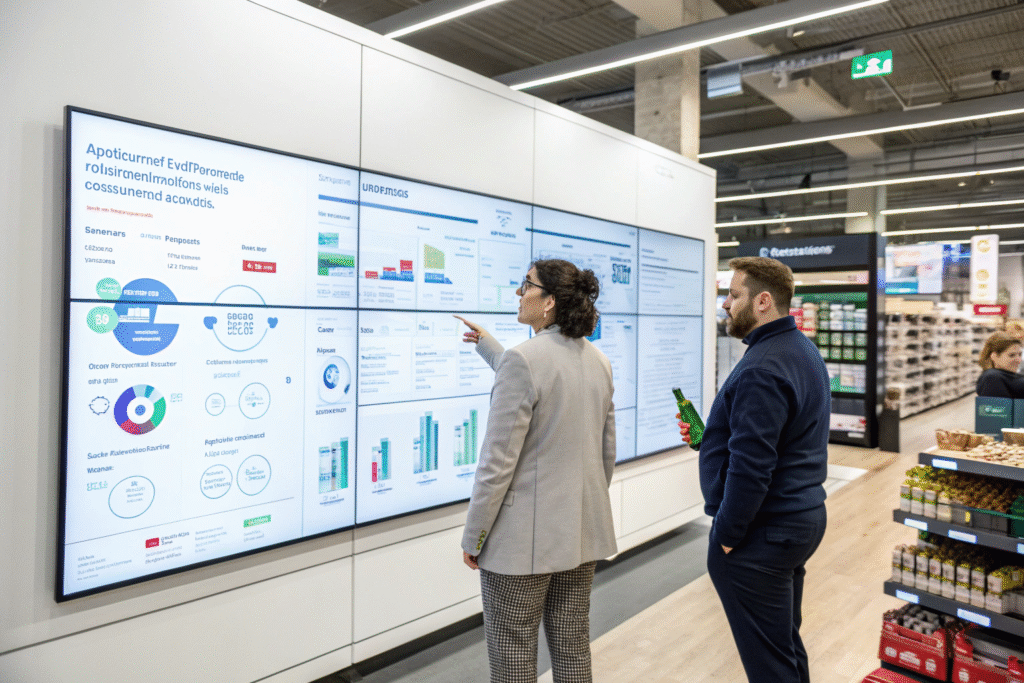
Automated catalog creation generates retail-ready product information, imagery, and specifications directly from production data. Our implementation reduced the time required to prepare new accessories for e-commerce and retail systems from 3 weeks to 3 days by automating data transfer and formatting. This seamless transition has been particularly valuable for coordinating product launches across multiple channels where consistency and timing are crucial.
What role does digital marketing integration play in acceleration?
Simultaneous campaign development enables marketing teams to create campaigns based on digital prototypes rather than waiting for physical samples. Our digital marketing integration allows campaign development to begin 6-8 weeks earlier by providing high-quality digital imagery and product information during the design phase. This parallel preparation has significantly compressed the overall timeline from concept to consumer awareness while improving campaign quality through longer preparation time.
How can data analytics predict and accelerate decision-making?
Traditional accessory development relies on sequential decisions based on limited information, with each decision point potentially adding days or weeks to the timeline. Digital analytics tools provide comprehensive data that enables faster, more confident decisions while predicting outcomes before commitment to physical execution.
Data-driven decision-making transforms development from a series of gambles to a calculated process.
How does predictive trend analysis compress research time?
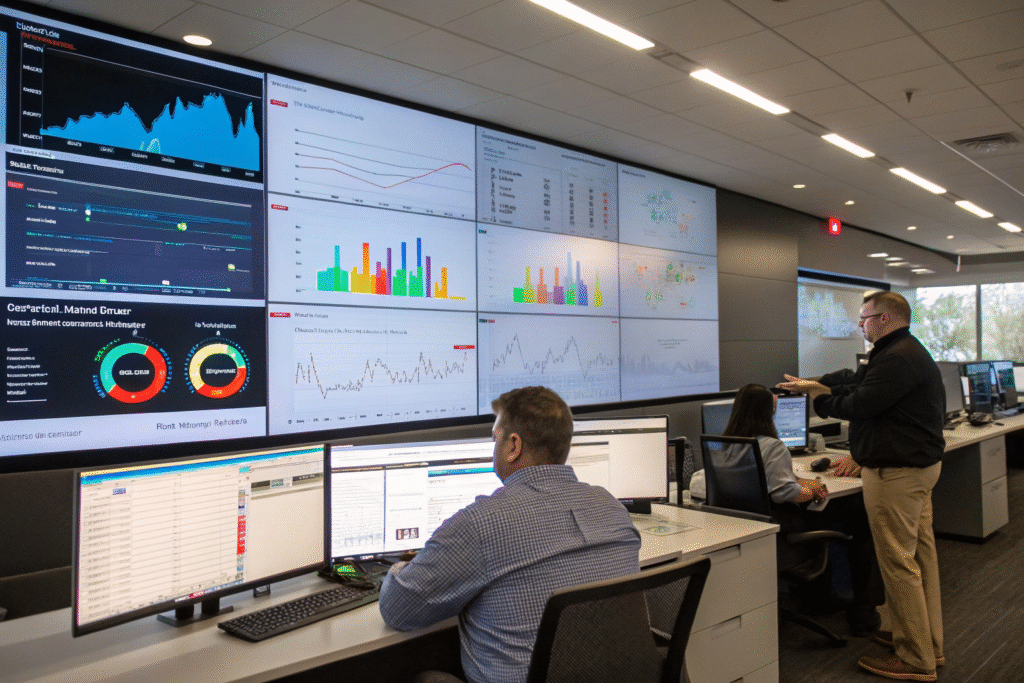
AI-powered trend forecasting identifies emerging styles, colors, and materials much earlier than traditional market research methods. Our implementation has reduced trend research time from 4 weeks to 5 days while improving accuracy by analyzing social media, search data, and sales patterns across multiple markets. This early intelligence enables designers to create relevant products faster while reducing the risk of investing in declining trends.
What role does real-time feedback play in accelerating improvements?
Immediate performance data from early sales, customer feedback, and production metrics enables rapid refinement of designs and processes. Our real-time analytics system has reduced the feedback cycle from 2-3 months to 2-3 weeks by providing immediate insights into product performance and manufacturing efficiency. This accelerated learning enables continuous improvement within single seasons rather than waiting for subsequent collections.
Conclusion
Digital tools comprehensively accelerate accessory time-to-market by transforming sequential, physical-dependent processes into parallel, digitally-enabled workflows. From concept development through production to retail integration, each stage offers significant opportunities for timeline compression through appropriate digital implementation.
The most successful manufacturers recognize that time-to-market acceleration requires integrated digital transformation across all functions rather than isolated tool implementation. As digital technologies continue to advance and become more accessible, their role in competitive timing will likely increase, making digital adoption increasingly essential for market relevance.
If you’re interested in implementing digital tools to accelerate your accessory time-to-market or want to partner with a manufacturer that has advanced digital capabilities, we invite you to contact our Business Director, Elaine. She can discuss our digital implementation and how it delivers significantly faster time-to-market. Reach her at: elaine@fumaoclothing.com.