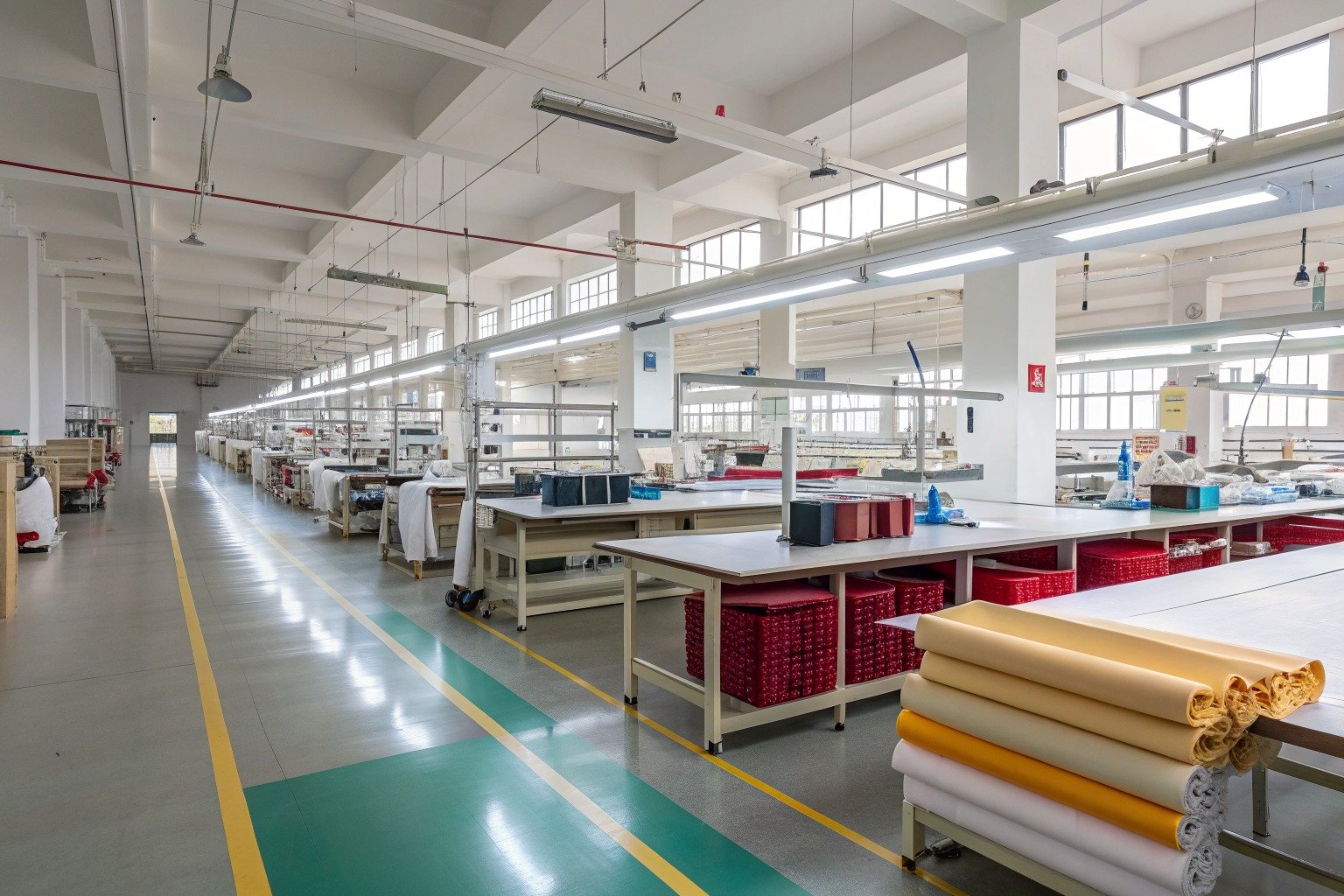
The fashion hat industry has traditionally operated on seasonal collections and standardized sizing, leaving little room for individual expression or perfect fit. Mass production efficiencies came at the cost of personalization, forcing customers to choose from limited options that may not suit their unique style, head shape, or specific requirements. This one-size-fits-all approach often results in compromised fit, limited style options, and inventory challenges for retailers.
Digitalization enables mass customization of fashion hats through 3D head scanning for perfect fit, virtual design interfaces for personalization, automated manufacturing systems for efficient small-batch production, and integrated platforms that connect customer preferences directly to manufacturing processes.This technological ecosystem transforms hat shopping from selecting among pre-made options to co-creating personalized headwear that reflects individual style and ensures optimal comfort.
Let’s explore the specific digital technologies and strategies that make mass customization economically viable and operationally efficient in fashion hat manufacturing.
How do digital design platforms enable customer co-creation?
Traditional hat design occurs behind the scenes, with customers only seeing finished products. This separation between creation and consumption limits personalization to minor adjustments of predetermined designs. Digital platforms dismantle this barrier by making professional design tools accessible to consumers through intuitive interfaces.
Advanced software, real-time visualization, and guided customization workflows transform customers from passive consumers into active co-creators of their ideal headwear.
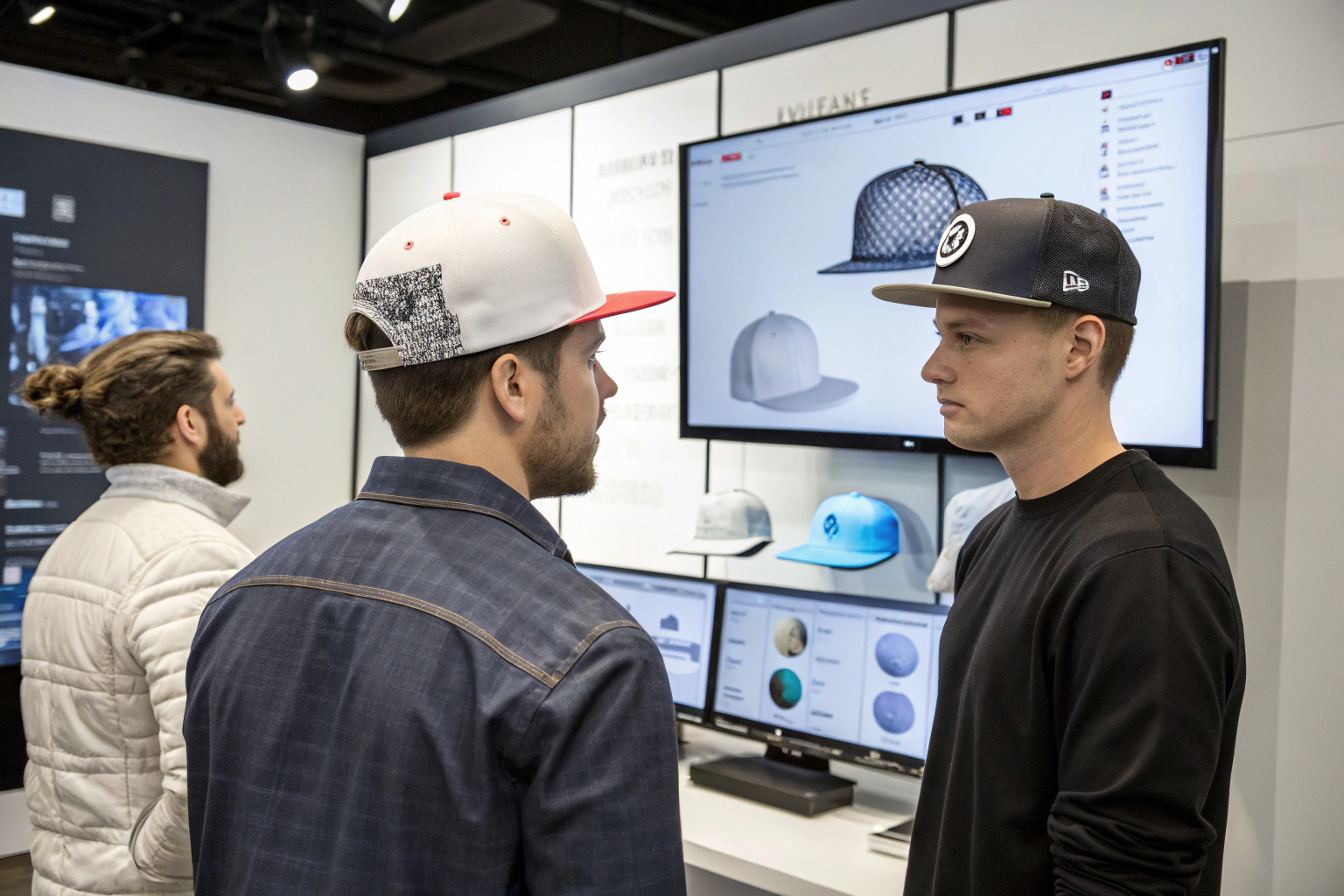
What makes 3D configurators effective for hat customization?
Real-time 3D visualization allows customers to see their custom hat designs from all angles as they make selections, with accurate material rendering and lighting that shows how the finished product will appear. Our hat configurator includes over 50 base styles, 200+ material options, and countless color combinations that customers can mix and match with immediate visual feedback. This immersive customization has increased conversion rates by 42% and reduced returns by 67% because customers better understand what they’re ordering before purchase.
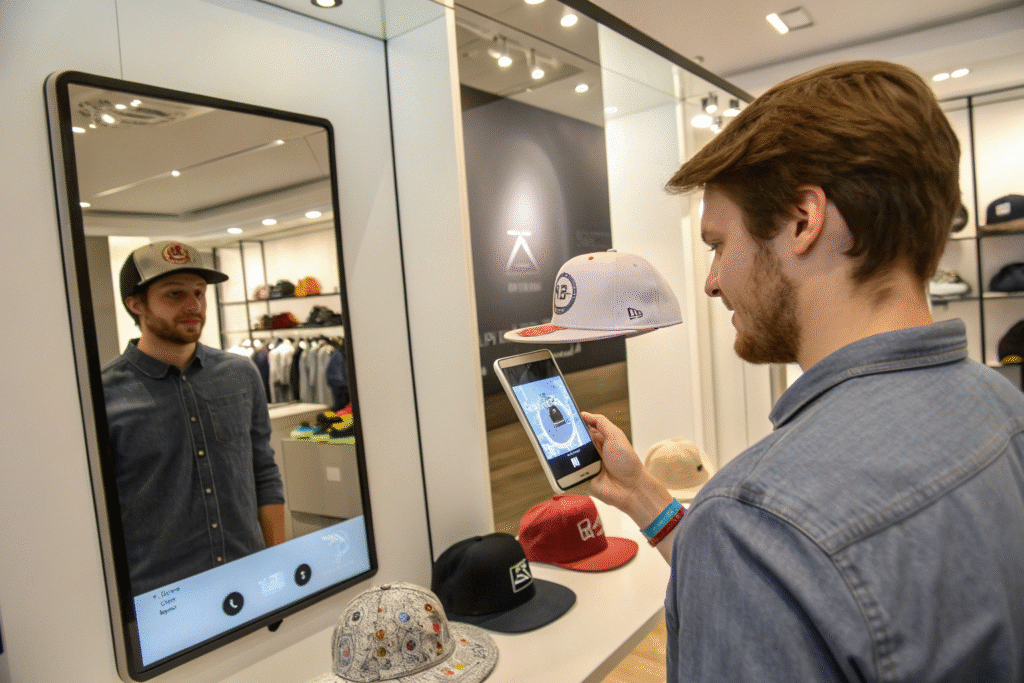
How does augmented reality enhance the customization experience?
AR try-on technology enables customers to see how custom hat designs look on their actual head using smartphone cameras or in-store mirrors. Our AR implementation includes realistic shadow casting, material texture rendering, and accurate scale perception that helps customers evaluate proportions and styling. This virtual try-before-you-buy experience has been particularly valuable for bold fashion statements where customers need confidence that unconventional designs will suit them personally.
How does digital manufacturing enable efficient custom production?
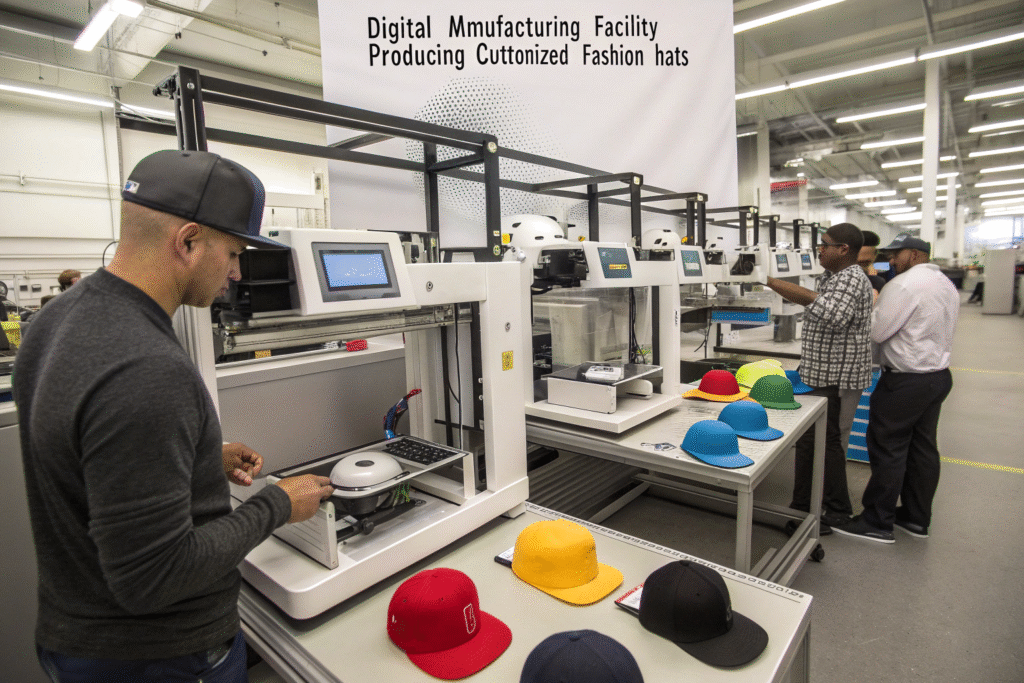
Traditional hat manufacturing requires significant setup time and minimum order quantities that make customization economically challenging. Specialized equipment, skilled artisans, and manual processes typically favor large production runs of identical items rather than unique pieces tailored to individual customers.
Digital manufacturing technologies transform this economic model by reducing setup requirements and automating the translation of digital designs into physical products.
What role does 3D printing play in custom hat production?
Additive manufacturing creates unique hat components, intricate decorations, and custom-fit headbands without the tooling costs associated with traditional methods. Our use of selective laser sintering for custom buckles, clasps, and decorative elements allows for infinite design variations at consistent per-unit costs. This tool-free production has been particularly valuable for limited-edition collaborations and personalized luxury items where uniqueness justifies premium pricing.
How does automated cutting optimize material usage for custom orders?
Computer-controlled cutting systems translate digital patterns directly into physical components with minimal material waste, regardless of how frequently designs change. Our automated cutting room can process 25 different custom hat designs in a single production run, with the system optimizing material nesting across all orders to maximize fabric utilization. This efficient small-batch production has reduced material waste by 38% compared to manual cutting methods while handling the variability inherent in customized production.
How do body scanning and fit technologies ensure perfect customization?
Ill-fitting hats represent one of the most common reasons for returns and customer dissatisfaction in the headwear industry. Traditional sizing systems with simple circumference measurements fail to account for variations in head shape, making consistent fit challenging even within standardized size categories.
Digital scanning and advanced algorithms create precise head models that enable truly personalized fit beyond simple size adjustments.
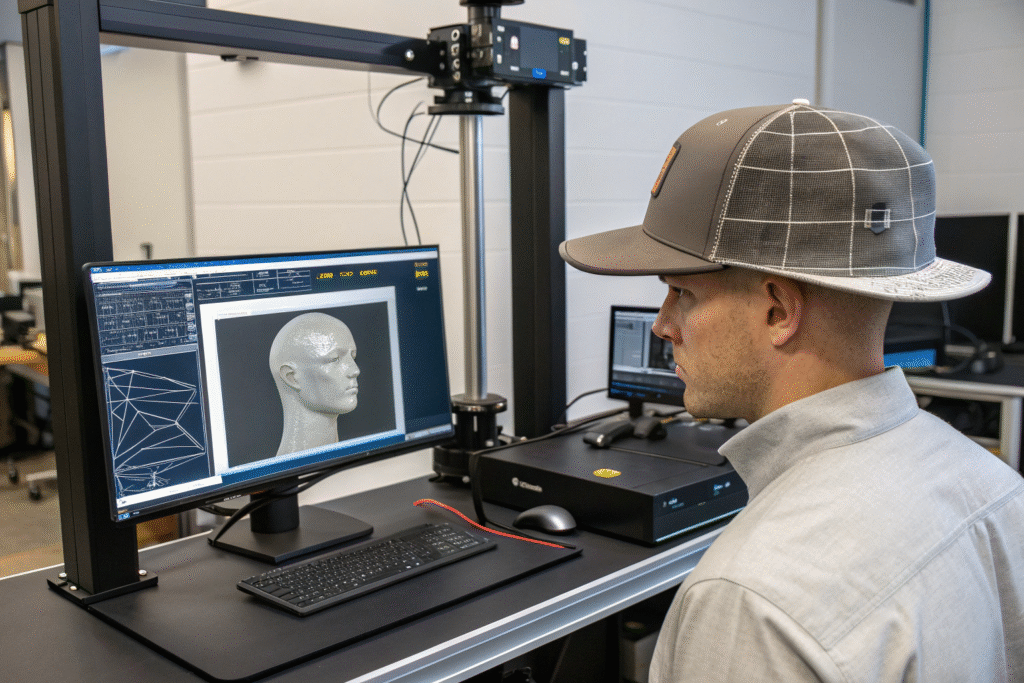
How does 3D head scanning improve fit accuracy?
Structured light scanning captures precise head geometry in seconds, measuring over 200 data points to create a complete digital model of each customer’s unique head shape. Our scanning stations in retail locations and mobile app solutions have collected data from over 15,000 customers, creating a database that informs both custom manufacturing and improved standard sizing. This anthropometric data has revealed that traditional hat sizing fails to accommodate 34% of head shapes adequately, explaining the high return rates in conventional hat retail.
How do algorithms translate scan data into custom patterns?
Fit optimization algorithms analyze head scan data to generate personalized hat patterns that distribute tension evenly and accommodate unique proportions. Our system has identified seven distinct head shape categories beyond simple oval/round classifications, with specific pattern adjustments for each type. This shape-based customization has eliminated the pressure points and awkward gaps that commonly plague off-the-rack hats, particularly for customers with pronounced crown shapes or unusual proportions.
How do integrated platforms manage the customization workflow?
Mass customization requires seamless coordination between customer interfaces, design systems, manufacturing operations, and logistics—a complexity that often overwhelms traditional business structures. Disconnected systems create information gaps, communication delays, and errors that undermine the customization promise.
Integrated digital platforms create a continuous flow from customer desire to delivered product, maintaining customization integrity throughout the journey.
What makes product lifecycle management (PLM) systems essential for customization?
Unified data environments maintain a single source of truth for each custom order, synchronizing information across design, manufacturing, and customer service functions. Our PLM implementation has reduced order processing errors by 82% by eliminating the manual data transfer that previously caused misunderstandings between customer specifications and manufacturing instructions. This data integrity is particularly crucial for customization where each order has unique parameters that standard systems aren’t designed to handle.
How do customer relationship management (CRM) systems enhance personalization?
Unified customer profiles track preferences, purchase history, and customization patterns to inform both marketing and product development. Our CRM system identifies that customers who customize fedora hats often later explore custom sun hats, enabling targeted recommendations that have increased customer lifetime value by 27%. This preference intelligence also helps our design team identify which customization options to expand based on actual customer behavior rather than assumptions.

Conclusion
Digitalization transforms mass customization of fashion hats from theoretical concept to practical reality by connecting customer creativity with manufacturing capability through integrated technological ecosystems. From 3D scanning and virtual design to automated manufacturing and seamless order management, digital technologies eliminate the traditional trade-offs between personalization and efficiency that have long limited customization to luxury price points.
As these technologies continue to mature and become more accessible, mass customization will evolve from competitive differentiator to customer expectation in the headwear industry—enabling brands to build deeper customer relationships while operating more responsive and sustainable businesses.
If you’re interested in implementing digital customization for your hat collections or want to partner with a manufacturer that specializes in personalized production, we invite you to contact our Business Director, Elaine. She can discuss our digital capabilities and how we deliver unique hats through technologically advanced customization processes. Reach her at: elaine@fumaoclothing.com.