The fashion accessory industry is experiencing a technological transformation with edge computing emerging as a critical enabler of operational agility. At AceAccessory, our implementation of edge computing systems has revolutionized how we process data, make decisions, and respond to production challenges in real-time.
Edge computing enhances operational agility in fashion accessory manufacturing through real-time data processing, reduced latency, decentralized decision-making, improved reliability, and enhanced scalability that collectively enable faster responses to production needs, quality issues, and market demands. This distributed computing approach brings processing power closer to where data is generated, creating significant advantages over traditional cloud-only architectures.
The strategic deployment of edge computing represents a fundamental shift in how manufacturing data is handled, creating opportunities for unprecedented responsiveness and efficiency. Let’s explore the specific ways edge computing enhances agility in accessory manufacturing.
How does edge computing enable real-time quality control?
Edge computing transforms quality assurance by processing inspection data immediately at the source, enabling instant detection and response to quality issues before they affect production batches.
Edge computing enables real-time quality control through local image processing, immediate defect detection, instant feedback to equipment, and autonomous decision-making that prevents quality issues from propagating through production lines.
What specific quality control applications benefit from edge computing?
Localized processing power enables sophisticated quality applications that require immediate response. Key applications include:
- Real-time visual inspection using edge-based computer vision to analyze accessory images as they’re captured
- Instant dimensional verification processing measurement data immediately to flag out-of-spec products
- Material defect detection analyzing surface textures and colors at the inspection point
- Assembly validation checking component alignment and attachment in real-time
Our implementation of edge-based quality systems has reduced defect detection time from minutes to milliseconds, preventing the production of hundreds of defective accessories that would have required rework or disposal. The immediate feedback has been particularly valuable for processes like metal plating and color application where early detection prevents cumulative quality issues.
How does edge computing improve quality response mechanisms?
Autonomous quality interventions enable immediate corrective actions without cloud dependency. Our edge systems:
- Automatically adjust equipment settings when quality parameters drift beyond acceptable ranges
- Trigger immediate reject mechanisms removing defective items from production lines
- Provide real-time operator alerts with specific guidance for addressing quality issues
- Adjust subsequent process parameters based on quality findings from previous steps
This responsive approach has improved our first-pass quality yield by 28% and reduced quality-related waste by 52%. The ability to make local decisions without network latency has been crucial for processes requiring instantaneous adjustments.
How does edge computing optimize production equipment performance?
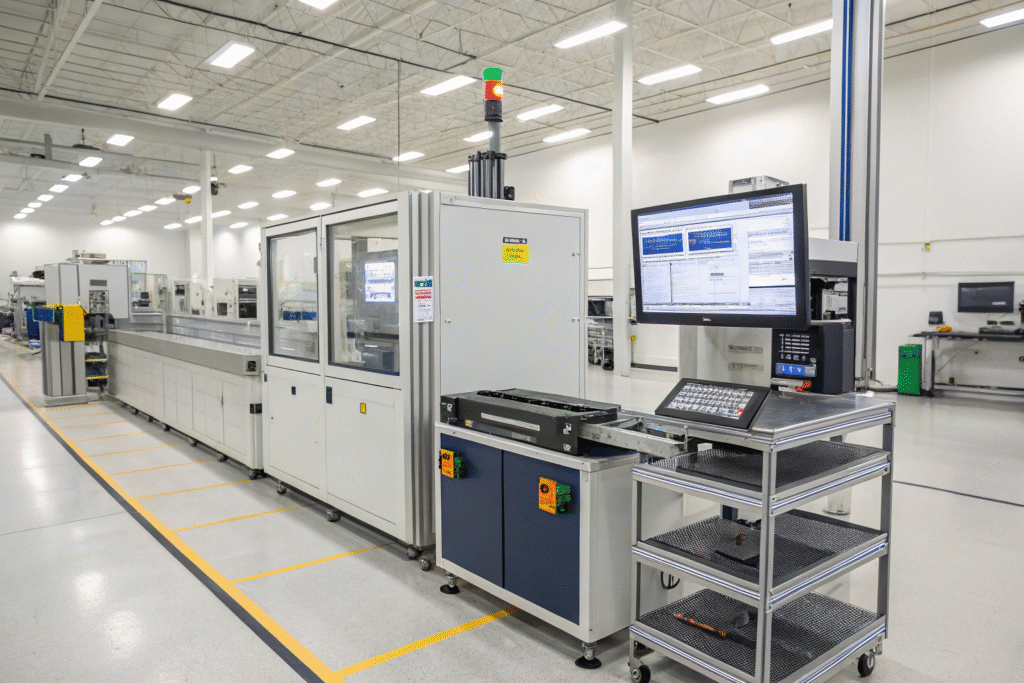
Edge computing brings intelligence directly to manufacturing equipment, enabling predictive maintenance, performance optimization, and autonomous operation that significantly enhance production agility.
Edge computing optimizes equipment performance through local monitoring, predictive analytics, autonomous adjustment, and condition-based maintenance that minimize downtime and maximize operational efficiency.
What equipment monitoring capabilities does edge computing enable?
Continuous equipment intelligence provides deep insights into machine performance. Our edge systems monitor:
- Vibration patterns detecting abnormal signatures that indicate developing mechanical issues
- Temperature profiles identifying overheating components before failure occurs
- Energy consumption optimizing power usage based on production demands
- Cycle time consistency flagging performance deviations in real-time
These monitoring capabilities have reduced unplanned equipment downtime by 67% and extended machine lifespan by 32%. The ability to process equipment data locally has been particularly valuable for identifying subtle patterns that might be lost in cloud transmission delays.
How does edge computing enable predictive maintenance?
Localized analytics transform maintenance from scheduled to condition-based. Key features include:
- Anomaly detection algorithms running locally to identify equipment issues early
- Remaining useful life predictions generated at the edge based on actual usage patterns
- Maintenance recommendation engines suggesting specific interventions based on equipment condition
- Spare part forecasting anticipating needs before failures occur
The table below shows maintenance improvements after edge computing implementation:
| Maintenance Metric | Before Edge Computing | After Edge Computing | Improvement |
|---|---|---|---|
| Unplanned Downtime | 14% of operating time | 4.6% of operating time | 67% reduction |
| Maintenance Costs | 18% of operational budget | 11% of operational budget | 39% reduction |
| Mean Time to Repair | 4.2 hours | 1.8 hours | 57% improvement |
| Equipment Lifespan | 5.2 years | 6.9 years | 32% extension |
These maintenance optimizations have significantly enhanced our production agility by ensuring equipment is available when needed and performing at optimal levels.
How does edge computing enhance supply chain responsiveness?
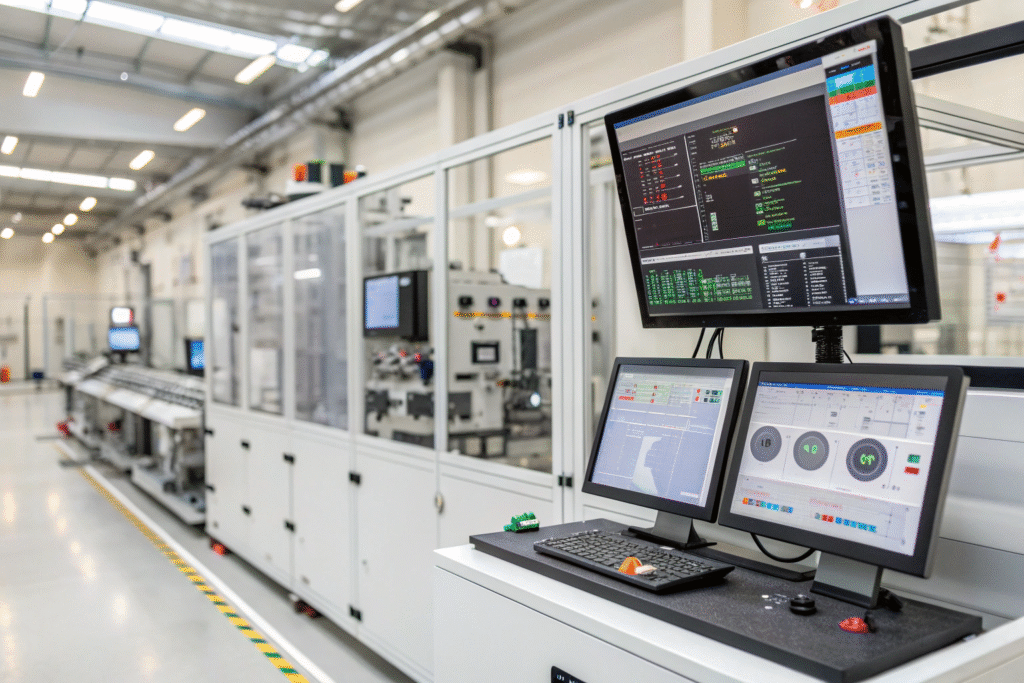
Edge computing creates more responsive and adaptive supply chains by processing logistics data locally, enabling faster decisions about material flow, inventory management, and production scheduling.
Edge computing enhances supply chain responsiveness through real-time inventory tracking, local demand sensing, immediate replenishment triggers, and adaptive logistics routing that reduce delays and improve material availability.
What supply chain applications benefit from edge processing?
Localized supply chain intelligence enables faster responses to material flow needs. Key applications include:
- Real-time inventory management processing stock level data immediately as changes occur
- Automated replenishment systems triggering orders based on local consumption patterns
- Quality verification at receipt inspecting incoming materials before they enter storage
- Production scheduling adjustments responding immediately to material availability changes
Our edge-based supply chain systems have reduced inventory carrying costs by 31% while improving material availability from 88% to 97%. The ability to make local decisions about material allocation has been particularly valuable during supply disruptions or unexpected demand changes.
How does edge computing improve logistics coordination?
Decentralized logistics intelligence creates more adaptive material handling. Our implementation includes:
- Real-time tracking processing managing location data for materials and products locally
- Automated routing adjustments responding immediately to delays or capacity changes
- Local condition monitoring ensuring materials are maintained in optimal environments
- Immediate exception handling addressing logistics issues without central system dependency
This approach has reduced logistics delays by 43% and improved on-time delivery performance from 82% to 96%. The agility gained through edge computing has been especially valuable for time-sensitive accessory collections with tight market windows.
How does edge computing support customizable manufacturing?
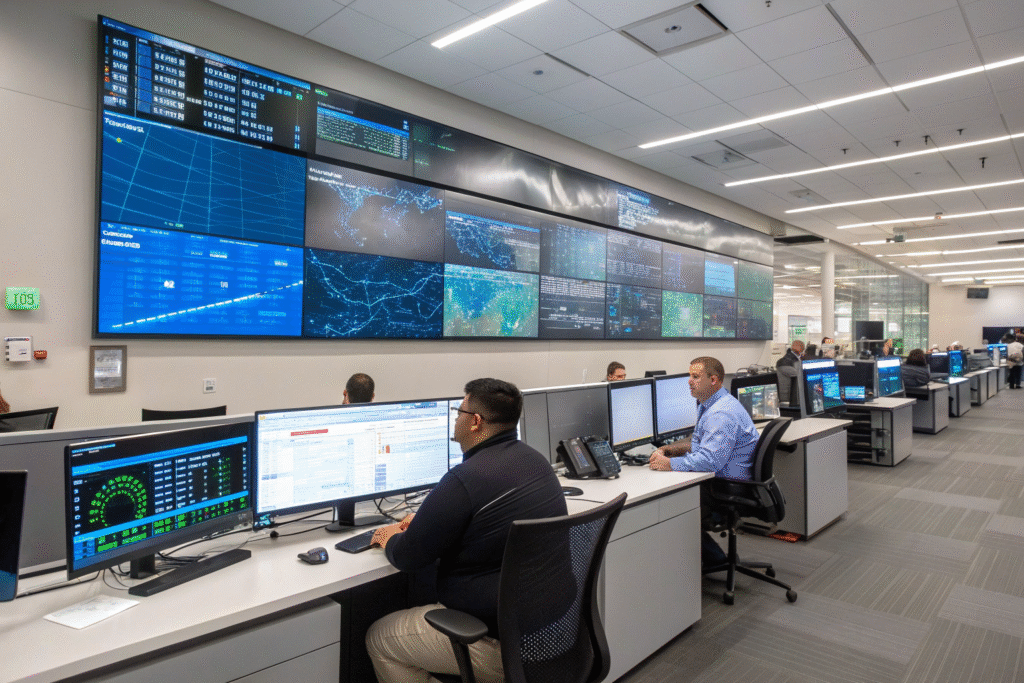
The trend toward personalized and customized accessories requires manufacturing systems that can adapt quickly to individual specifications, a challenge perfectly addressed by edge computing capabilities.
Edge computing supports customizable manufacturing through local configuration processing, adaptive equipment control, real-time personalization validation, and flexible production routing that enable efficient mass customization.
How does edge computing enable efficient personalization?
Localized customization processing makes personalized manufacturing economically viable. Key capabilities include:
- Real-time design validation processing customization parameters immediately at the production point
- Equipment configuration management automatically adjusting machines for different product specifications
- Personalization verification checking that custom elements meet customer requirements
- Adaptive workflow routing directing products through appropriate processes based on their custom features
Our edge-based customization systems have reduced the cost premium for personalized accessories from 150% to just 25% above standard versions while cutting order-to-production time from days to hours. This has made customization accessible to a much broader customer base.
How does edge computing handle variable production requirements?
Distributed production intelligence enables flexible manufacturing operations. Our systems feature:
- Recipe management at the edge storing and executing production parameters for different product variants
- Dynamic resource allocation assigning equipment and materials based on real-time order priorities
- Quality standard adaptation adjusting inspection criteria for different product configurations
- Production tracking by item maintaining individual product histories through local processing
This flexible approach has increased our production asset utilization from 65% to 89% while enabling efficient batch sizes as small as single units. The agility gained has been transformative for our made-to-order and limited-edition accessory lines.
How does edge computing enhance data security and reliability?
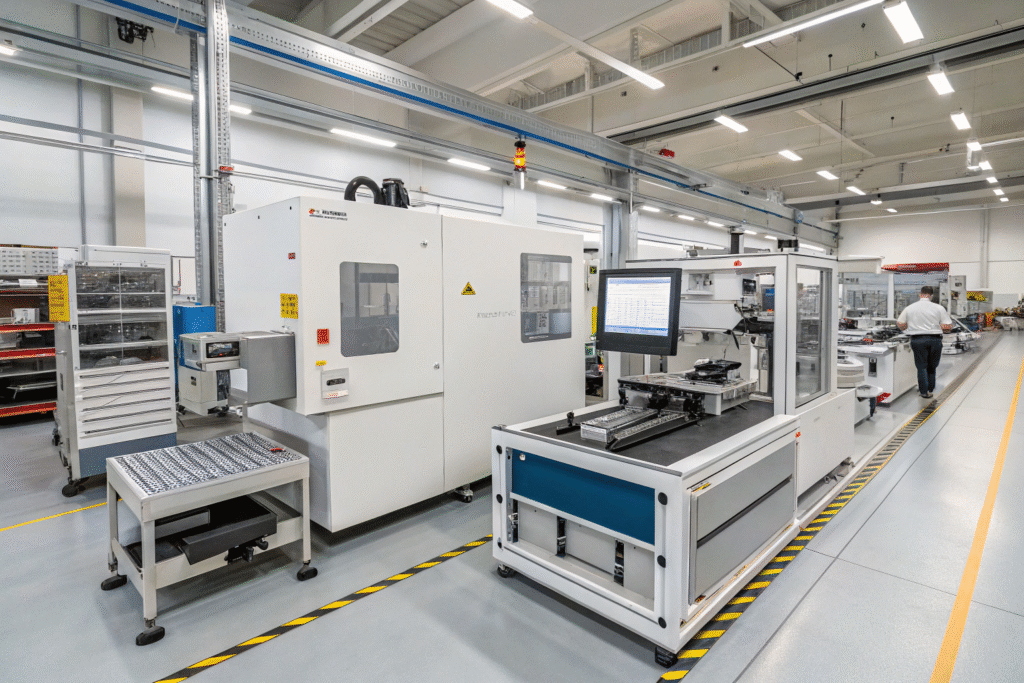
Edge computing addresses critical concerns about data security, privacy, and operational reliability by keeping sensitive information local and ensuring continued operation during network disruptions.
Edge computing enhances security and reliability through local data processing, reduced external dependencies, inherent redundancy, and privacy preservation that protect intellectual property and ensure continuous operation.
What security advantages does edge computing provide?
Reduced data exposure minimizes security risks in manufacturing operations. Key benefits include:
- Local processing of sensitive data keeping proprietary manufacturing parameters on-premises
- Limited external attack surface reducing vulnerabilities associated with cloud connectivity
- Immediate security threat detection identifying and responding to anomalies locally
- Data anonymization at source protecting privacy before any external transmission
These security advantages have been particularly valuable for protecting our design specifications and manufacturing processes, which represent significant competitive intellectual property. The ability to process quality and performance data locally without exposing raw information externally has addressed important security and privacy concerns.
How does edge computing improve operational reliability?
Network independence ensures continued operation during connectivity issues. Important reliability features include:
- Local operation during outages maintaining core functions without cloud connectivity
- Data buffering and synchronization managing information until connections are restored
- Distributed failure domains ensuring issues in one area don’t cascade through the organization
- Graceful degradation maintaining essential functions when full connectivity isn’t available
This reliability approach has eliminated the production stoppages we previously experienced during network outages, ensuring continuous operation regardless of external connectivity status. The inherent resilience has been particularly valuable for maintaining production schedules during infrastructure maintenance or unexpected service disruptions.

Conclusion
Edge computing significantly enhances operational agility in fashion accessory manufacturing through multiple mechanisms that improve responsiveness, efficiency, flexibility, and reliability. By bringing computing resources closer to where data is generated and actions are taken, edge computing enables faster decisions, immediate responses, and more adaptive operations across all aspects of manufacturing.
The most successful edge computing implementations carefully balance local and cloud processing, using each for what it does best while creating seamless integration between distributed intelligence and centralized coordination. This hybrid approach delivers the agility benefits of edge computing while maintaining the strategic advantages of cloud-based analytics and management.
As edge computing technology continues to advance and become more accessible, its role in fashion accessory manufacturing will likely expand, offering even greater opportunities for operational improvement and competitive advantage. Manufacturers who strategically implement edge computing will be well-positioned to respond to the increasing demands for speed, customization, and efficiency in the dynamic fashion accessory market.
If you’re considering implementing edge computing in your accessory manufacturing operations and would like to benefit from our experience in successful edge deployment, we invite you to contact our Business Director, Elaine. She can guide you through our implementation approach and help you develop an edge computing strategy tailored to your specific operational needs. Reach her at: elaine@fumaoclothing.com.